
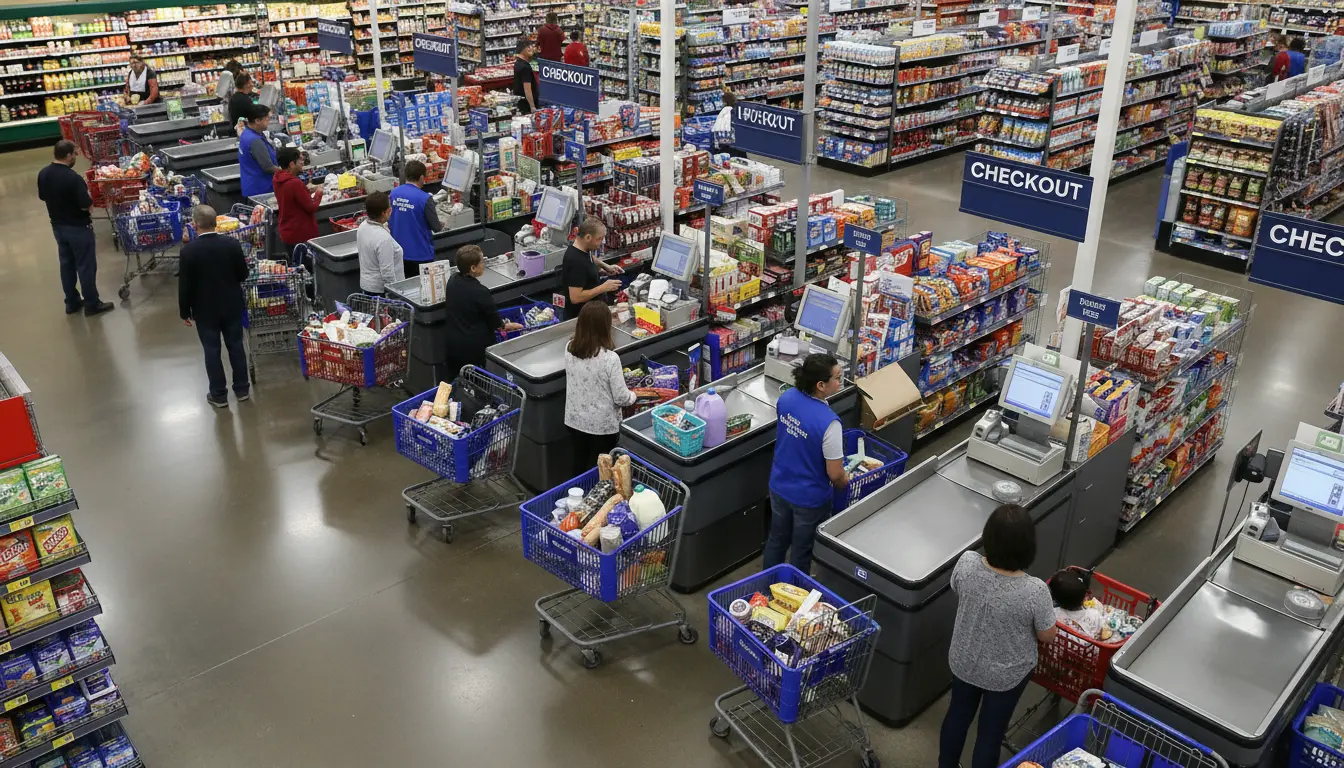
The federal funding standoff has raised the risk of SNAP benefit delays for millions of households. This article explains what SNAP benefit delays mean, who may be affected, and practical steps recipients can take now.
What are SNAP Benefit Delays?
SNAP benefit delays happen when monthly Electronic Benefit Transfer payments are postponed. Delays can be caused by funding gaps, administrative disruptions, or technical issues at the state or federal level.

When payments are delayed, households that rely on SNAP for groceries may face immediate hardship. Understanding the cause and timelines helps recipients plan short-term actions.
Why SNAP Benefit Delays are happening
The current risk stems from a federal funding standoff in Congress. If funding for USDA or state operations is interrupted, SNAP allocation and system updates can slow or pause.
Other causes include state-level budget shortfalls, system outages, or delays in transferring funds to Electronic Benefit Transfer processors.
Who will be affected by SNAP Benefit Delays

Estimates indicate up to 42 million Americans could be affected if a nationwide delay occurs. That includes low-income individuals, families with children, seniors, and people with disabilities who depend on SNAP as their primary source of food assistance.
Impacts vary by state because distribution schedules and reserve funds differ. Some states can cover short gaps; others may not.
What recipients need to know about SNAP Benefit Delays
If your SNAP payment is delayed, you may receive notice from your state SNAP agency. Not all delays will be announced immediately, so check your EBT account and local agency messages regularly.

Rules about emergency replacements or crisis allotments differ by state. Some states can issue emergency benefits when a delay causes immediate need; others require proof of hardship.
- Check your EBT balance online or with your state app at least weekly.
- Watch official state SNAP agency websites and social media for updates.
- Sign up for text or email alerts if your state offers them.
Immediate steps to take if you expect a SNAP Benefit Delay
- Assess your current food and cash on hand and list priority needs.
- Contact your local food bank or pantry to learn about emergency distributions.
- Ask your state SNAP office about emergency replacement benefits and how to apply.
- Talk to grocery stores or lenders about short-term food credit or community programs.
How states and federal agencies respond to SNAP Benefit Delays
Some states maintain contingency funds to avoid service interruptions. Others coordinate with community partners to distribute emergency food or vouchers during short gaps.
The USDA can approve temporary flexibilities or emergency allotments during recognized crises. However, these actions require official approvals and may not be immediate.
Expect official guidance to come from state human services departments first, followed by USDA announcements if the issue is national.
Some states have issued emergency SNAP allotments during past funding gaps, allowing eligible households to receive extra benefits for one or two months. Eligibility and timing vary by state.
Real-world example
Maria, a single parent in Ohio, relies on SNAP for her two children. When a short state processing delay postponed benefits, she called the local food pantry and received a one-week supply of groceries. The county also helped her submit a request for emergency replacement benefits, which arrived within three days.
This case shows proactive steps: contacting community resources and the state office can reduce immediate hardship while waiting for official payments.
Practical tips to prepare for SNAP Benefit Delays
Preparing in advance reduces stress if a delay happens. Small actions now can stretch resources during an interruption.
- Create a short-term food plan with inexpensive, nutritious staples like beans, rice, pasta, canned vegetables, and peanut butter.
- Keep a modest emergency grocery fund if possible, even a small amount helps bridge a week-long delay.
- Compile contact information: state SNAP office, local food banks, community action agencies, and utility or housing assistance hotlines.
- Learn whether your state offers smartphone alerts, automatic notifications, or voice messages about SNAP status.
If you have medical or mobility needs, let your local agency know so they can prioritize assistance if emergency programs are activated.
Where to get official updates about SNAP Benefit Delays
For the most accurate information, check your state human services or SNAP agency website. The USDA Food and Nutrition Service website will post national-level announcements if broader actions occur.
Other reliable sources include local government social services pages, 2-1-1 hotlines, and established community nonprofits. Avoid unverified social posts that may spread rumors.
Keep records of any outreach you make, including dates and names of staff you spoke with, in case you need to follow up.
SNAP benefit delays can create real hardship, but knowing what to expect and taking basic preparedness steps helps protect your household. Monitor official channels, connect with community resources, and reach out to your state SNAP office promptly if a delay affects you.