
Small space vegetable gardening is a practical way to grow fresh food when you have only a balcony, patio, or tiny yard. This guide explains clear steps and choices to help you start, maintain, and succeed with container-grown vegetables.
Why small space vegetable gardening works
Containers let you control soil, drainage, and location. They reduce weeds and pests and make gardening possible where ground soil is poor or nonexistent.

With careful plant selection and routine care, even a few pots can produce a steady supply of vegetables and herbs.
Getting started with small space vegetable gardening
Begin by assessing light, available area, and how much time you can commit. Most vegetables need 4–8 hours of direct sunlight, so choose spots that meet that need.
Measure usable space and pick container sizes that fit while giving roots room to grow.
Choosing containers for small space vegetable gardening
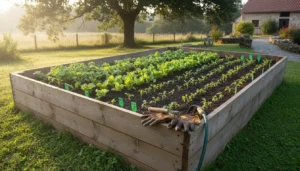
Select containers based on plant size, weight limits of balconies, and drainage needs. Options include plastic pots, fabric grow bags, wooden boxes, and self-watering containers.
- Leafy greens: 6–8 inch depth containers.
- Tomatoes and peppers: 5–10 gallon containers.
- Root crops: Deep pots (8–12 inches) for carrots and beets.
Soil and nutrients
Use a high-quality potting mix labeled for containers—this holds moisture and drains well. Avoid garden soil, which compacts in containers.
Fertilize regularly with a balanced or vegetable fertilizer. Slow-release granules at planting and liquid feed every 2–4 weeks work well.
Watering and drainage
Containers dry faster than in-ground beds. Check soil moisture with your finger or a moisture meter. Water when the top inch feels dry.
Ensure pots have drainage holes and elevate them slightly to avoid standing water. Consider self-watering containers if you travel often.
Plant choices for small space vegetable gardening
Choose plants that fit the container and your light conditions. Here are reliable picks for small spaces:
- Leafy greens: Lettuce, spinach, arugula—fast and compact.
- Herbs: Basil, parsley, chives—great in small pots.
- Compact fruiting plants: Patio tomatoes, dwarf peppers, and bush beans.
- Root vegetables: Radishes and baby carrots—good for deep but narrow pots.
Succession planting and vertical options
Stagger plantings every 2–3 weeks for continuous harvest. Use vertical supports, trellises, or hanging planters to maximize space.
Vining crops like cucumbers or pole beans do well when trained upward, freeing pot space for other plants.
Layout, light management, and seasonal planning
Map container placement to match light needs—sun-loving plants where light is strongest, shade-tolerant ones in the dappled areas. Rotate pots occasionally to keep growth even.
Plan for season extension: use cloches or move containers to sunnier spots in late seasons, and choose cold-tolerant varieties to stretch harvest into fall.
Small space vegetable gardening case study
Maria, a city renter with a 6 sq ft balcony, used three 12-inch pots and two 5-gallon buckets. She planted cherry tomatoes, basil, leaf lettuce, and radishes.
By using a quality potting mix, regular liquid feeding, and vertical trellising for tomatoes, Maria harvested salad greens weekly and a steady supply of cherry tomatoes all summer. Her total investment was under $100 and produced the equivalent of several grocery trips saved.
Common mistakes and troubleshooting for small space vegetable gardening
Typical problems include overwatering, poor drainage, and choosing plants that outgrow their pots. Watch for yellowing leaves (often overwatering or nutrient issues) and slow growth (check light and fertilizer).
If pests appear, use physical controls like sticky traps or hand-picking, and choose organic sprays as a last resort to protect beneficial insects.
Quick checklist for your first season of small space vegetable gardening
- Assess light and measure space.
- Choose containers with drainage and the appropriate size.
- Use quality container potting mix and add slow-release fertilizer.
- Pick compact or dwarf varieties suited for containers.
- Water consistently and monitor soil moisture.
- Support vining plants and rotate pots weekly if possible.
Small space vegetable gardening is about smart choices and steady care. Start small, learn what grows well in your spot, and expand as you gain confidence. With proper containers, soil, and routine maintenance, you can enjoy fresh vegetables even in the smallest urban spaces.