
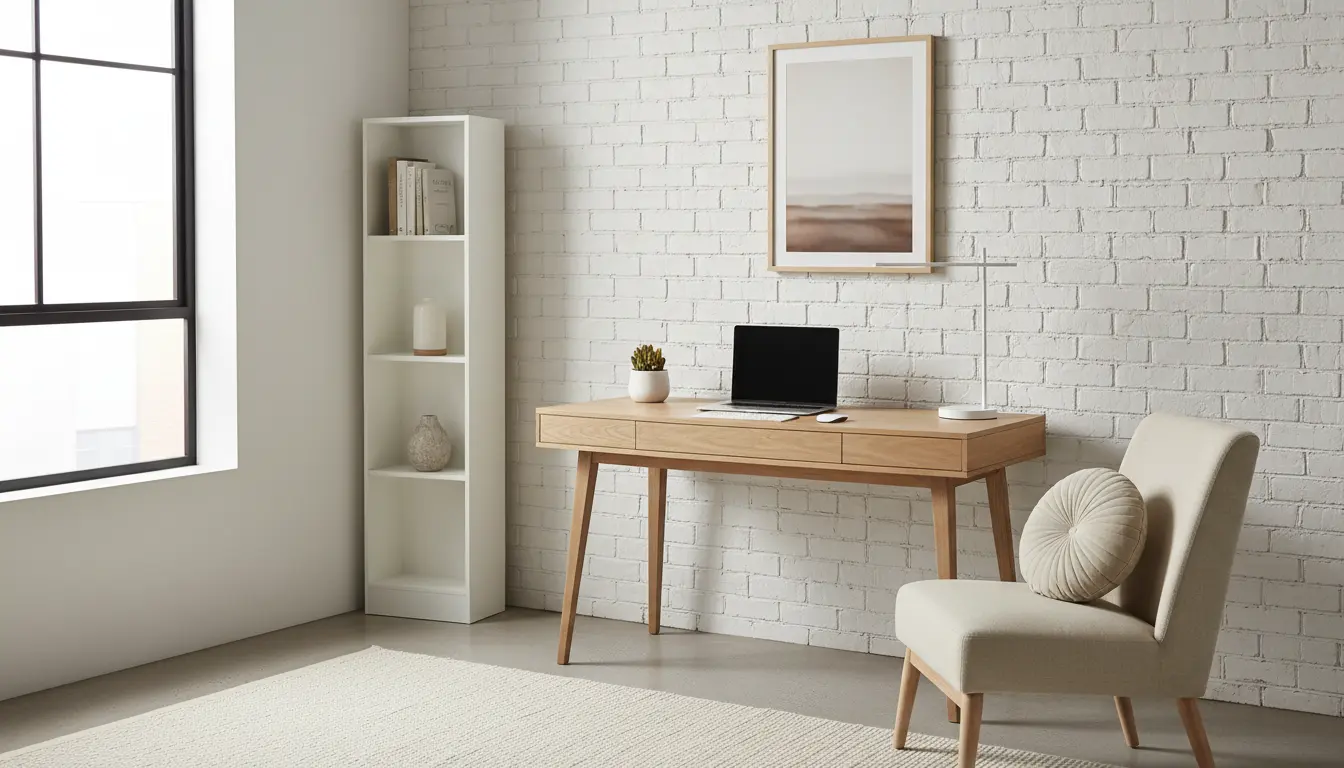
Remote Work Setup Basics
Setting up a remote work environment starts with purpose. Define the primary tasks you do daily and choose a dedicated space that supports those tasks.
A good remote work setup reduces distractions, supports ergonomics, and helps you switch between focused work and meetings quickly.
Choose the Right Location for Your Remote Work Setup

Location matters more than how fancy your gear is. Pick a spot with natural light and minimal foot traffic if possible.
Consider sound levels and how the space looks on video calls. A consistent background improves perceived professionalism.
Small Space Options for Remote Work Setup
- Corner desk in a bedroom or living room
- Standing desk by a window to save floor space
- Closet conversion for a compact, quiet workspace
Essential Gear for Remote Work Setup
Buy tools that directly improve comfort and output. You do not need the most expensive items, just the right ones for your workflow.

Prioritize items that prevent fatigue and make collaboration easier.
Basic Remote Work Setup Checklist
- Reliable laptop or desktop with necessary specs
- External monitor (or two) for multitasking
- Ergonomic chair and adjustable desk
- High-quality headset or microphone for clear calls
- Fast internet and a simple backup like a phone hotspot
Ergonomics and Health in Your Remote Work Setup
Ergonomics prevents long-term pain and keeps productivity steady. Even small adjustments can make a big difference over months.
Set your monitor at eye level, use a chair that supports your lower back, and place your keyboard so your wrists are neutral.
Daily Habits to Support Your Remote Work Setup
- Take short breaks every 45–60 minutes
- Stand or stretch for 5 minutes each hour
- Keep a water bottle visible to stay hydrated
Organize Cables and Supplies for a Clean Remote Work Setup

A clutter-free desk reduces cognitive load. Use simple organizers and label chargers to avoid digging through drawers.
Cable ties, a small drawer unit, and a desk mat can make the space feel tidy and more functional.
Set Routines and Boundaries in Your Remote Work Setup
Routines turn setup into performance. Create a start-of-day checklist and an end-of-day shutdown ritual to separate work from personal time.
Communicate clear work hours with household members and colleagues to reduce interruptions.
Sample Remote Work Setup Routine
- 08:30 — Review calendar and prioritize three tasks
- 09:00 — Deep work block (60–90 minutes)
- 11:00 — Short walk or stretch break
- 13:00 — Check messages and attend meetings
- 17:00 — End-of-day review and plan for tomorrow
Software and Connectivity for a Robust Remote Work Setup
Strong, simple software choices improve communication and workflow. Choose tools that integrate and reduce context switching.
Keep a local copy of essential documents and enable automatic backups to the cloud for redundancy.
Recommended Tool Types for Your Remote Work Setup
- Video conferencing with background blur or virtual background
- Task manager or simple project board
- Cloud storage with selective sync
- Time tracking or focus app for accountability
Positioning your monitor just below eye level can reduce neck strain and improve focus during long remote work sessions.
Case Study: Improving a Remote Work Setup in Two Weeks
Maria, a product manager, moved from a couch setup to a focused home office. She had frequent video calls and experienced neck pain.
She implemented a week-by-week plan: week one for ergonomics and gear, week two for routines and software. Her productivity increased and pain reduced within two weeks.
What Maria Changed
- Added an external monitor and laptop stand to improve posture
- Switched to a noise-cancelling headset for clearer calls
- Established fixed meeting times to protect deep work blocks
- Set a 5-minute pre-meeting checklist to improve video presence
Practical Tips to Scale Your Remote Work Setup
If you share space with family or roommates, use portable options like a laptop riser and a compact keyboard you can stow away.
For frequent travel, design a lightweight kit that includes a foldable mouse, USB-C hub, and travel stand to recreate your setup quickly.
Quick Wins for Any Remote Work Setup
- Swap to a wired headset for reliable audio in noisy environments
- Use a second monitor only when you need extended screen space
- Declutter digital desktops and close unused browser tabs
Conclusion: Build a Remote Work Setup That Fits You
Design your remote work setup around tasks, comfort, and focus. Small investments in ergonomics and routines often yield the biggest returns.
Test changes for two weeks, then iterate based on what helps you stay productive and healthy long term.