
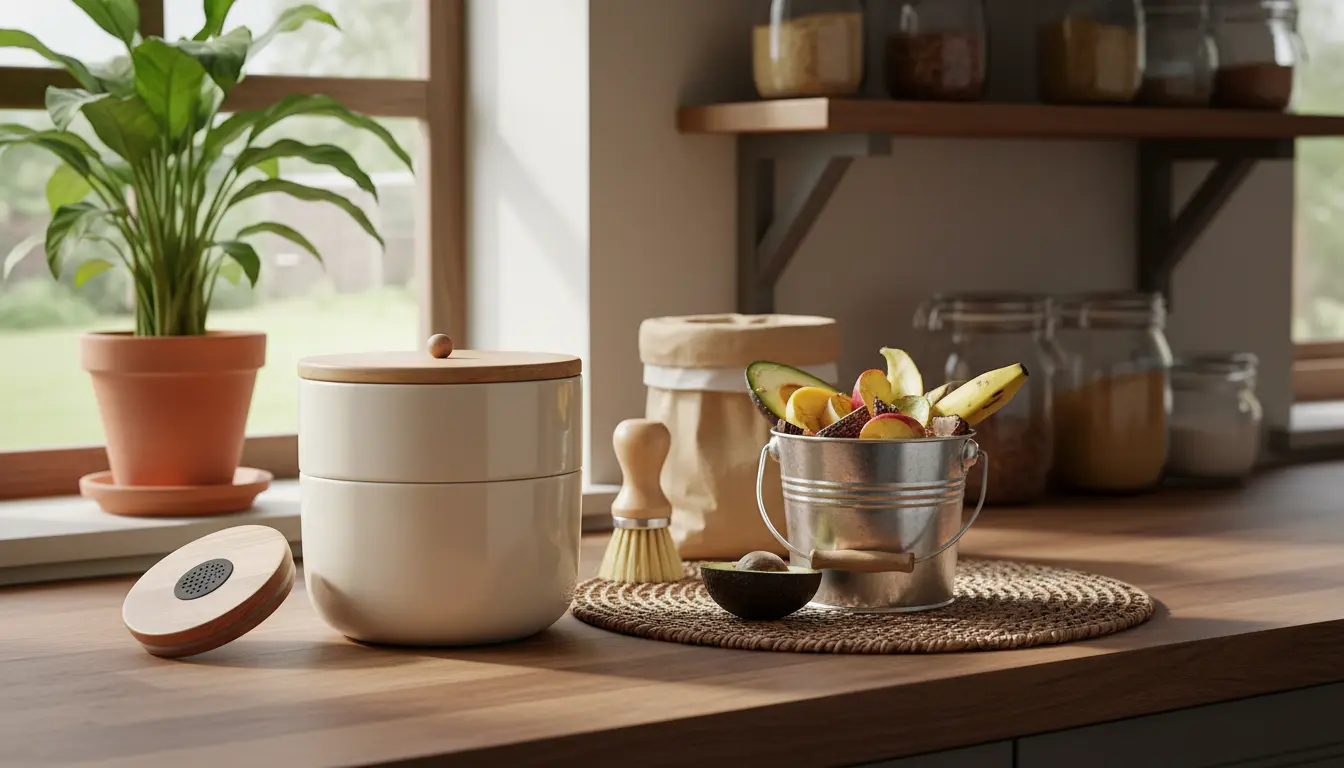
Start Simple: Why Reduce Food Waste at Home
Reducing food waste at home saves money, lowers your environmental footprint, and simplifies meal prep. Small changes to planning and storage can prevent edible food from ending up in the trash.
This guide gives practical, easy-to-follow steps you can apply right away. Use the tactics below to cut waste consistently and measure your progress.
Quick Steps to Reduce Food Waste
Follow this short checklist to begin reducing food waste at home. Each step is explained in more detail later.
- Plan meals and shop with a list.
- Store food properly to extend freshness.
- Cook the right portions and use leftovers.
- Preserve surplus with freezing, pickling, or canning.
- Compost inedible scraps and spoiled food.
Meal Planning to Reduce Food Waste
Meal planning reduces impulse buys and forgotten items in the fridge. Spend 15–30 minutes each week to map meals and snacks.
How to plan effectively
- Check your fridge and pantry before shopping.
- Create a short shopping list based on planned meals.
- Buy loose produce to select exact quantities.
- Use a shared family calendar for meals to avoid duplicates.
Smart Storage to Keep Food Fresh
Proper storage extends the life of fruits, vegetables, dairy, and cooked dishes. Follow simple storage rules to reduce spoilage.
Storage tips that work
- Keep ethylene-producing fruits (apples, bananas) away from sensitive vegetables.
- Use clear containers for prepared foods so leftovers are visible.
- Label and date items before storing them in the fridge or freezer.
- Store herbs upright in water, like flowers, to keep them fresh longer.
Portion Control and Leftovers
Cooking appropriate portions prevents uneaten food. When you do have leftovers, make them part of your meal plan for the next day.
Practical portion control methods
- Use measuring cups or a kitchen scale for unfamiliar recipes.
- Cook flexible recipes (stews, stir-fries) that scale easily.
- Designate one night a week as a “Leftover Meal” to clear the fridge.
Preserving and Repurposing Food
If you find surplus produce or excess cooked food, preserve or repurpose it. Freezing, pickling, and turning scraps into new dishes extend usability.
Easy preservation and repurposing ideas
- Freeze extra soups, sauces, and chopped vegetables in portioned bags.
- Make stock from bones and vegetable scraps.
- Transform wilting greens into pesto or smoothies.
- Use stale bread for croutons, breadcrumbs, or bread pudding.
Composting and Recycling Food Waste
Not all food loss is avoidable. Composting turns inedible food and scraps into garden-ready soil. Many cities also offer food-waste pickup programs.
Home compost basics
- Collect fruit and vegetable peels, coffee grounds, and eggshells in a sealed container.
- Aim for a mix of brown (dry leaves, paper) and green (kitchen scraps) materials.
- Turn the pile weekly to speed decomposition and reduce odors.
- Use a compact bokashi bin for small apartments to ferment food waste indoors.
About one third of all food produced for human consumption is lost or wasted globally each year. Cutting household food waste by just 20 percent can significantly lower your grocery bill and carbon footprint.
Tracking Progress: Simple Measurement
Track how much food you throw away for two weeks to find patterns. Use a small scale or estimate volume in a container.
What to record
- Item wasted (e.g., lettuce, milk, cooked rice).
- Reason (spoiled, overcooked, leftover not eaten).
- Approximate weight or volume.
After two weeks, identify the top 3 causes and apply specific fixes like better storage or portion changes.
Small Case Study: Family Cut Waste by 40%
A four-person household tracked waste for two weeks and found stale bread and unused salad greens were the main losses. They introduced a weekly meal plan, froze half of the bakery bread immediately, and scheduled a salad-night for leftover greens.
Within one month they measured a 40 percent reduction in household food waste and saved an estimated $35 on grocery bills each week. The household also started a small compost bin, which reduced trash odor and produced rich soil for potted plants.
Common Mistakes and How to Avoid Them
- Buying in bulk without a plan — buy bulk only for items you use regularly or can freeze.
- Ignoring freezer organization — label and date items and store by use-by month.
- Over-relying on expiration dates — use sight and smell for many foods; understand date labels.
Final Tips to Reduce Food Waste at Home
- Start with one change per week and build habits gradually.
- Use clear containers and visible storage to remind you to use foods.
- Share surplus with neighbors or donate unopened items to food banks.
Reducing food waste is practical and achievable. With a few simple systems—planning, storage, preservation, and composting—you can save money and help the environment.