
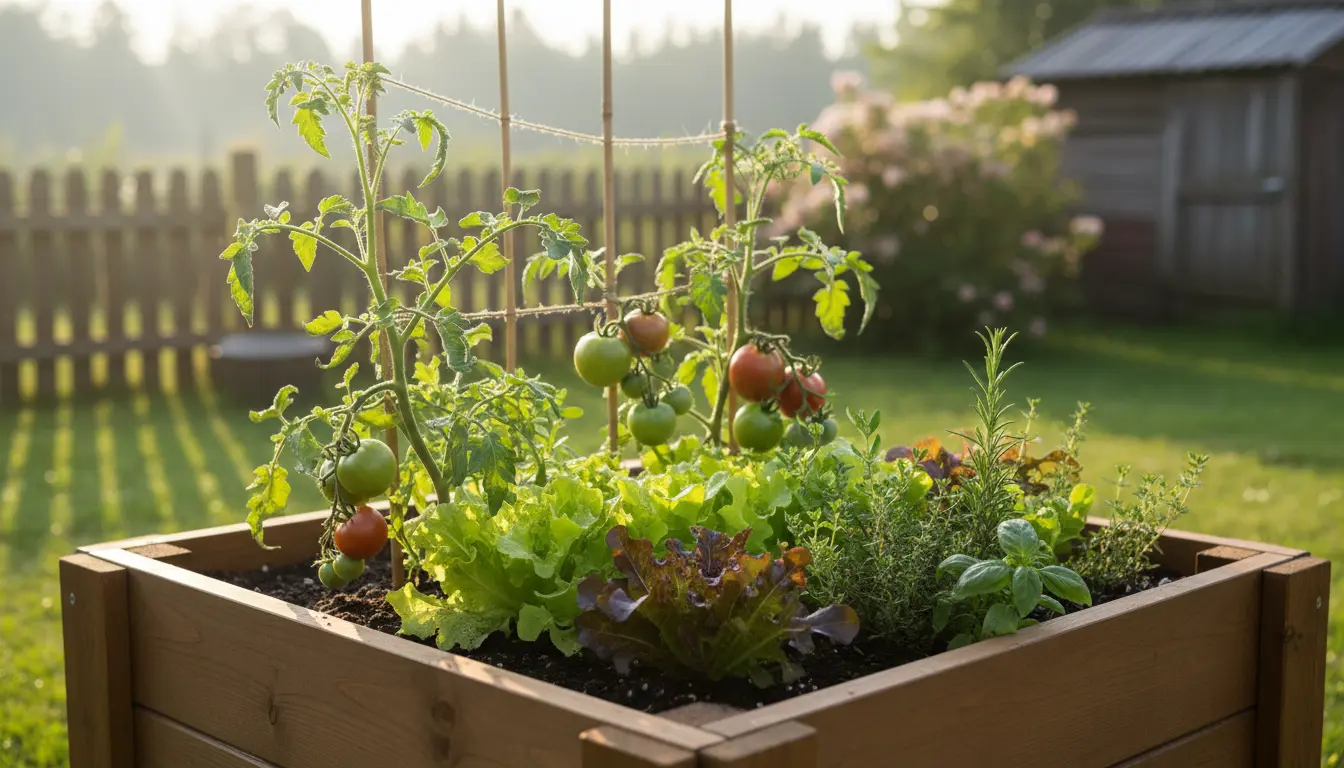
Organic Vegetable Gardening for Beginners: Getting Started
Organic vegetable gardening focuses on growing food without synthetic chemicals. It relies on healthy soil, good planning, and simple cultural practices.
This guide gives clear, step-by-step instructions a beginner can follow to start a productive organic vegetable garden.
Choose a Site for Organic Vegetable Gardening
Select a location that gets at least 6 hours of direct sunlight daily. Most vegetables need full sun to produce well.
Pick a spot with good drainage and easy access to water. Avoid low spots that stay wet after rain.
Soil and Bed Options for Organic Vegetable Gardening
Healthy soil is the foundation of organic gardening. Test your soil to check pH and nutrient levels before planting.
- Raised beds: Good for controlling soil quality and drainage.
- In-ground beds: Use when you have deep, healthy topsoil.
- Containers: Suitable for patios and small spaces; use a quality organic potting mix.
Prepare Soil the Organic Way
Improve soil structure and fertility with organic matter. Work compost into the top 6–12 inches of soil before planting.
For depleted soils, apply a 2–3 inch layer of compost and let it settle for a week before planting. Mulch after planting to conserve moisture.
Organic Soil Amendments
- Compost: Supplies nutrients and beneficial microbes.
- Well-rotted manure: Adds nitrogen and organic matter—use only composted manure for vegetables.
- Rock phosphate or bone meal: Slow-release phosphorus sources if tests show deficiency.
Plan What to Grow and When
Start with easy, fast-growing vegetables to build confidence. Good beginner crops include lettuce, radishes, spinach, bush beans, and tomatoes.
Follow local planting dates. Use succession planting to harvest over a longer season—plant a new row every two weeks.
Companion Planting and Crop Rotation
Companion planting can reduce pests and improve yields. For example, plant marigolds near tomatoes to deter nematodes.
Rotate crop families each year to reduce disease and nutrient depletion. Avoid planting the same family in the same bed for at least three years.
Planting Techniques for Organic Vegetable Gardening
Sow seeds at the correct depth and spacing shown on seed packets. Overcrowding leads to disease and poor yields.
Transplant seedlings on a cool, cloudy day to reduce transplant shock. Water in well at planting time.
Watering and Mulching
Water deeply and less frequently to encourage strong roots. Aim for consistent moisture rather than daily shallow watering.
- Drip irrigation or soaker hoses reduce leaf wetness and conserve water.
- Apply 2–3 inches of organic mulch (straw, shredded leaves) to retain moisture and suppress weeds.
Pest and Disease Management Without Chemicals
Start with prevention: healthy soil, proper spacing, and clean tools reduce problems. Monitor plants regularly for early signs of pests.
Use physical controls first—handpick pests, use row covers, or prune affected leaves.
Biological and Organic Controls
- Beneficial insects: Encourage ladybugs, lacewings, and predatory wasps by planting diverse flowers.
- Organic sprays: Use insecticidal soap or neem oil as targeted treatments only when necessary.
- Disease control: Remove infected plant parts and rotate crops to break disease cycles.
Harvesting and Storage
Harvest vegetables at peak maturity for best flavor and nutrition. Frequent harvesting can encourage more production in many plants.
Store produce properly: cool leafy greens quickly, cure root crops if needed, and refrigerate per crop requirements.
Small Real-World Example: A Backyard Raised Bed Case Study
Sarah, a new gardener with a 10×4 foot raised bed, followed simple organic steps to get a reliable harvest. She filled the bed with a mix of garden soil and compost, planted tomatoes, lettuce, and bush beans, and installed a soaker hose.
By rotating beans and leafy greens, mulching heavily, and using hand removal for caterpillars, she harvested fresh salad greens for six months and a steady supply of tomatoes. The raised bed approach reduced weeds and made soil improvements visible within a season.
Common Beginner Mistakes and How to Avoid Them
- Overwatering: Test soil moisture before watering; avoid wetting leaves frequently.
- Ignoring soil tests: A simple pH and nutrient test prevents misapplied amendments.
- Planting too much at once: Start small and expand as you gain experience.
Next Steps for Organic Vegetable Gardening for Beginners
Start by planning a small bed, improving the soil with compost, and choosing 3–5 easy crops. Track what works and adjust planting dates and varieties over time.
Join a local gardening group or extension service for region-specific advice. Hands-on experience and small experiments are the fastest way to learn.
With consistent care and organic practices, even beginners can grow nutritious vegetables and improve soil health year after year.