
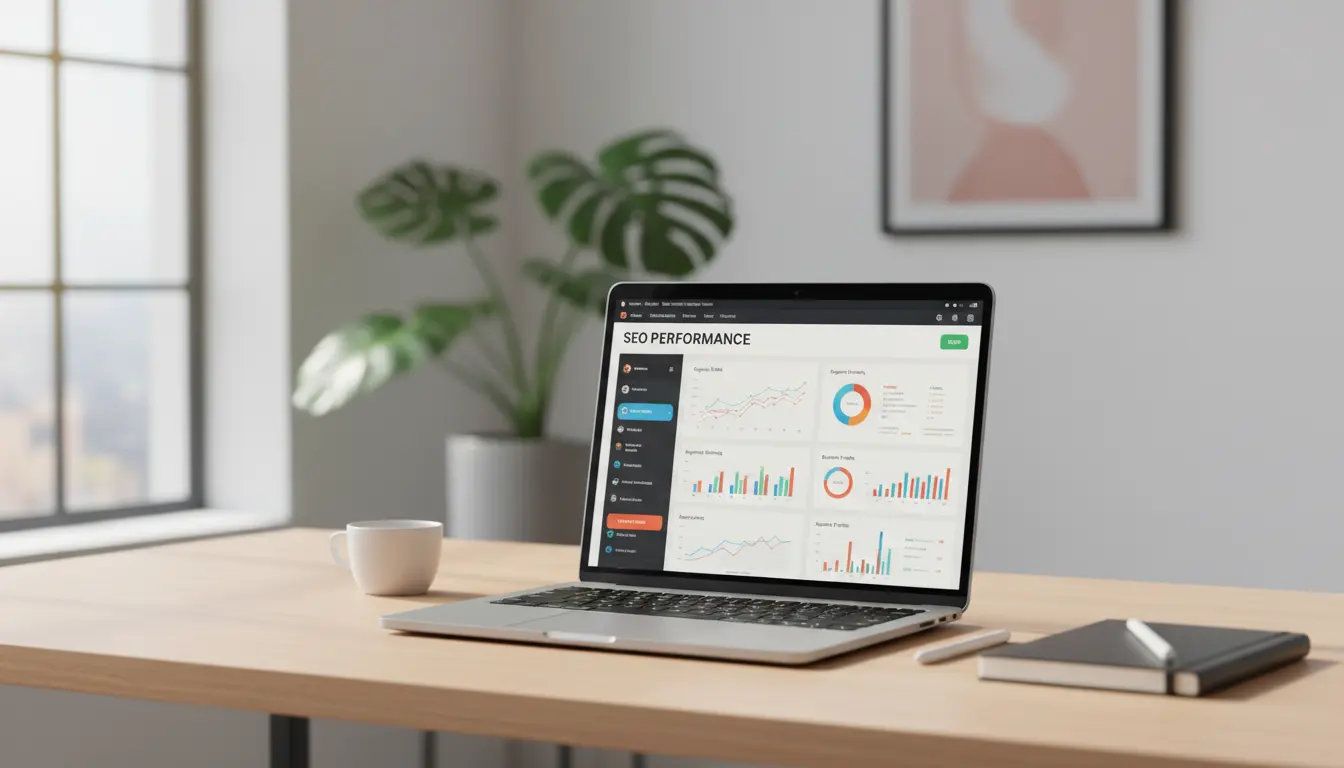
On-page SEO brings structure and clarity to individual pages so search engines can understand and rank them. This checklist focuses on actionable steps small website owners and managers can apply without advanced technical resources.
On-Page SEO Checklist Overview
Start with a page-level plan. Define the main keyword you want to rank for and one or two closely related phrases. Keep the page focused on a single user intent to avoid confusing search engines.
Define Page Keyword and Intent

Choose a primary keyword that matches user intent—informational, navigational, or transactional. Use simple keyword research tools or Google Autocomplete to validate search volume and intent.
- Target one primary keyword per page.
- Pick 1–2 supporting keywords or variations.
- Match content to user intent (answer a question, offer a product, or provide a service).
Title Tags and Meta Descriptions
Title tags and meta descriptions are the first elements users and search engines see. Keep title tags clear and include the primary keyword close to the start.
Write Effective Title Tags
Use 50–60 characters and include the primary keyword. Make the title readable and relevant to the page content.
Craft Useful Meta Descriptions
Write 120–160 character descriptions that summarize the page and include a call to action when appropriate. Meta descriptions influence click-through rates even if they don’t directly affect rankings.
Headings, Content, and Readability
Headings structure content and help search engines understand the hierarchy of information. Use H1 for the page title and H2/H3 for sections and subpoints.
Use Headings Strategically
Place the primary keyword in the H1 and at least one H2 where natural. Break content into short sections with descriptive headings for scanning users.
Write Clear, Useful Content

Create content that solves a user problem in a concise way. Aim for practical answers, examples, and next steps rather than filler text.
- Open with the main point or answer.
- Use short paragraphs and bullet lists for readability.
- Include examples and quick steps where relevant.
URL Structure and Internal Linking
URLs should be short, descriptive, and include the primary keyword. Avoid long query strings or unnecessary parameters.
Optimize URL Paths
Use lowercase, hyphens to separate words, and keep URLs under 60 characters if possible. Example: /services/on-page-seo-checklist.
Internal Linking Best Practices
Link related pages using descriptive anchor text. Internal links help distribute authority and guide users through your site.
- Link from high-traffic pages to new or priority pages.
- Use varied, natural anchor text that describes the target page.
Images, Alt Text, and Media
Optimize images for fast loading and accessibility. Provide descriptive alt text that includes the primary keyword when it applies naturally.
Image Optimization Steps
Compress images, use modern formats like WebP when supported, and set explicit width and height to avoid layout shifts. Add alt text that explains the image for visually impaired users.
Page Speed and Mobile Experience
Page speed and mobile friendliness are ranking factors. Use free tools like Google PageSpeed Insights to identify issues and prioritize fixes.
Practical Speed Improvements
Enable browser caching, optimize images, and minimize render-blocking scripts. For small sites, a lightweight theme or optimized template often yields big gains.
Schema and Rich Results
Structured data helps search engines display rich results, which can increase visibility and clicks. Start with basic schema types like Organization, BreadcrumbList, or Article.
Implementing Schema
Use JSON-LD for structured data and validate with Google’s Rich Results Test. Prioritize schema relevant to your content type, such as Product or LocalBusiness for local services.
Pages with descriptive title tags and structured content often see measurable increases in click-through rate within weeks of optimization.
Small Case Study: Local Bakery
A local bakery optimized three product pages using this checklist. They updated title tags, added descriptive URLs, improved image alt text, and added structured data for products.
Within three months the bakery saw a 35% increase in organic traffic to those pages and a 20% rise in online orders. The improvements were straightforward and used minimal technical resources.
Quick On-Page SEO Action Plan
- Identify primary keyword and user intent.
- Optimize title tag and meta description for each page.
- Structure content with H1, H2, and H3 headings.
- Optimize images, alt text, and compress files.
- Improve page speed and ensure mobile friendliness.
- Add basic schema and validate with tools.
- Monitor results and iterate every 4–8 weeks.
Conclusion
On-page SEO is a repeatable process that benefits both users and search engines. Focus on clear structure, useful content, and fast pages. Small, consistent improvements often yield compounding results.
If you apply this checklist to a few priority pages and monitor changes, you can achieve measurable traffic and conversion gains without major development work.