
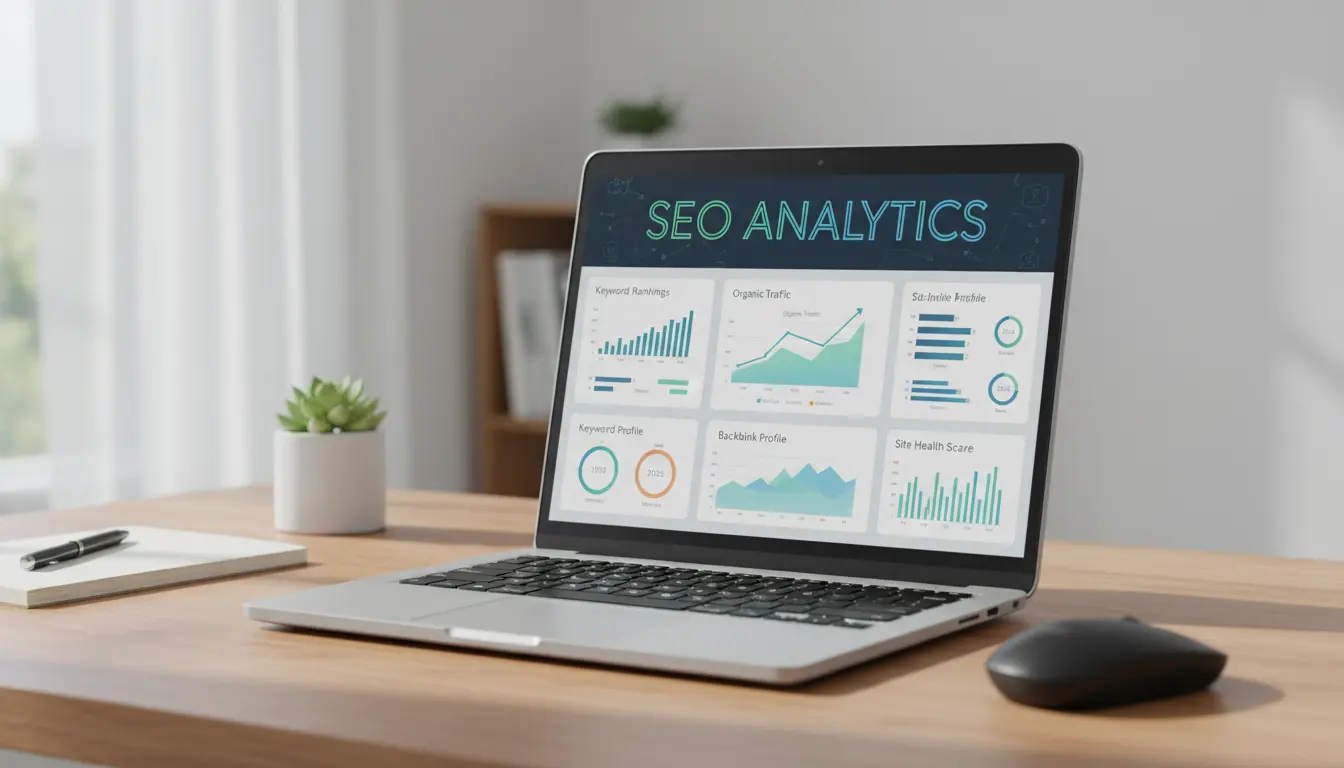
On-Page SEO Checklist: What to Focus On
On-page SEO affects how search engines understand and rank individual pages. Use this checklist to systematically improve visibility, relevance, and user experience.
1. Title Tags
Create a clear title tag that includes your main keyword near the start. Keep the length under 60 characters to avoid truncation in search results.
- Include primary keyword naturally.
- Avoid keyword stuffing or duplicate titles across pages.
- Make it descriptive and clickable for humans.
2. Meta Descriptions

Write a concise meta description that summarizes the page and encourages clicks. Aim for 120–155 characters.
- Use an action-oriented tone when appropriate.
- Include a secondary keyword if it fits naturally.
- Ensure the description matches page content to reduce bounce rate.
3. URL Structure
Keep URLs short, readable, and keyword-rich. A clean URL helps users and search engines understand the page context.
- Use hyphens to separate words.
- Avoid unnecessary parameters or stop words.
- Keep the hierarchy shallow when possible.
4. Heading Tags (H1, H2, H3)
Use an H1 for the main topic and H2/H3 tags to structure subsections. Headings guide readers and signal content structure to search engines.
- Include your keyword in at least one subheading.
- Use headings to break long content into scannable sections.
5. Content Quality and Keyword Use

Write original, helpful content that satisfies user intent. Use your primary keyword and related terms naturally throughout the page.
- Prioritize useful answers and examples over keyword density.
- Use short paragraphs and bullet lists for readability.
- Update content periodically to keep it accurate and fresh.
6. Internal Linking
Link to relevant pages within your site to help users navigate and to distribute link equity. Use descriptive anchor text that reflects the target page.
- Link from high-traffic pages to new or strategic pages.
- Avoid excessive internal links on a single page.
7. Image Optimization
Optimize images to improve load time and accessibility. Use descriptive file names and alt text that includes keywords when relevant.
- Compress images and serve modern formats like WebP when possible.
- Provide concise alt text for screen readers and SEO context.
8. Mobile-Friendly Design

Ensure pages use responsive design and render correctly on phones and tablets. Mobile usability is a critical ranking factor.
- Check tap target sizes and font legibility on small screens.
- Test pages with Google’s Mobile-Friendly Test tool.
9. Page Speed
Improve page load times to reduce bounce rates and help rankings. Focus on server response, image optimization, and eliminating render-blocking resources.
- Use a CDN and enable compression like gzip or Brotli.
- Defer noncritical JavaScript and minimize CSS.
10. Structured Data (Schema)
Add relevant schema markup to help search engines understand content type and show rich results. Common types include article, product, FAQ, and recipe.
- Use schema validators to confirm correct implementation.
- Start with simple markup like organization, breadcrumbs, and FAQs.
Practical Steps to Apply the Checklist
Run an audit for one key page each week and implement fixes in order of impact. Prioritize title tags, meta descriptions, and page speed first.
Weekly Implementation Example
- Week 1: Fix titles and meta descriptions for top 10 landing pages.
- Week 2: Improve page speed and compress images.
- Week 3: Add or update internal links and headings.
Pages that load within 2 seconds have significantly lower bounce rates and higher average time on page, improving their chance to rank well.
Real-World Case Study
Example: A small ecommerce retailer focused on garden tools implemented this checklist across 25 product pages.
Actions taken included rewriting title tags, compressing images, and adding FAQ schema. Within eight weeks, organic traffic to those product pages rose by 35% and conversion rate improved by 12%.
Quick On-Page SEO Checklist (Actionable)
- Title tag with main keyword (under 60 chars)
- Unique meta description (120–155 chars)
- Clean, keyword-friendly URL
- One H1 and logical H2/H3 structure
- High-quality content with related keywords
- Optimized images and descriptive alt text
- Mobile responsive layout
- Fast page load (target under 3 seconds)
- Schema markup where relevant
- Relevant internal links
Conclusion
This on-page SEO checklist helps you make measurable improvements without guessing. Apply the items in order of impact, track results, and repeat audits regularly to sustain gains.