
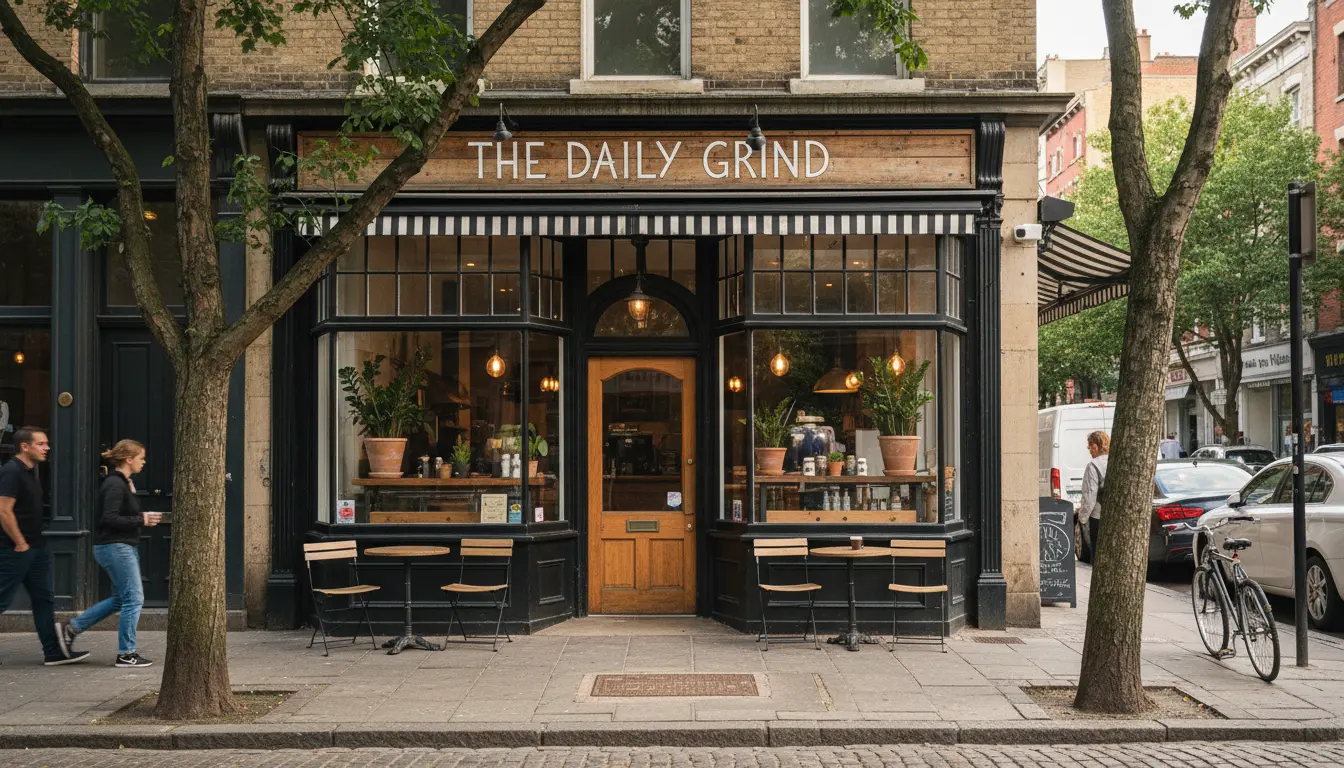
What is Local SEO and Why It Matters
Local SEO helps search engines connect nearby customers with local businesses. It focuses on signals that show relevance for searches with local intent, like “coffee shop near me”.
For small businesses, local SEO is often the most cost-effective way to drive walk-ins, calls, and local orders. It targets people who are ready to buy or visit.
Essential Local SEO Checklist

Use this checklist as a step-by-step framework. Each item affects how your business appears in local search results and maps.
- Google Business Profile optimization
- Consistent name, address, phone (NAP) across listings
- Local keyword-focused on-page optimization
- High-quality local citations and directory listings
- Customer reviews and reputation management
- Local backlinks and community mentions
- Tracking and iterating with analytics
Optimize Your Google Business Profile (GBP)
Your GBP is the single most important local SEO asset. It appears in Maps and the local pack and influences discovery and conversions.
How to set up and optimize GBP
- Claim and verify your listing immediately.
- Use your real business name and primary category.
- Complete every field: hours, services, attributes, and photos.
- Add regular posts about offers, events, or updates.
- Enable messaging and respond quickly to inquiries.
Keep NAP and Website Info Consistent
Search engines compare online mentions to confirm your business details. Inconsistent NAP creates trust issues and can harm visibility.
- Use the exact name, address, and phone format on your site and listings.
- Place NAP in the footer and on a dedicated contact page.
- Audit and fix incorrect citations on major directories.
On-Page Local SEO: What to Do on Your Site
On-page signals tell search engines where and what your business serves. These are simple technical and content tasks that pay off steadily.
Key on-page actions for local SEO
- Include city or neighborhood names naturally in title tags and headings.
- Create location pages if you have multiple sites, each with unique content.
- Add structured data (schema.org LocalBusiness) to your contact and service pages.
- Ensure fast mobile loading and secure HTTPS for better rankings.
Gather and Manage Customer Reviews
Reviews influence rankings and conversions. Positive feedback increases trust and click-through rates.
- Ask satisfied customers to leave reviews on Google and industry-specific sites.
- Respond to all reviews promptly, both positive and negative.
- Highlight strong reviews on your website and social profiles.
Build Local Citations and Backlinks
Citations are mentions of your business name and details on other websites. Backlinks from local organizations add authority and local relevance.
- List your business in local chambers, directories, and event sites.
- Partner with local suppliers, bloggers, and news sites for links and mentions.
- Create shareable local content, such as guides, event recaps, or case studies.
Track Performance and Iterate

Measure what matters to improve. Track visibility, traffic, and conversions related to local searches.
- Use Google Search Console for keyword and page performance.
- Monitor GBP insights for calls, directions, and searches.
- Set goals in Google Analytics for phone clicks, contact form submissions, and direction requests.
Nearly half of all Google searches have local intent, and businesses that optimize for local search often see faster returns than broad, national SEO efforts.
Quick Local SEO Routine You Can Do Weekly
A small, consistent routine keeps your local profile healthy. Spend 30 to 60 minutes each week on these tasks.
- Reply to new reviews and messages.
- Post one GBP update or offer.
- Check NAP consistency for any new listings.
- Share a local social post linking to your site or event.
Case Study: Downtown Coffee Roasters
Downtown Coffee Roasters is a single-location café that improved local SEO over three months. They focused on GBP optimization, review requests, and local citations.
Actions taken included updating hours, adding 40 recent photos, responding to reviews, and listing the shop on five local directories.
Results: organic map views increased 80%, direction requests rose 65%, and monthly foot traffic grew by 18% within three months. The business reported a clear uplift in weekday lunchtime sales.
Common Local SEO Mistakes to Avoid
- Using inconsistent business names or phone numbers across listings.
- Ignoring negative reviews rather than addressing them professionally.
- Relying on generic national keywords instead of local intent phrases.
- Duplicating content across multiple location pages without unique details.
Getting Started: First 30 Days Plan
Follow this simple 30-day plan to build momentum. Each week focuses on a high-impact area.
- Week 1: Claim and fully complete Google Business Profile.
- Week 2: Audit and fix NAP consistency across listings.
- Week 3: Request reviews from recent customers and respond publicly.
- Week 4: Add local content and structured data to your site.
Local SEO is an ongoing process, but small, focused improvements can deliver measurable gains quickly. Start with your Google Business Profile and consistent NAP, then expand into reviews, citations, and local content.