

The IRS has confirmed a one-time $2,000 direct deposit payment for 2026 and released new eligibility rules. This article explains who is likely to qualify, how the IRS will issue payments, and the steps you should take to check or update your information.
IRS Confirms 2000 Direct Deposit for 2026: Overview
The confirmed $2,000 direct deposit is designed as a targeted payment to help households with qualifying income and filing history. The IRS will use recent tax returns and federal benefit records to determine payment amounts and delivery method.
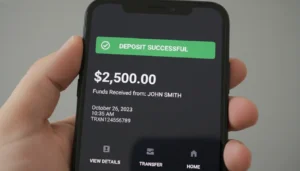
Payments will arrive by direct deposit when the IRS has valid bank account information. Otherwise, the IRS may issue a paper check or a prepaid debit card by mail.
Key details about the 2026 payment
- Amount: $2,000 one-time payment for eligible individuals.
- Delivery: Direct deposit when bank details are on file; otherwise by mail.
- Timing: The IRS expects to start payments in early to mid-2026 once eligibility is verified.
New Eligibility Rules: Who Qualifies
The IRS listed a set of primary criteria that determine eligibility. Review these checkpoints to see if you are likely to qualify for the $2,000 deposit.
- Filing requirement: You must have filed a recent federal income tax return (2024 or 2025) or have an IRS record indicating you are an eligible recipient.
- Income limits: The IRS uses adjusted gross income (AGI) thresholds based on filing status to filter eligibility.
- Citizenship/residency: U.S. citizens and qualifying resident aliens with valid Social Security numbers are eligible.
- Not a dependent: You cannot be claimed as a dependent on another taxpayer’s return.
- Benefit recipients: People receiving Social Security, VA, or other federal benefits may be eligible even if they did not file a return, provided the IRS has up-to-date records.
Note: The IRS will publish full statutory guidance. If your situation is complex, wait for the IRS FAQ page or consult a tax professional before assuming eligibility.
Common eligibility scenarios
- Single filer with AGI under the IRS threshold — likely eligible.
- Married filing jointly with combined AGI below the limit — likely eligible.
- Households with qualifying dependents — may affect eligibility and payment routing.
- Nonfilers who receive federal benefits — may be eligible if the IRS has adequate records.
How the IRS Will Determine and Send Direct Deposits

The IRS will match data from recent tax returns and federal benefit files. If your return included bank routing and account numbers, the IRS will use those for direct deposit.
If the IRS does not have bank account details, it will mail the payment to the most recent address on file. That can slow delivery and requires you to keep your mailing address current with the IRS or SSA.
What you can do now
- Check your recent tax return to make sure your bank account and routing numbers were correct.
- Use the IRS online tools when available to confirm payment status and update bank or mailing information.
- Keep your address current with the U.S. Postal Service, the IRS, and any federal benefit agencies you use.
Direct deposit payments typically arrive faster and are less likely to be intercepted than mailed checks. Updating bank info ahead of the payment window can speed delivery.
What To Do If You Don’t Receive the $2,000 Direct Deposit

If you expect the payment but don’t receive it, follow these steps to resolve the issue. Start early — the IRS will provide a period to check payment status and file a claim if needed.
- Check IRS online payment tools for your payment status and official timelines.
- Confirm your bank account and routing details on your most recent tax return or with your benefit agency.
- If payment was mailed, check your mailing address and allow extra time for delivery.
- Contact the IRS only after verifying online status and waiting the recommended timeline to avoid phone wait times.
Common reasons for missing a direct deposit
- Incorrect or missing bank account information on file.
- The IRS used benefit agency records for mailed payments instead of direct deposit.
- Payment was issued but delayed by the postal service or returned due to an address change.
Real-World Example: How One Household Received the Payment
Case study: Maria and James, a married couple who filed jointly in 2025, checked their tax return to confirm bank details. Their AGI fell within the IRS threshold and they were not claimed as dependents.
The IRS matched their bank account on file and processed a direct deposit on the first payment run in March 2026. They received a confirmation notice from the IRS online portal the same week.
Key actions they took:
- Verified bank info on their 2025 tax return before the IRS payment window.
- Signed up for IRS online account access to monitor payment status.
- If they had not received the deposit after two weeks, they planned to use the IRS payment inquiry tool.
Final Checklist Before Payments Begin
Use this short checklist to prepare for the IRS 2026 $2,000 direct deposit.
- Confirm you filed a recent tax return or that the IRS has your benefit records.
- Verify bank routing and account numbers on your last return.
- Keep your mailing address current with the IRS and USPS.
- Create or log in to your IRS online account to monitor payment updates.
These steps will position you to receive the payment as quickly as possible and reduce the likelihood of delays. For the most accurate guidance, consult the IRS website and official announcements as the payment window approaches.