
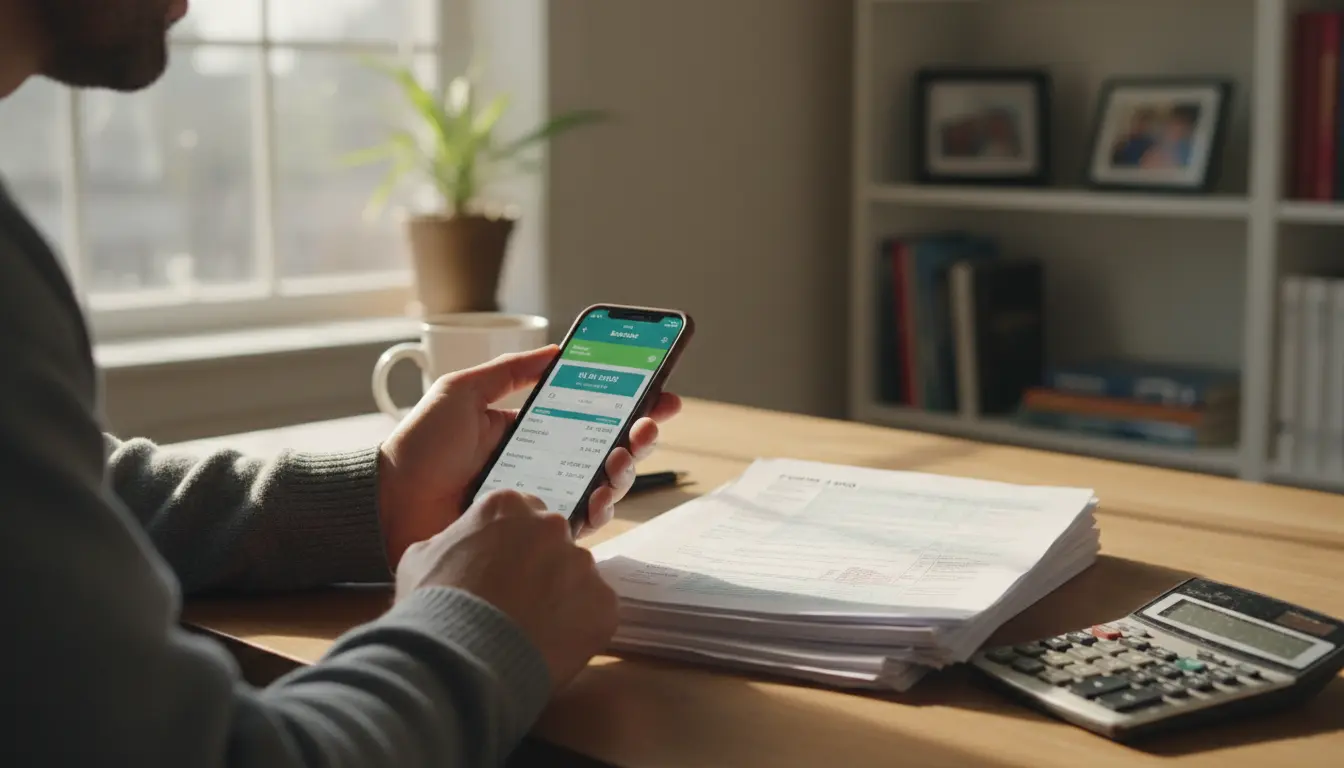
IRS Announces $2,000 Direct Deposit for February 2026 — Overview
The IRS has confirmed a one-time $2,000 direct deposit program scheduled for February 2026. This article explains who may qualify, what the payment schedule looks like, and concrete steps to claim or check the payment.
Eligibility Details Updated
The IRS updated eligibility rules to target taxpayers and benefit recipients who meet income and filing requirements. Eligibility generally depends on filing status, adjusted gross income (AGI) and whether the IRS has your current banking or mailing information.
Who is likely eligible?
- Most taxpayers who filed a 2024 or 2025 federal tax return and meet the income limits set by the IRS.
- Social Security and other federal benefit recipients who typically receive automatic IRS payments.
- Low- and moderate-income households that the IRS identified through tax or benefits records.
Who may be excluded or need to take action?
- Non-filers who did not submit a tax return or register with the IRS may need to use the IRS non-filer portal (if available) or file a simple return.
- Taxpayers with very high incomes above IRS thresholds may be ineligible or subject to phase-outs.
- People whose bank account or address on file is outdated may not receive direct deposit and should update their details.
Payment Schedule Confirmed
The IRS confirmed the program will pay out in February 2026. Payments will be released in batches to manage processing, and most qualifying direct deposits are expected to arrive by the end of the month.
How the distribution will work
- Direct deposits go first to recipients with up-to-date bank info on file.
- Paper checks or prepaid debit cards may follow for people without direct deposit details.
- The IRS will post status updates on its official website and through the Get My Payment (or equivalent) tool when available.
How to Check Your Payment Status
Use official IRS tools to confirm eligibility and payment status. The IRS website will list a status checker or provide guidance on when deposits are scheduled.
- Visit the IRS payment or Get My Payment page for real-time status (if active).
- Have your Social Security number, date of birth, and current address ready when checking online.
- Call IRS phone lines only if online tools are unavailable and your situation is urgent.
Steps to Claim the $2,000 Payment If You Don’t Receive It
If you believe you qualify but do not get the payment, follow these steps to claim it or correct the record.
- Confirm your eligibility and check the IRS status tool for any queued payments.
- Verify the bank account or mailing address the IRS has on file. Update your direct deposit information through the approved IRS portal if the option exists.
- If you are a non-filer but eligible, register with the IRS non-filer service or file a simple tax return for the relevant year, as instructed by IRS guidance.
- If the IRS denies a payment and you think this was an error, keep documentation and follow instructions to claim the payment on your next federal return or through the IRS claim process.
Documentation to keep
- Recent tax returns (2024 and 2025 as applicable)
- Proof of identity (Social Security card or ITIN documentation)
- Bank statements showing the deposit or lack of deposit
Common Questions and Practical Tips

Here are quick answers to frequent questions and practical steps to avoid delays.
- Q: Can I change my direct deposit after the payment is scheduled?
A: Typically no. Update bank info before the IRS cut-off date or expect a paper check. - Q: Will the payment be taxable?
A: Most one-time federal payments of this type are not considered taxable income, but confirm with IRS guidance or your tax advisor. - Q: What if my payment is wrong?
A: Contact the IRS and retain records. You may be able to correct the issue when filing your next tax return.
The IRS usually distributes emergency or one-time payments in batches and posts a schedule online. Checking the official IRS portal regularly helps you know exactly when to expect a deposit.
Real-World Example
Case study: Maria, a single parent and hourly worker, filed her 2025 return early and had direct deposit on file. She checked the IRS status tool and saw a scheduled deposit for late February. The $2,000 appeared in her account on February 24, allowing her to cover rent and emergency car repairs.

By contrast, her neighbor Tom had moved and didn’t update his bank information with the IRS. He did not get a direct deposit and later received a mailed check in March after updating his information and contacting IRS support.
What To Do Next
Confirm your eligibility and check official IRS channels first. Keep documents ready and update contact or bank details as early as possible.
If you still need help after using online tools, contact IRS support lines or a trusted tax professional. Acting early reduces delays and helps ensure you receive any payment you qualify for.
Note: This guide summarizes general steps announced with the February 2026 payment. Always verify specific dates and processes on the official IRS website or official IRS communications.