
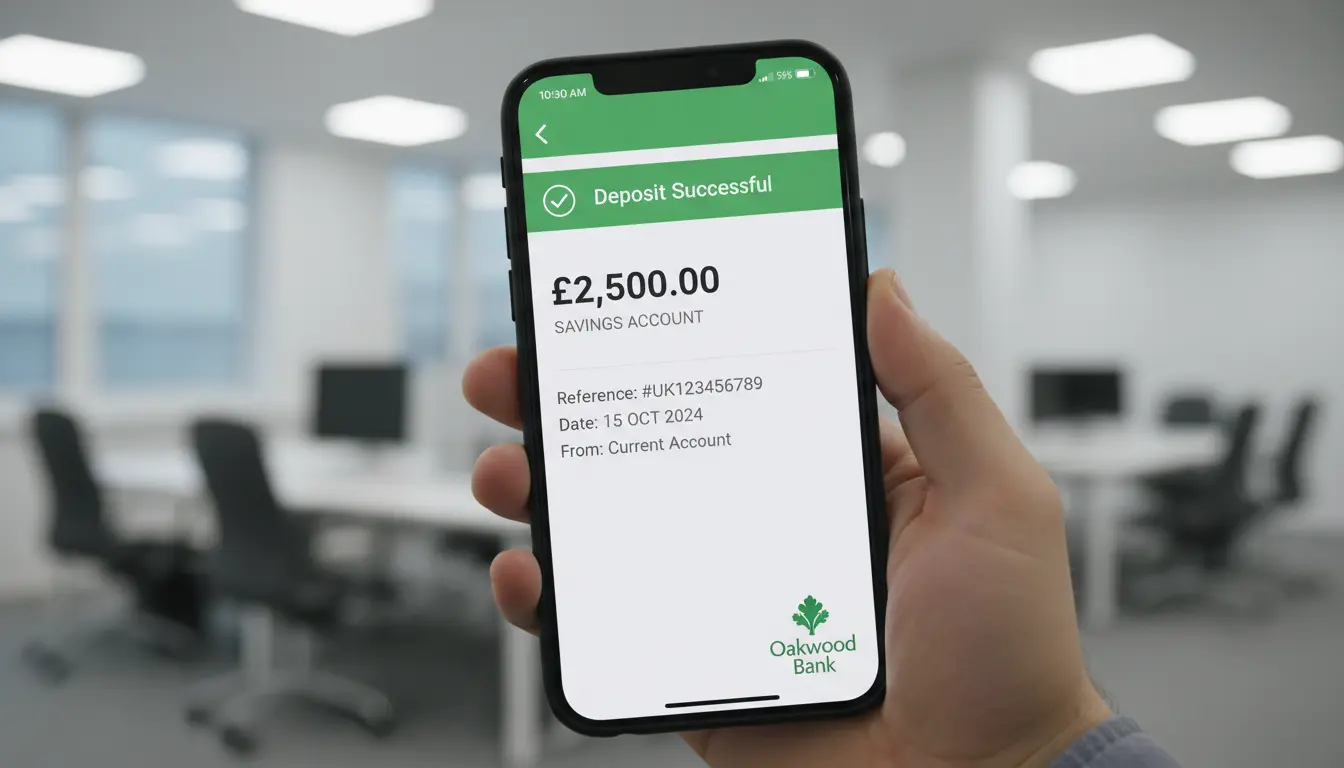
The IRS announced a one-time $2,000 direct deposit distribution scheduled for February 2026 to eligible taxpayers. This guide explains who should expect the payment, how the deposit works, and what to do if funds don’t arrive.
IRS $2,000 Direct Deposit Explained for February 2026: Quick Overview
The $2,000 direct deposit is a targeted payment the IRS will send to qualifying individuals using existing tax records. Deposits will go to bank accounts on file or mailed as checks when direct deposit details are unavailable.

Understanding the timeline and verification steps will help reduce delays and make it easier to confirm receipt.
Who Qualifies for the $2,000 Direct Deposit
Eligibility depends on tax filings and specific program rules the IRS published. Common qualifiers include recent tax filers and certain eligible households based on income thresholds.
- Filed a 2023 or 2024 federal tax return or claimed an eligible credit recently.
- Meet the income and dependency rules set by the IRS for this payment.
- Have direct deposit information on file with the IRS or Social Security Administration.
How the IRS Sends the $2,000 Direct Deposit
The IRS primarily uses direct deposit when valid routing and account numbers are available from tax returns or Social Security records. If no bank account is available, the IRS may mail a paper check or use another allowed delivery method.

Direct deposits will appear with a payer name that may reference the Treasury or IRS; check bank statements carefully around the announced distribution dates.
Timeline and What to Expect in February 2026
Most direct deposits are scheduled for the announced distribution window in February 2026. The IRS often spreads payments over several days to manage processing.
Expect these phases:
- Pre-payment notices or account alerts in your online IRS account or by mail.
- Direct deposit posted to bank accounts during the distribution window.
- Mailing of paper checks for accounts that could not be verified.
Confirming Your Deposit

Check your bank online and review recent transactions for a credit labeled from Treasury or IRS. Also, log into your IRS online account for any status updates the agency provides.
If you use a third-party tax preparer, contact them to ensure your account data on file is correct.
What To Do If You Don’t Receive the $2,000 Direct Deposit
If the deposit does not arrive within a week after the IRS distribution window ends, follow these steps to troubleshoot the issue.
- Verify the bank account and routing number used on your latest tax return.
- Log into your IRS account to check payment status and any notices.
- Check your mail for a paper check if direct deposit was not possible.
- Contact the IRS payment hotline or use the IRS online tools to report a missing payment.
Keep copies of your tax return, bank statements, and any IRS correspondence when you follow up. These documents speed resolution.
Common Reasons for Delays or Nonpayment
- Mismatched or missing bank account information on file.
- Recent changes to direct deposit account numbers after filing taxes.
- Processing errors or hold flags due to identity verification.
- Mailing delays if a paper check is issued instead of a deposit.
Practical Steps to Prepare and Protect Your Deposit
Take these actions before and during the distribution period to avoid problems and reduce wait time for resolution.
- Confirm direct deposit details on your most recent tax return or SSA record.
- Set up an online IRS account and enable secure notifications.
- Monitor bank alerts and set a calendar reminder for the payment window.
- Report suspected fraud immediately—never provide bank details in unsolicited calls.
Some taxpayers receive payments through an agency other than the IRS if their benefits are administered by Social Security or a federal retirement program. That can change the deposit description on your bank statement.
Real-World Example
Case study: Maria, a single filer, confirmed her bank account on her 2024 return. She received the $2,000 direct deposit three days into the IRS distribution window. Her bank listed the deposit as TREASURY/IRS. Because she kept a copy of her return and monitored her IRS account, she avoided contacting support.
By contrast, Jamal changed banks in late 2025 but did not update his tax filing. His deposit did not arrive and the IRS issued a mailed check after a two-week delay. Updating account information earlier would have prevented the delay.
Frequently Asked Questions About the $2,000 Deposit
Will everyone get the same deposit date in February 2026?
No. The IRS processes payments in batches. Your exact date depends on when the IRS schedules your batch and whether direct deposit details were valid.
How will the deposit appear on my bank statement?
It usually appears with a description referencing the Treasury or IRS. Check your bank’s posted transaction description and match the amount to the announced $2,000 payment.
Final Checklist Before the Payment Window
- Confirm you filed the correct tax year that the IRS will use to determine eligibility.
- Verify your bank routing and account numbers are accurate on file.
- Create or check your IRS online account for updates and alerts.
- Keep documentation ready if you need to contact the IRS or your bank.
If you follow these steps, you increase your chances of receiving the IRS $2,000 direct deposit smoothly in February 2026. If issues arise, document everything and use official IRS channels for resolution.