
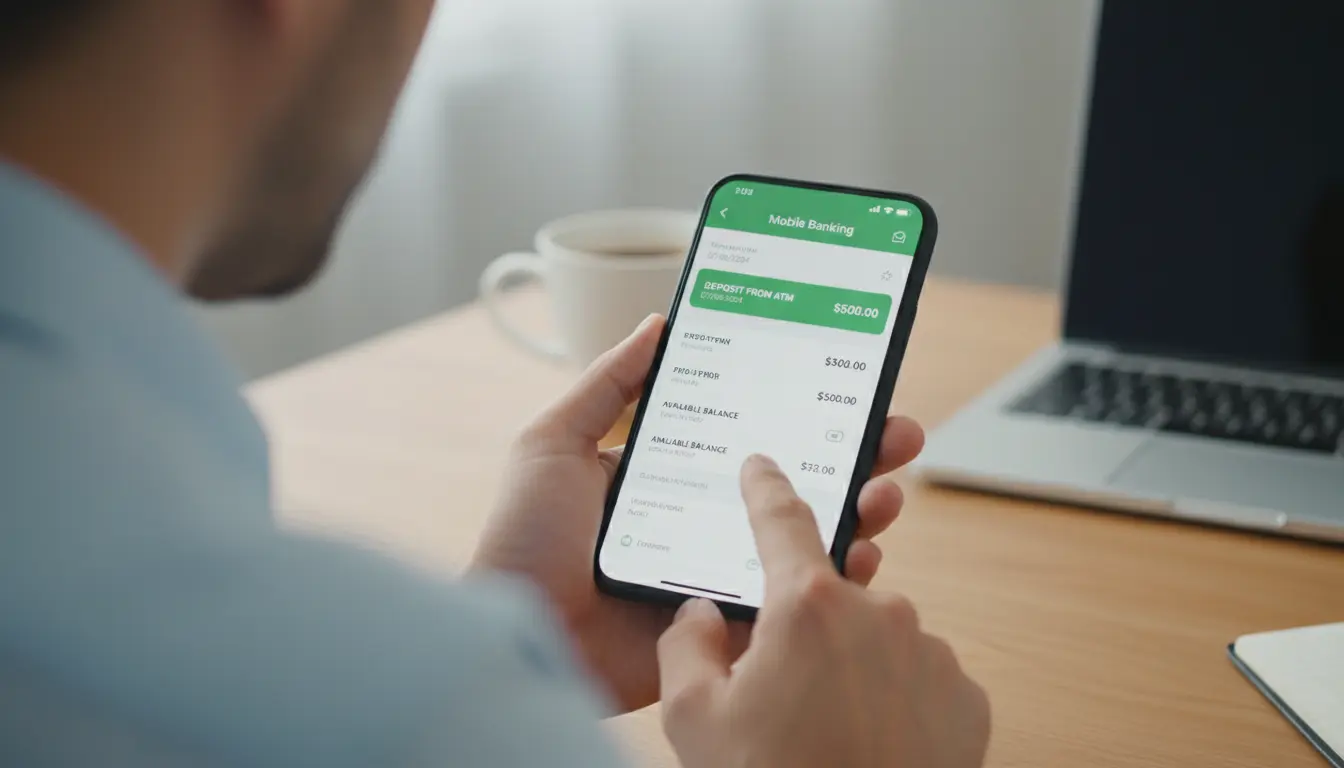
IRS Approves $2000 Direct Deposit for February 2026: Overview
The IRS has approved a one-time $2,000 direct deposit payment scheduled for February 2026. This article explains who qualifies, when payments will go out, and actionable IRS instructions to confirm or update your payment details.
Why this payment matters
Federal direct deposits are the fastest way to receive government payments. The $2,000 payment aims to reach eligible recipients quickly, using the IRS’s existing payment rails.
Who is eligible for the $2000 direct deposit

Eligibility rules determine who will receive the February 2026 deposit. The IRS uses recent tax return data and program rules to identify recipients.
- Individuals who meet income and filing criteria set by the legislation or program.
- Tax filers with active direct deposit information on file with the IRS.
- People enrolled in qualifying federal assistance programs, if the program includes the payment.
Not everyone who receives a tax refund or credit will necessarily qualify. Check the IRS guidance for the precise income thresholds and qualifying conditions.
Payment dates and timing for February 2026
The IRS has scheduled direct deposit transmissions in batches during February 2026. Exact dates can vary by taxpayer group and bank processing times.
- Main batches: early, mid, and late February 2026.
- Bank posting times may add one to three business days after IRS transmission.
- Paper checks (if used) will arrive later than direct deposits.

If you expect the payment and do not see it by the end of February, follow the checking steps below.
IRS Instructions: How to check payment status
Use the IRS online tools first. They provide the quickest status updates for approved payments and deposit dates.
- Visit the IRS official website and find the payment status tool.
- Enter required details like your Social Security number, filing status, and exact refund amount (if applicable).
- Review the status message for scheduled deposit date or next steps.
Keep your personal information secure. Only use the IRS site or verified state portals for status checks.
What to do if the tool shows no payment scheduled
- Confirm you filed a qualifying return or enrolled in the qualifying program.
- Check whether your direct deposit information is on file with the IRS.
- Contact the IRS only after reviewing site guidance and waiting at least one full payment cycle.
How to update direct deposit information

If you need to add or change bank details, do it as soon as possible. The IRS accepts updates for certain programs but may not accept changes close to payment transmission.
Options to update:
- Update bank details on your most recent tax return (if filing season is open).
- Use the IRS online account tools to add or verify direct deposit information when available.
- If you receive payments via a federal benefits portal (for example, Social Security), update details there.
Remember: late changes may not affect an imminent payment.
What to do if you don’t receive the $2000 deposit
If the payment date passes and you see no deposit, follow a short troubleshooting checklist to narrow the issue.
- Confirm your bank account on file and check recent IRS messages.
- Look for bank notices or returned deposit alerts from your financial institution.
- Wait an additional two business days for interbank processing delays.
If no resolution appears, contact the IRS using the official phone numbers listed on irs.gov. Prepare tax return data and identification when you call.
Small real-world example
Case study: Maria, a single filer, expected the $2,000 deposit. She checked the IRS payment tool and saw a scheduled deposit for February 10. Her bank credited the funds February 11 due to end-of-day processing. When a friend with older direct deposit info had no deposit, updating the bank through their Social Security account fixed future payments but not the February batch.
Direct deposits are often posted by banks once they receive the transmission from the IRS. Posting times vary; some banks post only during business hours and may delay deposits to the next business day.
Key takeaways and quick action checklist
- Confirm eligibility by reviewing IRS guidance and your recent tax filings.
- Use the IRS payment tool to check scheduled deposit dates.
- Update direct deposit details early if you need changes.
- Expect banking delays of one to three business days after an IRS transmission.
- Contact the IRS only after confirming your information and allowing for processing time.
Where to find official information
Always use irs.gov for official instructions and tools. Be cautious of third-party sites promising faster status or guaranteed release dates.
Following these steps will help you confirm eligibility and prepare for the $2,000 direct deposit in February 2026. Keep records of your IRS communications and bank statements until you see the deposit completed.