
Indoor Herb Garden Care Basics
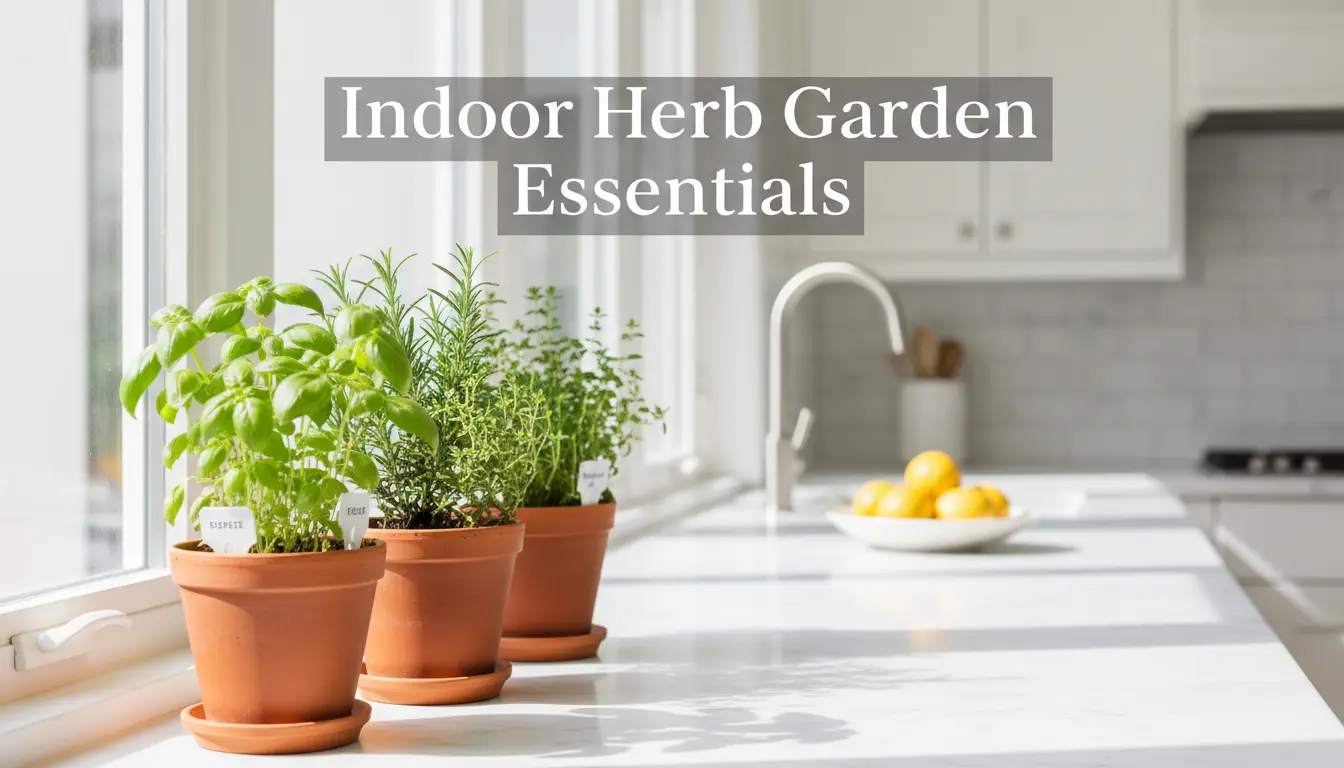
Growing herbs indoors is rewarding and practical. With the right care, common herbs like basil, parsley, mint, and rosemary thrive on a windowsill.
This guide explains indoor herb garden care in clear steps you can use today. Follow these basics to reduce common problems and boost plant health.
Choose the Right Herbs for Indoor Garden Care

Start with herbs that tolerate lower light and indoor temperatures. Good beginner choices include basil, chives, parsley, mint, and oregano.
Avoid extremely large or woody herbs unless you have a lot of space and bright light, such as certain varieties of sage and bay laurel.
Lighting for Indoor Herb Garden Care
Light is the most important factor for indoor herbs. Most culinary herbs need 6–8 hours of bright light daily to stay productive.
Place herb pots on a south- or west-facing windowsill when possible. If natural light is limited, use a grow light for 8–12 hours per day.
- Bright light herbs: basil, thyme, rosemary.
- Moderate light herbs: parsley, cilantro, mint.
- Low light herbs: chives can tolerate less direct sun.
Soil and Containers for Indoor Herb Garden Care
Use a well-draining potting mix designed for containers. Avoid garden soil, which can compact and hold too much moisture.
Choose containers with drainage holes to prevent root rot. A 4–8 inch pot is ideal for a single herb, while a larger container works for mixed plantings.
Soil Tips
Use a mix of peat or coco coir, perlite, and compost for moisture retention and aeration. Refresh the top inch of soil each season and repot when roots outgrow the container.
Watering Schedule for Indoor Herb Garden Care
Watering frequency depends on pot size, soil mix, and light. As a rule, water when the top inch of soil feels dry to the touch.
Water thoroughly until excess drains from the bottom, then discard the runoff. Overwatering is the most common indoor herb problem.
- Small pots: check every 2–3 days.
- Larger pots: check every 4–7 days.
- Use a moisture meter if unsure.
Feeding and Fertilizer for Indoor Herb Garden Care
Herbs in containers need regular feeding because nutrients wash out with watering. Use a balanced liquid fertilizer or slow-release pellets.
Feed lightly every 4–6 weeks during the active growing season. Too much fertilizer can reduce flavor in some herbs, so err on the conservative side.
Organic Options
Compost tea or diluted fish emulsion are good organic liquid feeds. Apply at half the recommended strength to avoid burning delicate roots.
Pruning and Harvesting for Indoor Herb Garden Care
Regular pruning keeps herbs bushy and productive. Pinch back the tips to encourage branching and delay flowering for leaf production.
Harvest no more than one-third of the plant at a time. Use clean scissors and harvest in the morning for best flavor.
Pest and Disease Management in Indoor Herb Garden Care
Common pests include aphids, spider mites, and fungus gnats. Inspect plants weekly and act quickly if you see insects or sticky residue.
Use insecticidal soap or neem oil for small infestations. Improve air circulation and avoid overwatering to reduce fungal problems.
Quick Prevention Checklist
- Use clean pots and fresh soil for new plants.
- Quarantine new arrivals for 1–2 weeks.
- Keep humidity moderate and air moving with a small fan if needed.
Many herbs have stronger flavor when slightly stressed by less water and slightly reduced fertilizer. Controlled stress can increase essential oils and flavor intensity.
Seasonal Care and Overwintering for Indoor Herb Garden Care
Indoor herbs still respond to seasonal changes. In winter, reduce watering and keep plants away from cold drafts.
Increase light with supplemental grow lights during short days. Rotate pots weekly for even growth and pruning to maintain shape.
Simple Maintenance Schedule for Indoor Herb Garden Care
- Daily: Check light and rotate pots as needed.
- Every 2–4 days: Check soil moisture and water when top inch is dry.
- Monthly: Feed with a diluted liquid fertilizer.
- Seasonally: Repot or refresh soil and inspect for pests.
Real-World Example: Small Café Herb Shelf
A local café started a three-shelf herb station to reduce waste and supply fresh garnishes. They planted basil, mint, and chives in 6-inch pots under LED grow strips.
Using a weekly check and light pruning, the café reduced produce costs by 15% and improved garnish freshness. Consistent watering and a simple fertilizer routine kept plants productive year-round.
Final Tips for Indoor Herb Garden Care
Start small and learn each herb’s preferences. Track light, water, and feeding to spot patterns and adjust care.
With consistent attention and simple routines you can enjoy fresh herbs year-round and improve both flavor and kitchen sustainability.