
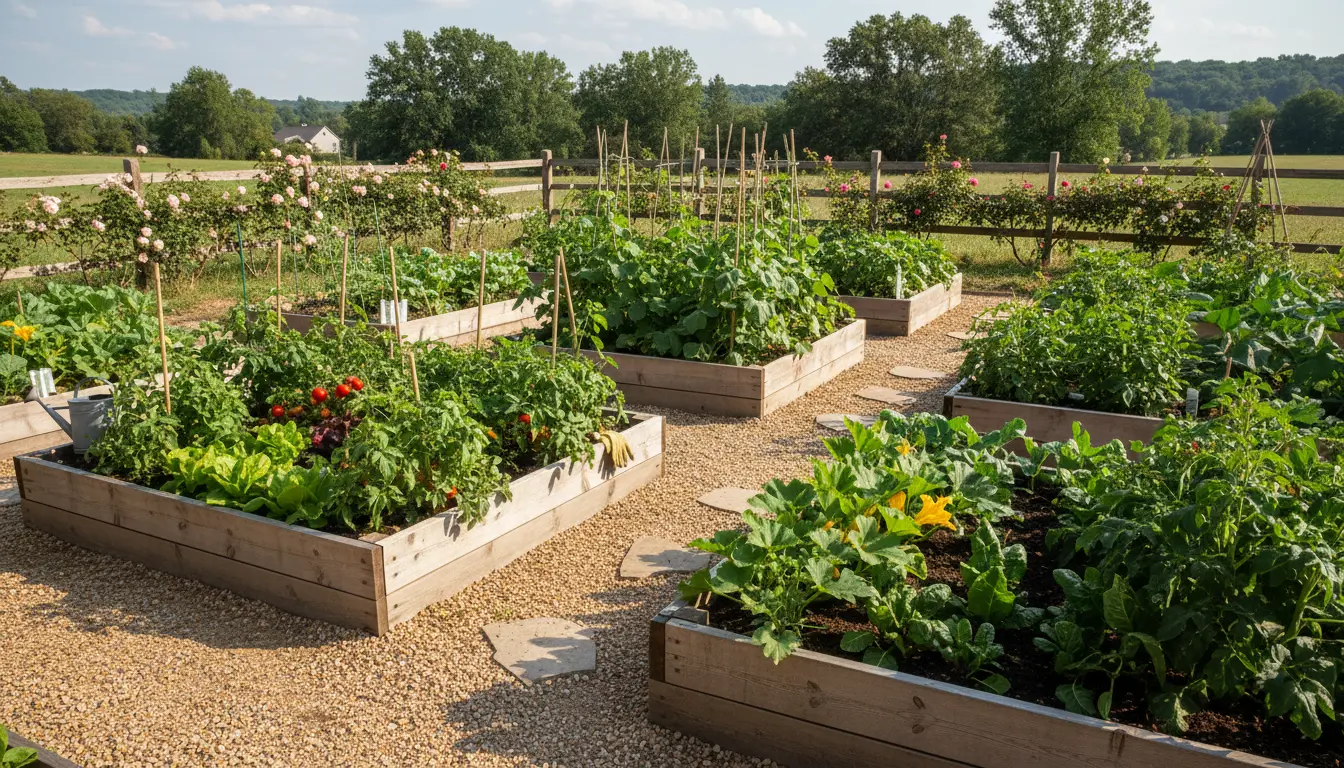
Starting a vegetable garden can be straightforward with a plan and basic skills. This guide breaks down the essential steps to start and maintain a productive home vegetable garden.
Why start a vegetable garden
Growing vegetables at home gives you fresher produce, lower grocery bills, and a hands-on way to control what goes into your food. Even a small space can yield herbs, salad greens, and seasonal vegetables.
Gardening also improves mental health and gets you outdoors for light exercise. Planning ahead makes the process manageable for beginners.
Planning your vegetable garden
Good planning sets expectations and reduces wasted time and effort. Decide on location, size, and what you want to harvest before buying supplies.
Choosing location for your vegetable garden
Pick a spot with at least 6 hours of sunlight for most vegetables. Consider accessibility to water and how close it is to your kitchen for easy harvesting.
Shade, slopes, and strong winds affect which crops will thrive. If you lack sun, focus on leafy greens and herbs that tolerate partial shade.
Selecting vegetables for beginners
Start with easy crops that offer quick rewards and low maintenance. Good beginner choices include:
- Leafy greens: lettuce, spinach, arugula
- Root crops: radishes, carrots (in deep, loose soil)
- Tomatoes: determinate varieties for containers
- Peppers and green beans
- Herbs: basil, parsley, chives
Choose varieties labeled ‘fast’ or ‘beginner friendly’ and match them to your climate and season.
Soil and beds for a healthy vegetable garden

Soil quality is the most important factor for a successful vegetable garden. Good structure and nutrients support root growth and water retention.
Soil test and amendment
Get a simple soil test kit or send a sample to a local extension office. Tests reveal pH and nutrient levels so you can correct deficiencies.
Amend soil with compost to improve organic matter. For heavy clay, add coarse sand and compost. For sandy soil, use more compost to increase water retention.
Raised beds vs in-ground garden
Raised beds warm faster in spring and give better drainage. They are ideal for poor native soil or small yards. In-ground beds work well when soil is naturally fertile and well-draining.
Raised beds are easier on your back and allow you to control soil mix precisely. Aim for beds 12 to 18 inches deep for most vegetables.
Planting and care in your vegetable garden
Timing matters. Plant according to your local frost dates and the specific needs of each crop. Use seed packets or plant tags as guides.
Watering and fertilizing
Consistent moisture is crucial. Water deeply and less frequently to encourage deep roots. Early morning watering reduces disease risk.
Use a balanced organic fertilizer at planting and side-dress with compost or a low-nitrogen feed as plants grow. Avoid overfertilizing leafy crops if you aim for fruit production.
Pest control basics for a vegetable garden
Start with prevention: clean beds, crop rotation, and companion planting reduce pests. Inspect plants regularly for early signs of problems.
Use physical barriers like row covers for insects, hand-pick larger pests, and apply organic controls such as neem oil or insecticidal soap when needed.
Seasonal calendar and maintenance
Prepare a simple calendar of planting dates, harvest windows, and maintenance tasks. Rotate crops each season to reduce disease buildup.
- Spring: sow cool-season crops and prepare beds
- Summer: water deeply, mulch to conserve moisture, harvest frequently
- Fall: plant cover crops or fall greens, remove spent plants
- Winter: replenish soil with compost, plan next season
Small case study: From balcony to harvest in six months
Maria, an apartment dweller, converted a 6-foot balcony into a productive vegetable garden using three 16-inch deep containers. She picked compact tomato varieties, basil, lettuce, and a pole bean for vertical space.
After six months, Maria harvested daily salad greens, two tomato harvests, and consistently snipped herbs for cooking. Her initial outlay was under $150, and she regained the cost in store-bought herbs and tomatoes within one season.
This example shows scale matters less than consistent care, proper containers, and choosing suited varieties.
Some varieties of lettuce and spinach can be harvested within 30 days of sowing, making them ideal for first-time gardeners who want quick results.
Quick start checklist to start a vegetable garden
- Choose a sunny location and measure available space.
- Decide between raised beds, containers, or in-ground planting.
- Test soil or select a good quality potting mix for containers.
- Pick 3 to 6 easy vegetables and check planting dates for your area.
- Prepare compost and basic tools: trowel, watering can, pruning shears.
- Plant, mulch, and set a watering schedule. Inspect weekly for pests.
Starting small and learning one season at a time keeps gardening fun and productive. Use local extension services, seed packet instructions, and community groups for regional advice.
Begin now with a single box or a few containers. With planning and routine care, you can harvest fresh vegetables and learn skills that scale to any garden size.