
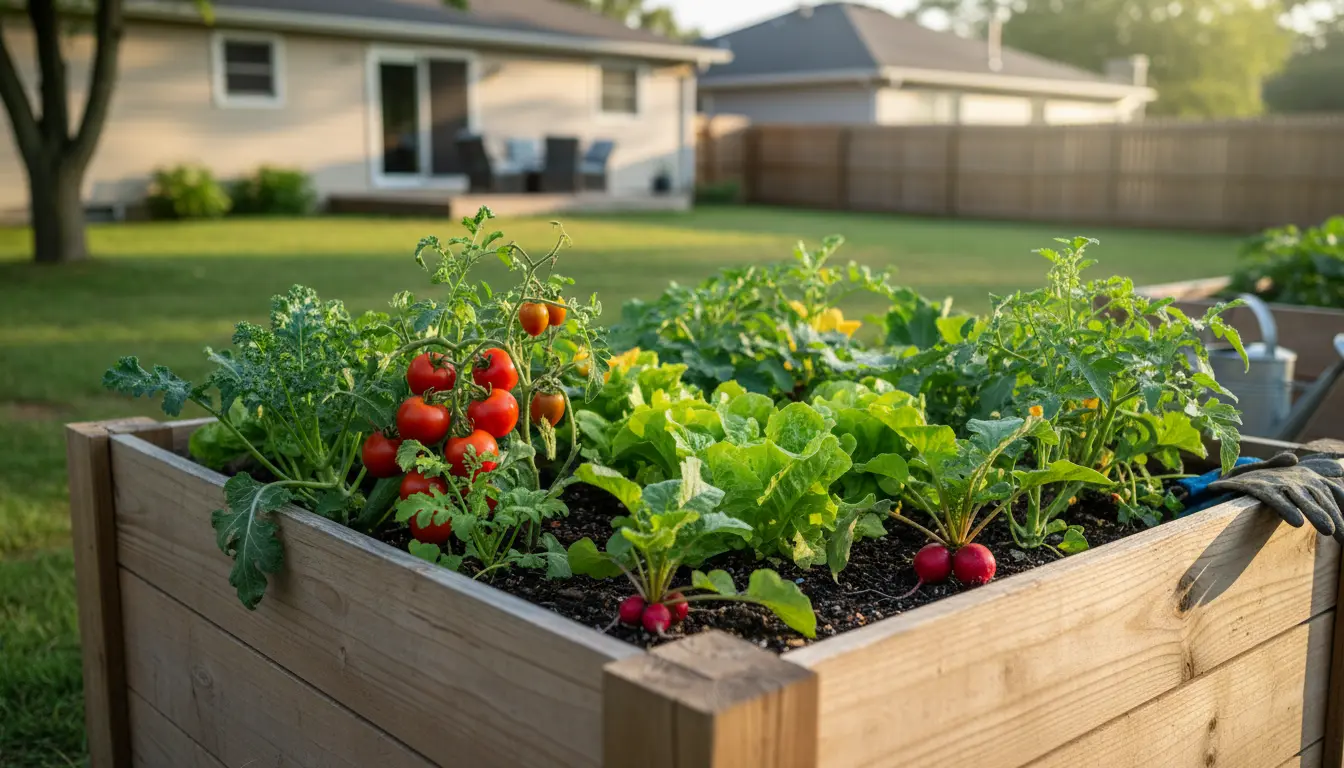
How to Start a Vegetable Garden: First Steps
Starting a vegetable garden is a practical project that gives reliable returns when planned correctly. This guide covers the basic steps to help beginners establish a productive vegetable garden.
Decide What You Want to Grow
Choose vegetables you and your household will eat. Focus on a small list of easy-to-grow crops if this is your first garden.
- Good beginner vegetables: tomatoes, lettuce, radishes, beans, zucchini.
- Consider seasonality: cool-season vs warm-season crops.
- Start with fast crops to see results and stay motivated.
Choose a Location to Start a Vegetable Garden

Select a spot with at least 6 hours of sunlight for most vegetables. Check for water access and good drainage before you begin.
Avoid areas near large trees where roots will compete for nutrients and water.
Soil Preparation When You Start a Vegetable Garden
Soil quality is the foundation of a productive garden. Good soil drains well yet holds moisture and nutrients.
Test and Improve Your Soil

Start with a simple soil test to check pH and basic nutrients. Many local extension services offer inexpensive tests.
- If pH is low (acidic), add lime to raise it.
- If pH is high (alkaline), add sulfur or organic matter to lower it.
- Add compost to improve texture and fertility.
Choose Bed Type
Decide between in-ground beds, raised beds, or containers based on your space and access. Raised beds warm faster in spring and reduce soil compaction.
Planting: How to Start a Vegetable Garden with Seeds and Seedlings
Planting method depends on the crop and your climate. Some crops do better started indoors, others are sown directly.
Sowing Seeds vs Transplants
Sow cool-season crops like peas and radishes directly into the soil. Warm-season plants like tomatoes often perform better when started indoors and transplanted after frost risk passes.
- Follow seed packet depth and spacing recommendations.
- Harden off seedlings for a week before transplanting them outdoors.
Basic Planting Pattern
Use simple rows or square-foot planting to manage space efficiently. Allow room for airflow to reduce disease risk.
Watering and Fertilizing Your Vegetable Garden
Consistent water and appropriate nutrients are key to healthy plants. Both under- and over-watering cause stress and reduce yields.
Practical Watering Tips
Water deeply and less frequently to encourage deep roots. Morning watering reduces evaporation and leaf wetness overnight.
- Install a soaker hose or drip irrigation for efficiency.
- Mulch around plants to retain moisture and suppress weeds.
When to Fertilize
Apply a balanced fertilizer at planting and again according to crop needs. Leafy greens need more nitrogen while fruiting crops benefit from phosphorus and potassium.
Pest, Disease, and Weed Management
Good garden health starts with prevention. Monitor plants regularly and act early when problems appear.
Integrated Pest Control
Use a mix of cultural, mechanical, and biological controls before turning to chemicals. Crop rotation and removing diseased plants reduce long-term issues.
- Handpick large pests like slugs and caterpillars.
- Use row covers to protect young plants from insects.
- Encourage beneficial insects such as ladybugs and parasitic wasps.
Harvesting and Ongoing Care
Harvest regularly to encourage continued production. Know each vegetable’s signs of readiness to pick at peak flavor.
Season Extension
Use simple tools like cold frames, cloches, or row covers to extend the growing season in spring and fall. Succession planting also keeps harvests steady.
Legumes such as beans and peas fix nitrogen in the soil, reducing the need for synthetic fertilizers when rotated with other crops.
Example Planting Timeline
- Early spring: prepare beds and sow peas and radishes.
- Late spring: transplant tomatoes and peppers after last frost.
- Summer: succession-plant lettuce and herbs for continuous harvest.
Case Study: Small Urban Vegetable Garden
Maria transformed a 10-foot x 6-foot backyard area into three raised beds in her first year. She chose tomatoes, bush beans, and leaf lettuce.
By testing soil and adding compost, she improved drainage and fertility. With drip irrigation and weekly checks for pests, her beds produced enough salad greens for the family and surplus tomatoes for canning.
Key outcomes: modest upfront effort, steady harvests, and improved confidence to expand next season.
Common Mistakes to Avoid When You Start a Vegetable Garden
- Planting too much at once—start small and expand.
- Ignoring soil health—regular compost makes a big difference.
- Overwatering young plants—favor deep, infrequent watering.
Final Checklist Before You Start a Vegetable Garden
- Choose a sunny location with water access.
- Test and improve soil with compost.
- Select a few easy crops and plan planting dates.
- Set up simple irrigation and mulch beds.
- Monitor, harvest, and enjoy the learning process.
Starting a vegetable garden is an achievable project for most people. With basic planning, soil care, and consistent maintenance, even a small area can yield fresh, healthy vegetables season after season.