
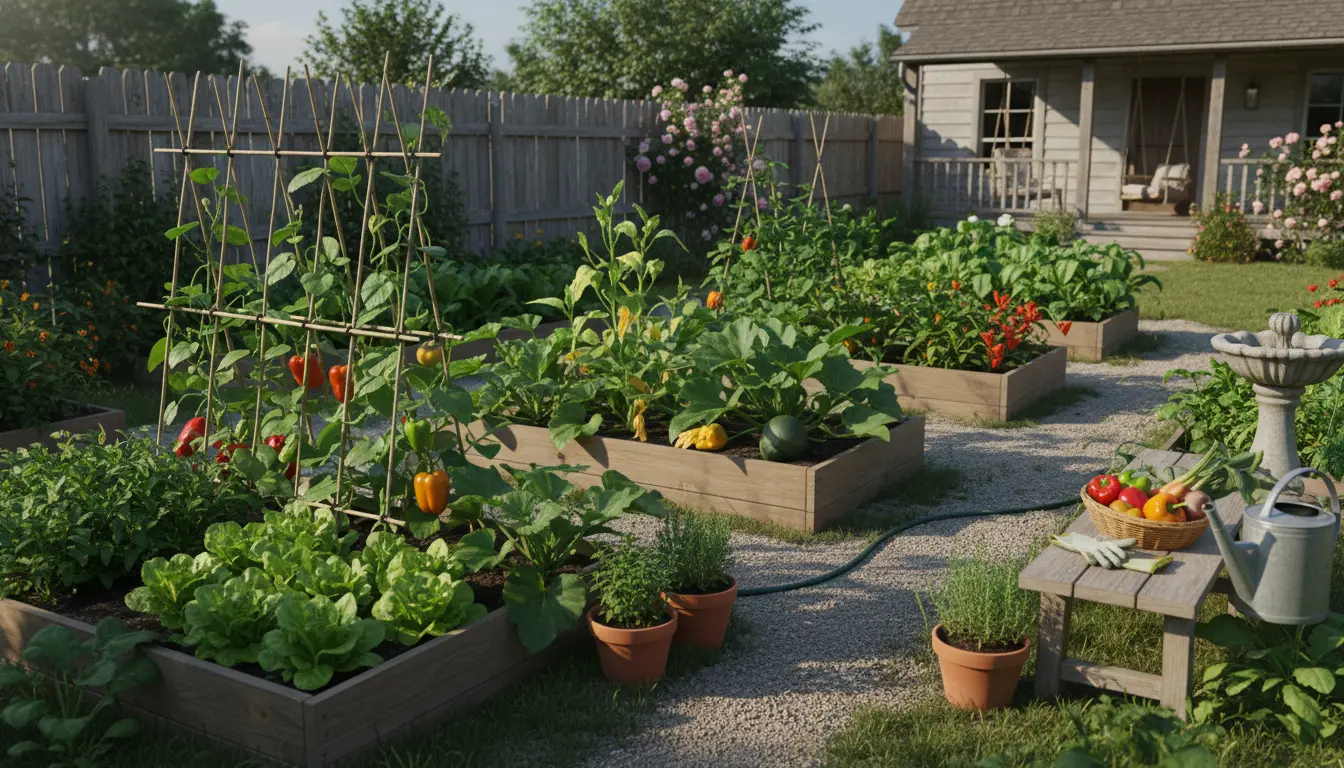
Starting a vegetable garden is a rewarding way to grow fresh food and learn basic outdoor skills. This guide gives clear, practical steps to help you start a vegetable garden successfully, even with limited space.
How to start a vegetable garden: Choose the right site
Pick a location that gets at least 6 hours of direct sunlight per day. Most vegetables need full sun to produce well.
Also consider access to water, protection from strong winds, and convenient proximity to your home for regular care.
How to start a vegetable garden: Assess space and layout
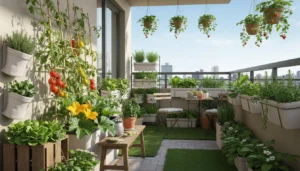
Decide between in-ground rows, raised beds, or containers. Each option fits different spaces and budgets.
Raised beds and containers warm faster and drain better, which helps beginners get faster results.
How to start a vegetable garden: Plan what to grow

Select vegetables you and your family like to eat to stay motivated through the season. Start with easy crops such as lettuce, radishes, beans, and tomatoes.
Consider companion planting and crop rotation early to reduce pests and maintain soil health.
How to start a vegetable garden: Create a planting calendar
Check your local last frost date and plan planting times for cool-season and warm-season crops. A simple calendar reduces mistakes and wasted seeds.
Use seed packets or local extension service guides as references for spacing and days to maturity.
How to start a vegetable garden: Prepare the soil
Good soil is the most important factor for success. Test soil if possible to check pH and nutrient levels.
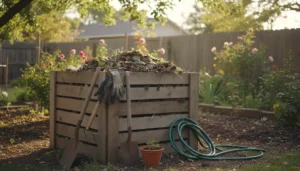
Amend soil with compost and organic matter to improve structure and fertility. Aim for a crumbly texture that holds moisture but drains well.
How to start a vegetable garden: Soil preparation steps
- Clear grass and weeds from the planting area.
- Loosen soil to at least 6–8 inches for vegetables, deeper for root crops.
- Mix in 2–3 inches of compost or well-rotted manure and a balanced organic fertilizer if needed.
How to start a vegetable garden: Planting and spacing
Follow recommended spacing on seed packets to avoid overcrowding. Overcrowded plants struggle for light and nutrients.
Start with transplants for long-season crops like tomatoes and peppers and direct sow quick crops like beans and radishes.
How to start a vegetable garden: Watering and mulching
Water deeply and less frequently to encourage strong root systems. Aim for consistent moisture, especially during germination and fruit set.
Apply mulch to conserve moisture, reduce weeds, and stabilize soil temperature.
How to start a vegetable garden: Maintenance and pest control
Regular tasks include watering, weeding, and inspecting plants for pests or disease. Small, frequent checks prevent problems from growing.
Use integrated pest management: hand-pick pests, use row covers, encourage beneficial insects, and apply targeted organic controls if needed.
How to start a vegetable garden: Common troubleshooting
- Yellow leaves: check watering and nutrient levels.
- Poor flowering or fruiting: ensure full sun and correct fertilization.
- Pest damage: identify pest and choose a suitable control method.
How to start a vegetable garden: Harvesting and succession planting
Harvest vegetables at peak ripeness for best flavor and to encourage further production. Pick regularly to avoid overripening.
Practice succession planting: sow a new round of quick crops to extend your harvest through the season.
Planting marigolds near tomatoes can reduce certain soil nematodes and attract pollinators. Simple companion plants can improve yields without chemicals.
Small real-world example: Backyard starter bed
Case study: A family converted a 4×8 foot unused lawn strip into a raised bed. They filled it with equal parts compost, topsoil, and peat-free potting mix.
They planted lettuce, bush beans, cherry tomatoes, and basil. By following watering and mulching routines, they harvested fresh salads and doubled their savings on produce within the first season.
How to start a vegetable garden: Quick checklist
- Select a sunny site with water access.
- Choose a bed type and plan your layout.
- Test and amend soil with compost.
- Plant appropriate seeds or transplants and follow spacing.
- Water consistently and mulch to retain moisture.
- Monitor pests and harvest regularly.
Starting a vegetable garden is a step-by-step process that rewards planning and simple daily care. Use this guide as a checklist, adapt to local conditions, and enjoy the learning process.