
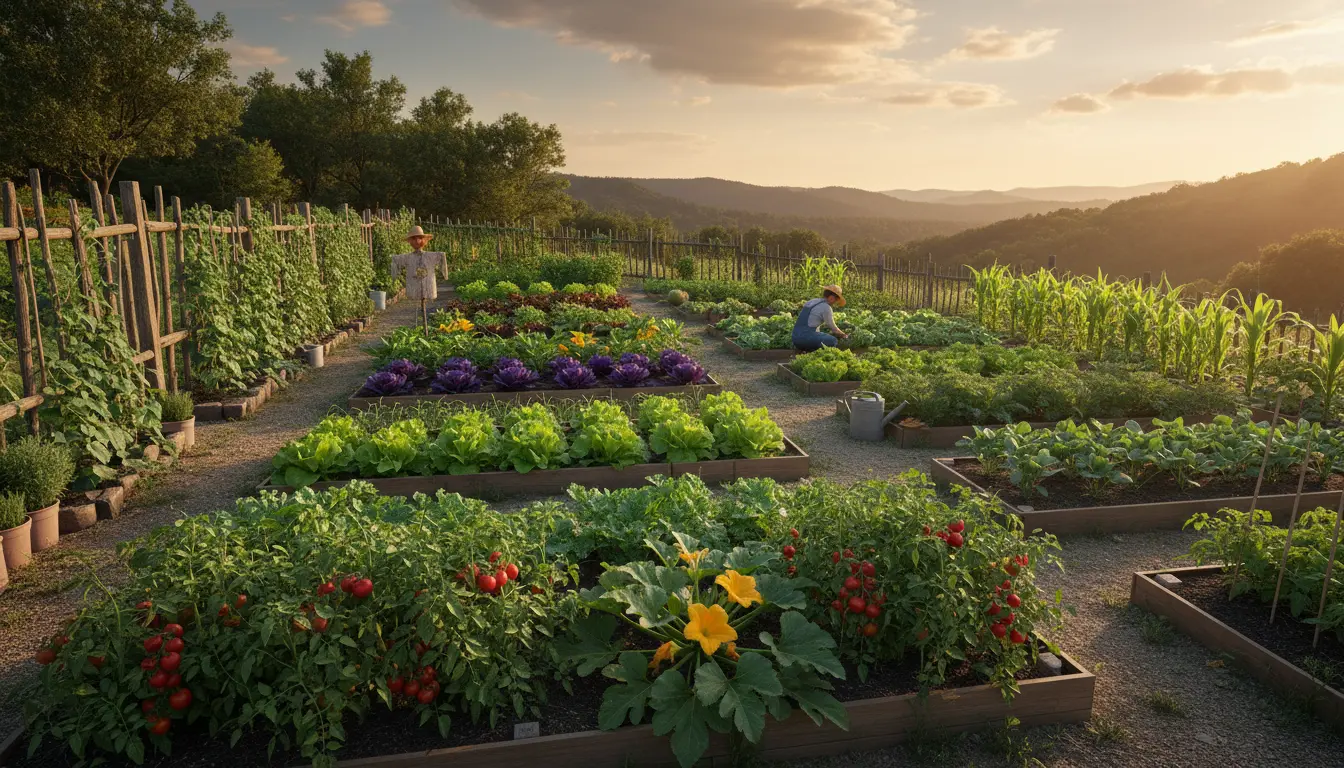
Start a Vegetable Garden: Quick Overview
Starting a vegetable garden is a practical way to grow fresh food, save money, and enjoy outdoor exercise. This guide gives clear steps you can follow, whether you have a balcony, small yard, or a few raised beds.
Start a Vegetable Garden: Plan Before You Plant
Good planning reduces wasted time and plants. Begin by choosing location, space, and the types of vegetables you want to grow.
Choose the Right Site
Select a spot that gets at least 6 hours of direct sunlight for most vegetables. Consider proximity to water and ease of access for maintenance.
Decide on Garden Type
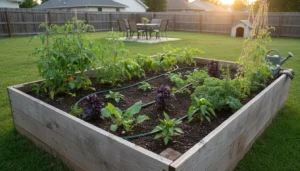
Options include in-ground beds, raised beds, containers, or vertical systems. Pick based on soil quality, space, and budget.
- Raised beds: good drainage and soil control.
- Containers: ideal for balconies and patios.
- In-ground: lower upfront cost but needs soil improvement.
Start a Vegetable Garden: Test and Improve Soil
Healthy soil is the foundation of a productive garden. Testing tells you pH and nutrient needs so you can amend correctly.
Soil Testing and Basic Amendments
Use a home test kit or send a sample to a local extension service. Typical fixes include adding compost, lime, or balanced fertilizer based on results.
Work in 2–4 inches of compost to improve structure and fertility. For heavy clay, add gypsum and coarse sand if needed. For sandy soil, add compost and well-rotted manure to retain moisture.
Start a Vegetable Garden: Select Vegetables
Choose easy-to-grow varieties for your climate and season. Start with high-reward, low-maintenance crops to build confidence.
- Cool-season: lettuce, spinach, radishes, peas.
- Warm-season: tomatoes, peppers, cucumbers, beans.
- Herbs: basil, parsley, chives grow well and are forgiving.
Check seed packets or plant tags for days to maturity to fit your growing season.
Start a Vegetable Garden: Planting and Spacing
Follow planting depth and spacing on seed packets or plant labels. Proper spacing reduces disease and gives plants room to mature.
Succession Planting
To maximize yield, stagger plantings every 2–3 weeks for quick crops like lettuce and radish. This keeps the harvest steady rather than one large glut.
Start a Vegetable Garden: Watering and Mulching
Consistent moisture is critical, especially during germination and fruiting. Water deeply and less frequently to encourage strong roots.
- Water in the morning to reduce evaporation and fungal risk.
- Use drip irrigation or soaker hoses for efficiency.
- Mulch with straw, wood chips, or compost to keep soil cool and retain moisture.
Start a Vegetable Garden: Simple Pest and Disease Control
Use integrated pest management: monitor, remove pests by hand, and encourage beneficial insects. Avoid broad-spectrum insecticides when possible.
Common Practices
- Rotate crops yearly to reduce soil-borne disease.
- Install row covers to protect young plants from insects and birds.
- Remove diseased foliage immediately and dispose of it away from the garden.
Start a Vegetable Garden: Maintenance Tasks
Regular maintenance keeps your garden productive. Tasks include weeding, staking, pruning, and monitoring for nutrient needs.
- Weed weekly to reduce competition for nutrients.
- Stake tall plants like tomatoes and pole beans early.
- Side-dress with compost or a light fertilizer during mid-season if growth slows.
Start a Vegetable Garden: Harvesting and Storage
Harvest vegetables at their peak for best flavor and nutrition. Frequent harvesting often encourages more production.
- Leafy greens: harvest outer leaves and let the plant regrow.
- Tomatoes and peppers: pick when fully colored.
- Beans and peas: harvest regularly to encourage new pods.
Small Case Study: One Raised Bed, One Season
Case: Laura in Austin started a 4×8 raised bed in spring. She amended soil with compost, planted tomatoes, basil, lettuce, and bush beans.
Results: With drip irrigation and weekly checks, she harvested tomatoes for three months and had continuous lettuce from succession planting. Pest issues were minor and managed by handpicking and row covers.
Takeaway: Small, focused efforts and consistent watering produced steady yields and low stress.
Many common garden vegetables perform best with slightly acidic soil, around pH 6.0 to 6.8. A simple soil test costs little and can boost yields significantly.
Start a Vegetable Garden: Troubleshooting and Tips
If plants are yellowing or stunted, check for overwatering, compacted soil, or nutrient deficiency. Review watering schedule and soil structure first.
- If seedlings fail to emerge, check depth and soil moisture.
- If pests are numerous, try sticky traps or introduce beneficial predators like ladybugs.
- If yield is low, rotate crops next season and refresh soil with compost.
Keeping a simple garden journal with planting dates, varieties, and notes about pests or weather helps improve results each year.
Start a Vegetable Garden: Final Practical Checklist
- Choose a sunny site near water.
- Test soil and add compost.
- Pick easy crops suited to your season.
- Plant at the correct depth and spacing.
- Water deeply, mulch, and monitor pests.
- Harvest regularly and record results.
With these practical steps, you can start a vegetable garden that fits your space and lifestyle. Begin small, learn each season, and expand as you gain confidence.