
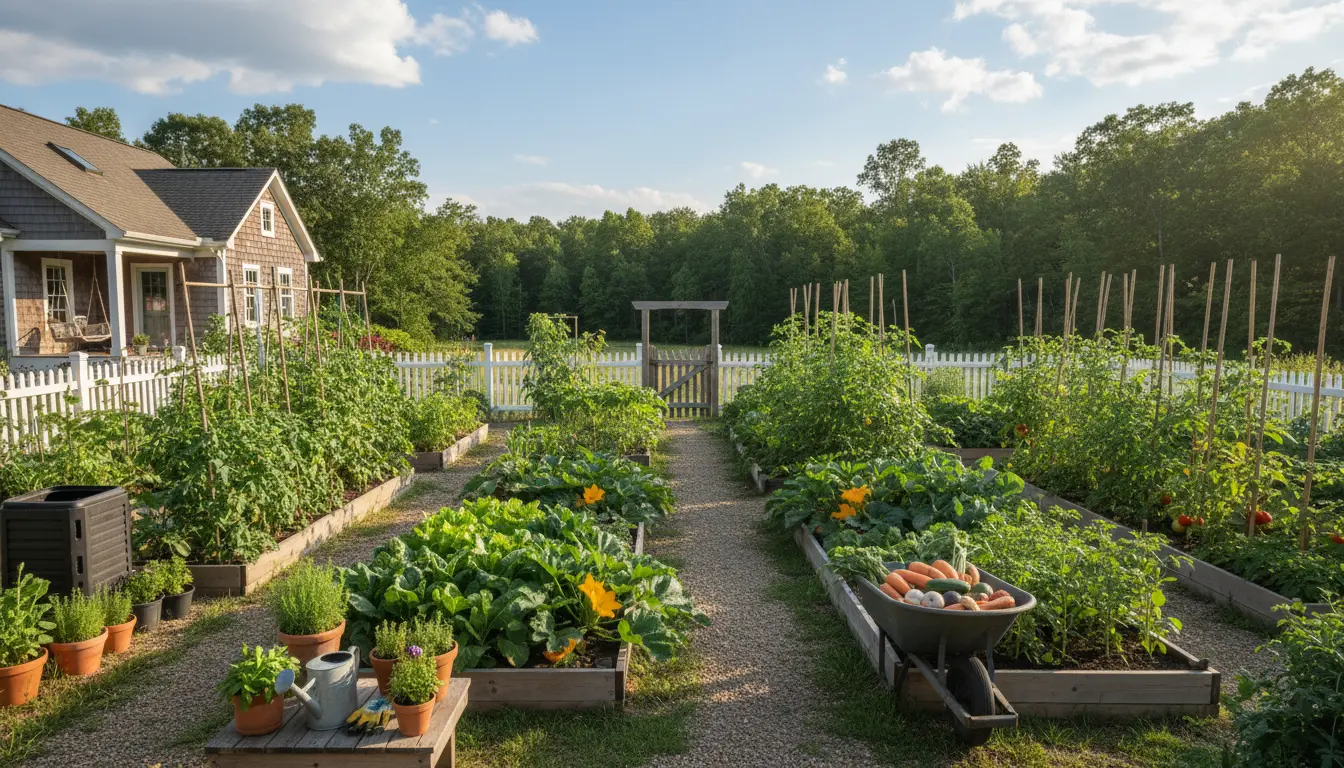
Getting started with how to start a vegetable garden
Starting a vegetable garden is a manageable project whether you have a backyard, balcony, or a few containers. This guide explains clear, practical steps to get plants growing and producing food efficiently.
Plan before you plant: Key decisions
Good planning reduces wasted time and improves yields. Decide on location, size, and what you want to grow before digging or buying soil.
Choose the right location
Most vegetables need at least 6 hours of direct sunlight daily. Observe sun patterns for a few days to pick the best spot.
Consider access to water, wind protection, and proximity to your kitchen for easy harvesting.
Decide on beds or containers
Raised beds and in-ground rows work well for yards. Containers are ideal for patios and balconies. Each has pros and cons for soil depth and watering needs.
- Raised beds: better drainage, easier to control soil quality.
- In-ground: larger area, lower initial cost.
- Containers: flexible location, good for small spaces.
How to start a vegetable garden: Step-by-step soil and planting
Healthy soil is the foundation of a productive vegetable garden. Invest time in soil preparation to reduce problems later.
Test and improve soil
Use a simple soil test kit to check pH and basic nutrients. Most vegetables prefer a pH of 6.0–7.0.
Add compost and organic matter to improve structure and fertility. Work amendments into the top 6–8 inches of soil.
Select vegetables for beginners

Choose easy, productive crops for your first season. These give reliable results and build confidence.
- Leafy greens: lettuce, spinach, Swiss chard
- Root crops: radishes, carrots, beets
- Quick producers: bush beans, cherry tomatoes, zucchinis
Planting, spacing, and timing
Follow seed packet or plant tag spacing to avoid overcrowding, which increases disease risk. Stagger plantings for continuous harvests.
Know your local last frost date. Plant cool-season crops before or just after frost, and warm-season crops after the danger of frost has passed.
Examples of planting timing
- Lettuce and radishes: plant early spring and again in late summer for fall harvest.
- Tomatoes and peppers: transplant outdoors after soil warms and nights are reliably above 50°F (10°C).
Watering and maintenance
Consistent watering is essential. Most vegetables need about 1 inch of water per week, delivered deeply rather than frequently.
Use a soaker hose or drip irrigation to reduce evaporation and keep foliage dry to minimize fungal diseases.
Weeding, mulching, and feeding
Mulch conserves moisture, suppresses weeds, and moderates soil temperature. Use organic mulches like straw or shredded leaves.
Feed plants with balanced organic fertilizer or compost tea based on plant needs. Avoid over-fertilizing leafy crops when you expect fruit production.
Pest and disease basics
Identify issues early by inspecting plants weekly. Many problems are easier to fix when small.
- Handpick larger pests like slugs and caterpillars.
- Use floating row covers to protect seedlings from insects.
- Practice crop rotation and remove infected plants to reduce disease buildup.
Companion planting, such as planting basil near tomatoes, can improve flavor and reduce some pests. Simple pairings are low-cost ways to support plant health.
Harvesting and ongoing care
Harvest regularly to encourage continued production. For many vegetables, picking tips and fruits frequently leads to more yield.
Keep records of planting dates, varieties, and yields to improve next season’s planning.
Small real-world case study
Case study: Sarah converted a 100 sq ft corner of her backyard into three 4×8 raised beds. She planted tomatoes, bush beans, lettuce, and radishes.
Results: In one season she harvested roughly 50 lbs of vegetables. Her yields were highest from staggered plantings of lettuce and continuous pickings of cherry tomatoes.
Lessons learned: Adding 4 inches of compost before planting improved soil moisture retention and reduced watering frequency.
Quick checklist to start a vegetable garden
- Pick a sunny, accessible spot near water.
- Decide on bed type: raised, in-ground, or containers.
- Test and amend soil with compost.
- Choose beginner-friendly vegetables and follow spacing guidelines.
- Set up a simple watering system and mulch beds.
- Inspect plants weekly for pests and disease.
Final tips for beginners
Start small to keep tasks manageable and increase area in future seasons. Learning by doing helps you adapt to local conditions quickly.
Keep expectations realistic: the first season is often about learning what grows best in your spot. With a few seasons of experience, yield and plant health will improve noticeably.