
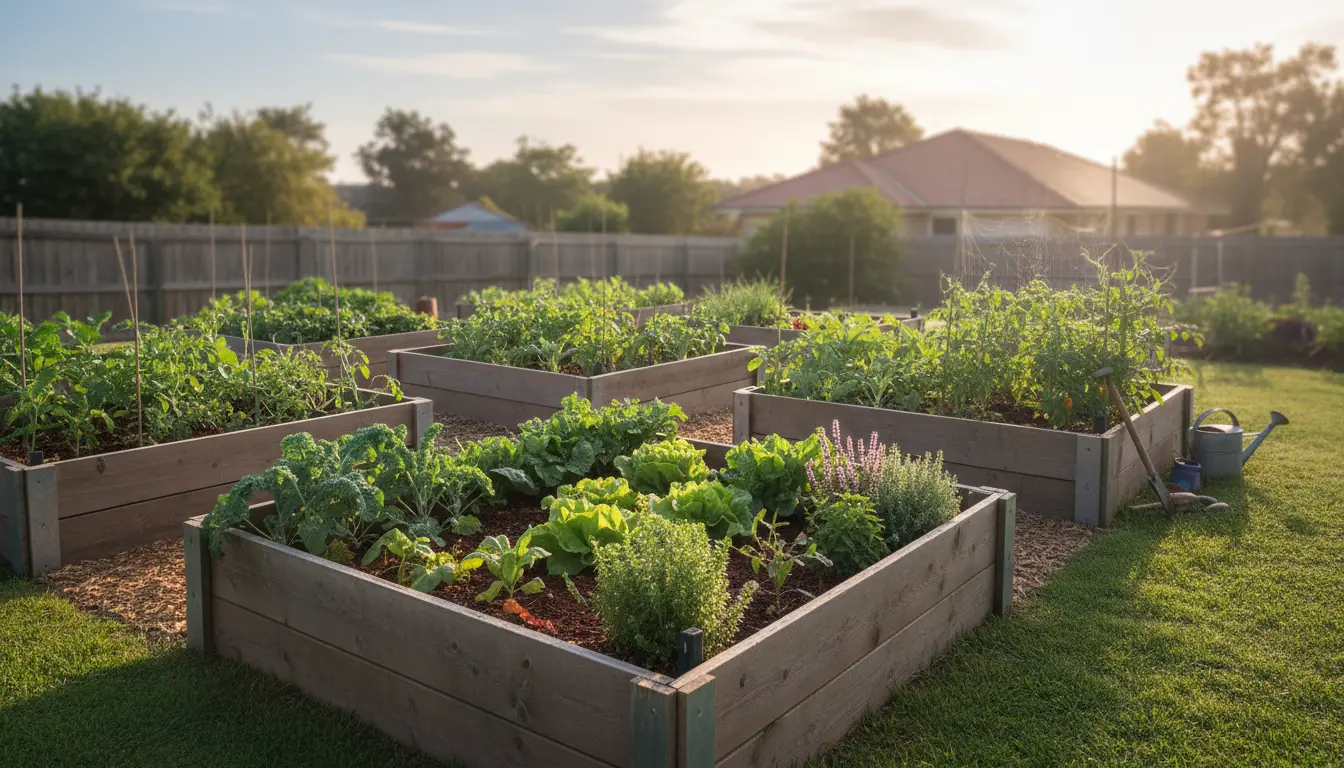
How to Start a Vegetable Garden: Plan Your Space
Starting a vegetable garden begins with a simple plan. Decide what you want to grow and how much time you can spend on maintenance.
Make a basic sketch of the area and list vegetables you eat most. Focus on easy, high-yield crops for your first season.
How to Start a Vegetable Garden: Choosing What to Grow
Pick vegetables that match your climate and season. Tomatoes, lettuce, radishes, and beans are reliable starter crops.
Consider companion planting and staggered sowing to extend harvests and reduce pests.
How to Start a Vegetable Garden: Site and Soil
Good location and soil are critical. Most vegetables need 6–8 hours of direct sun and well-draining soil.

If your yard has poor soil, use raised beds or containers filled with quality mix to control drainage and nutrients.
How to Start a Vegetable Garden: Test and Improve Soil
Test soil pH and texture using a home kit. Aim for pH 6.0–7.0 for most vegetables.
- Add compost to improve fertility and structure.
- Use aged manure or balanced organic fertilizer as needed.
- Work the soil gently; avoid over-tilling which damages structure.
How to Start a Vegetable Garden: Tools and Materials
Gather a few basic tools: spade, hand trowel, garden fork, watering can or hose with nozzle, and gloves.
Consider raised bed frames, quality potting mix, mulch, and row covers for pest control.
Essential Supplies List
- Spade or shovel
- Hand trowel and fork
- Soil test kit
- Compost or well-rotted manure
- Mulch (straw, wood chips, or leaves)
How to Start a Vegetable Garden: Planting and Spacing
Follow seed packet or plant label spacing. Crowding increases disease and reduces yield.
Start seeds indoors for long-season crops, and direct sow fast-maturing crops like radishes and beans.
Planting Tips
- Stagger plantings every 2–3 weeks for continuous harvest.
- Use companion planting to deter pests and improve growth.
- Mark rows and plant dates to track progress.
How to Start a Vegetable Garden: Watering and Maintenance
Consistent water is more important than frequent shallow watering. Aim to wet the root zone deeply 1–2 times per week.
Mulch reduces evaporation, keeps soil cool, and suppresses weeds.
Routine Tasks
- Weed weekly to reduce competition.
- Check plants for pests or disease twice a week.
- Prune and stake as plants grow to keep air flow high.
How to Start a Vegetable Garden: Pest and Disease Basics
Start with prevention: healthy soil, clean tools, and crop rotation. Small problems caught early are easier to fix.
Use physical controls (row covers, hand-picking), biological controls (beneficial insects), and organic sprays only when necessary.
How to Start a Vegetable Garden: Harvesting and Storage
Harvest regularly to encourage more production. Pick vegetables at recommended maturity for best flavor and shelf life.
Store produce properly: cool leafy greens, dry root crops before storage, and refrigerate tender vegetables.
Some vegetables, like lettuce and spinach, will regrow if you cut leaves above the crown, giving you multiple harvests from one planting.
Small Case Study: A Backyard Starter Garden
Sara, a teacher with limited time, started a 4×8 ft raised bed in spring. She planted tomatoes, bush beans, lettuce, and herbs.
By focusing on easy crops, mulching, and weekly 30-minute maintenance, she produced enough vegetables for her family and saved money on groceries.
Key takeaways from her first season: start small, use raised beds for better soil control, and keep a planting calendar.
How to Start a Vegetable Garden: Quick Seasonal Checklist
- Spring: Test soil, start seeds indoors, prepare beds.
- Summer: Mulch, water deeply, harvest often.
- Fall: Collect seeds, add compost, plant cool-season greens.
- Winter: Plan next year, order seeds, repair tools.
First-Year Example Schedule
- March: Prepare beds, sow early lettuce indoors.
- April: Harden off seedlings, plant peas and spinach.
- May: Transplant tomatoes, sow beans.
- July–August: Harvest continuously and plant a fall crop.
Starting a vegetable garden is accessible even with limited time and budget. Plan carefully, improve your soil, and choose crops suited to your climate for the best results.
Keep records, learn from each season, and scale up as you gain confidence.