
Why start a vegetable garden
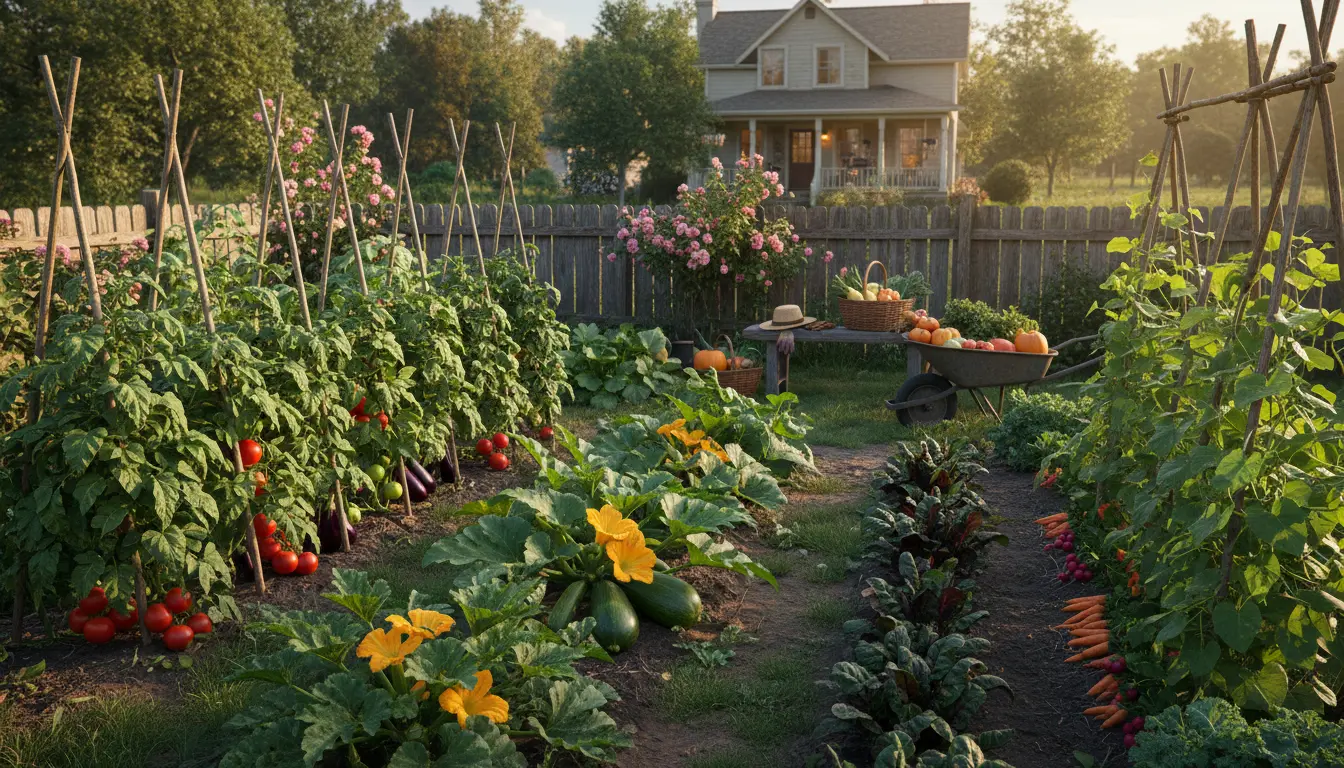
Starting a vegetable garden is a practical way to get fresh produce, save money, and enjoy time outdoors. This guide explains clear steps you can follow to start a vegetable garden whether you have a yard or just a sunny balcony.
Start a vegetable garden: plan before you dig
Good planning reduces wasted effort and increases success. Begin by listing the vegetables you and your household eat most often.
Consider these planning points:
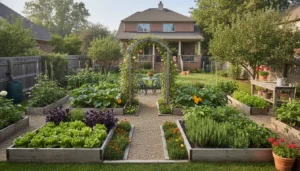
- Space available: raised beds, in-ground rows, or containers.
- Light: most vegetables need 6–8 hours of sun.
- Time and commitment: some crops require more care than others.
Choose crops suited to beginners
To start a vegetable garden choose easy-to-grow plants like lettuce, radishes, tomatoes, green beans, and herbs. These provide quick rewards and teach basic care routines.
Start a vegetable garden: pick the right site
Location matters. Pick a flat area that gets at least six hours of direct sunlight. Avoid low spots that collect water.
Other site tips:
- Close to a water source to make watering easier.
- Near a convenient path to reduce trampling plants while tending them.
- Consider wind protection with fences or hedges if your area is windy.
Soil testing and improvement
Healthy soil is the foundation of a productive garden. Test soil pH and nutrient levels with a home kit or local extension service.
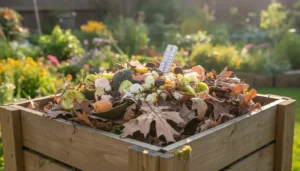
If soil is poor, improve it by adding compost and well-rotted organic matter. Aim for loose, crumbly soil with good drainage.
Start a vegetable garden: design and layout
Design your garden to fit maintenance routines. Raised beds are ideal for small yards and improve drainage and soil control.
Use these layout ideas:
- Rows for in-ground gardens, 18–24 inches between rows for easy access.
- 4×4 or 4×8 raised beds to keep paths short and manageable.
- Vertical supports for vining crops like peas and beans to save space.
Plant selection and timing
Check your local frost dates to time planting. Some vegetables prefer cool weather (lettuce, spinach), while others need warmth (tomatoes, peppers).
Start seeds indoors for slower-maturing crops or buy robust seedlings from a nursery for an easier start.
Start a vegetable garden: planting and care
Plant at the right depth and spacing shown on seed packets or plant tags. Overcrowding reduces yield and increases disease risk.
Essential care tasks include watering, weeding, mulching, and monitoring for pests.
Watering best practices
Water deeply and less frequently to encourage deep root growth. Early morning watering reduces evaporation and fungal risk.
Tip: use a soaker hose or drip irrigation for efficient watering.
Mulching and feeding
Mulch with straw, wood chips, or leaf mulch to conserve moisture and suppress weeds. Side-dress with compost or balanced organic fertilizer during the growing season.
Start a vegetable garden: pest and disease control
Use integrated pest management (IPM) to reduce chemical use and keep plants healthy. IPM combines prevention, monitoring, and targeted controls.
Common steps:
- Rotate crops yearly to lower soil-borne diseases.
- Hand-pick large pests like caterpillars and beetles.
- Use row covers to protect young plants from insects and birds.
When to use treatments
Only use organic or targeted treatments when monitoring shows pest populations exceed tolerable levels. Read product labels and follow instructions carefully.
Harvesting and storage
Harvest vegetables at peak ripeness for best flavor and nutrition. Many crops like lettuce and herbs can be harvested continuously by picking outer leaves.
Proper storage extends the life of your harvest. Refrigerate leafy greens, store root crops in cool dry places, and can or freeze excess produce.
Small case study: neighborhood starter bed
In a suburban neighborhood, a family converted a 4×8 unused lawn strip into a raised bed. They chose tomatoes, basil, lettuce, and bush beans to start a vegetable garden that fit their weekly meal needs.
After adding compost and a drip line, the bed produced enough tomatoes and herbs to save an estimated $200 in groceries its first summer. The family learned to rotate lettuce with root crops the next year to prevent soil depletion.
Quick checklist to start a vegetable garden
- Decide location and measure sunlight hours.
- Test and amend soil; build raised bed if needed.
- Choose beginner-friendly crops and check planting dates.
- Install watering method and mulch after planting.
- Monitor regularly for pests and harvest on schedule.
Final tips for success
Start small and expand as you gain confidence. Keep a simple journal of planting dates and harvest yields to improve planning each season.
With a plan and consistent care, you can start a vegetable garden that delivers fresh food and satisfaction for years.