
Starting a vegetable garden is rewarding and achievable with basic planning. This guide covers the essentials you need to plan, plant, and maintain a productive garden in a small yard or containers.
Choose the Right Spot to Start a Vegetable Garden
Sunlight is the most important factor when you start a vegetable garden. Most vegetables need 6 to 8 hours of direct sun daily.
Consider access to water, flat ground for drainage, and proximity to the house for convenience.
Sun and Space Tips for a Vegetable Garden
- Observe sunlight at different times of day for a week.
- Measure available space: many gardeners start with a 4×8 raised bed.
- Plan pathways to avoid compacting soil and allow easy harvesting.
Test and Prepare Soil Before You Start a Vegetable Garden
Good soil gives plants a head start. Testing soil pH and nutrients helps you add only what’s necessary.
Buy a basic soil test kit or send a sample to a local extension office for detailed results.
Soil Improvement Steps
- Remove weeds and grass from the planting area.
- Add 2–4 inches of compost and work it into the top 6–8 inches of soil.
- For heavy clay, mix in coarse sand and more organic matter to improve drainage.
Decide What to Plant When You Start a Vegetable Garden
Choose vegetables you and your family will eat and that suit your climate and season. Beginner-friendly choices include tomatoes, peppers, lettuce, radishes, and beans.
Start with a mix of quick crops (radishes, lettuce) and longer-season crops (tomatoes, peppers).
Planting Layout and Crop Rotation
Keep similar plants together and rotate families each year to reduce pests and disease buildup.
- Group leafy greens in one area.
- Plant legumes (beans, peas) near heavy feeders—they add nitrogen to the soil.
Timing and Planting Techniques
Follow local last frost dates to time seeds and transplants. Use seed packets and plant tags for spacing and depth guidance.
Direct-sow root crops like carrots and beets; transplant tomatoes and peppers after danger of frost passes.
Watering and Mulching for a New Vegetable Garden
Water deeply and less often to encourage strong roots. Aim for 1 inch of water per week, more in hot weather.
Mulch around plants with straw, shredded leaves, or bark to retain moisture and suppress weeds.
Pest and Disease Basics for Vegetable Garden Starters
Early detection is key. Inspect plants weekly for signs of insect damage or disease and act quickly.
- Use row covers for young plants to block insects.
- Practice good sanitation: remove diseased plants and fallen debris.
- Encourage beneficial insects by planting flowers like marigolds and borage.
Maintenance Tasks After You Start a Vegetable Garden
Consistent but simple care keeps plants productive. Tasks include weeding, watering, staking, and light fertilization.
Record what you plant and when in a garden journal to refine timing and varieties next season.
When to Harvest
Harvest often. Many vegetables taste best when picked young—beans when small and leafy greens before they bolt.
Tomatoes and peppers should be harvested at full color for best flavor.
Companion planting, such as basil near tomatoes, can improve flavor and reduce some pests naturally.
Simple Tools and Supplies to Start a Vegetable Garden
You don’t need expensive tools. A spade, hand trowel, watering can or hose with a spray nozzle, and a garden fork cover most tasks.
- Raised bed kit or lumber for frames (if using raised beds)
- Quality garden soil or compost
- Seed packets and labels
Small Case Study: Quick Results in a 10×10 Plot
Maria, a beginner gardener in USDA zone 6, converted a 10×10 patch into a productive vegetable garden in her first season.
- Site: Full sun backyard near a tap
- Soil: One soil test and 3 cubic feet of compost blended in
- Plants: Determinate tomatoes, bush beans, lettuce, zucchini
- Outcome: Harvested lettuce in 30 days, successive bean pickings weeks later, and 12 lbs of tomatoes by late summer
Key to success: simple layout, weekly watering, and timely harvesting to encourage continuous production.
Troubleshooting When You Start a Vegetable Garden
If seedlings fail to thrive, check for overwatering, poor drainage, or insufficient light. Adjust one factor at a time.
For pest outbreaks, handpick large insects and use insecticidal soap for soft-bodied pests like aphids.
Next Steps After Your First Season
Review what worked and what did not. Save successful seed sources and adjust plant varieties based on taste and yield.
Plan winter soil care: add a mulch layer or plant a cover crop to protect and build soil for next spring.
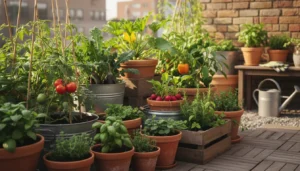
Starting a vegetable garden is a learning process. With basic planning, modest investment, and consistent care, even small spaces can produce fresh, nutritious vegetables for your table.