
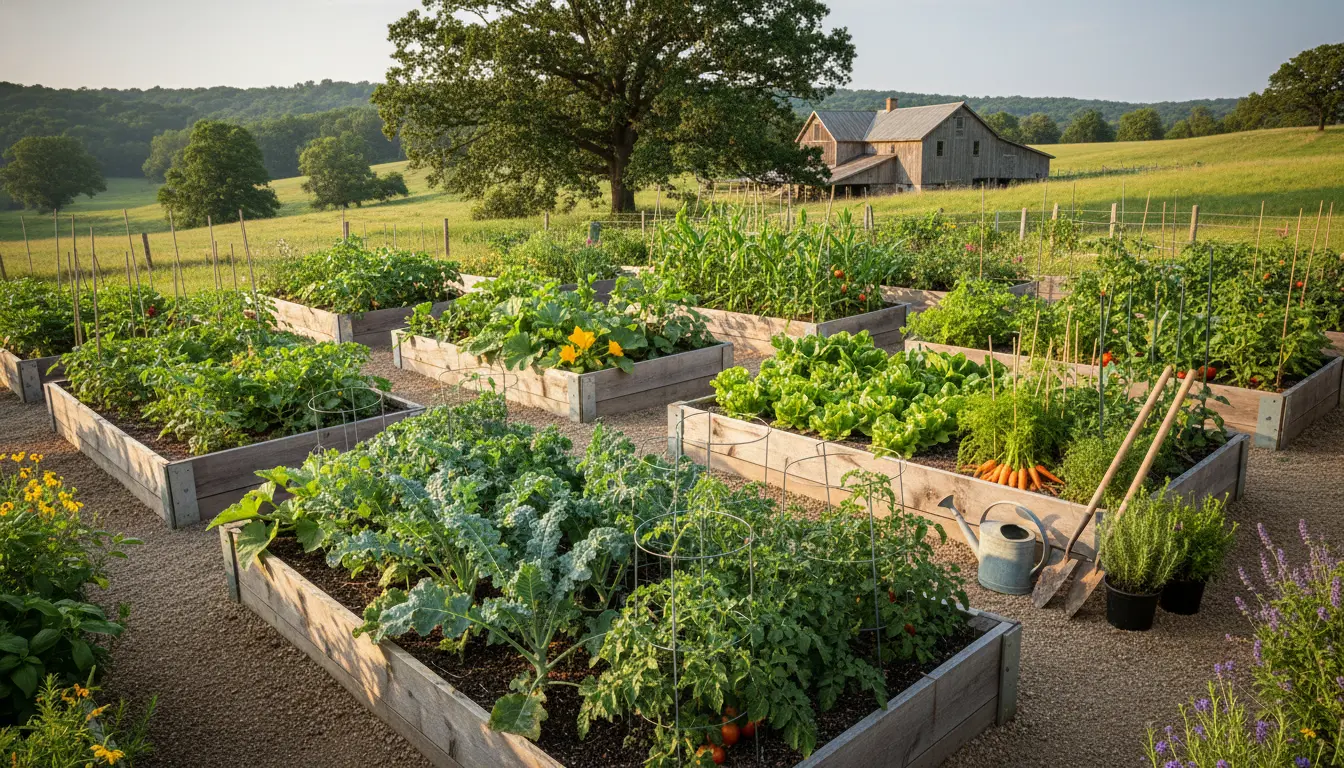
Starting a vegetable garden can be a practical and rewarding project. This guide explains step-by-step how to start a vegetable garden with clear actions you can take this season.
How to Start a Vegetable Garden: Planning Your Garden
Good planning reduces wasted time and increases yields. Begin by evaluating space, sunlight, and the time you can commit to care and maintenance.
Choose a Location
Pick a spot that receives at least six hours of direct sunlight per day for most vegetables. Ensure it has good drainage and is close enough to a water source.
Consider access: paths should be easy to walk, and beds should be reachable for planting, weeding, and harvesting.
Pick Vegetables to Grow
Select vegetables that match your climate, season, and cooking habits. Beginner-friendly choices include tomatoes, lettuce, radishes, green beans, and herbs.
Start small with 4–6 types of vegetables to keep maintenance manageable and learn the basics before expanding.
How to Start a Vegetable Garden: Preparing Soil and Beds
Soil quality determines long-term garden success. Testing and amending soil before planting will improve plant health and yields.
Soil Testing and Amendments
Use a basic soil test kit or a local extension service to check pH and nutrient levels. Most vegetables prefer a slightly acidic to neutral pH (6.0–7.0).
Add compost to improve structure and fertility. For heavy clay soils, mix in coarse sand and organic matter to improve drainage. For sandy soils, increase organic matter to retain moisture.
Raised Beds vs In-Ground Planting
Raised beds warm faster, drain well, and make it easier to control soil quality. In-ground beds are cheaper and can be larger, but may need more soil improvement.
- Raised beds: easier to manage, good for poor native soil.
- In-ground beds: better for large-scale plantings and deep-rooted crops.
- Containers: ideal for patios or limited space.
How to Start a Vegetable Garden: Planting and Care
Planting at the right time and using proper care routines reduces stress on plants and lowers pest pressure. Follow seed packet and plant label instructions for spacing and depth.
Sowing Seeds and Transplants
Direct sow root crops (carrots, radishes) where they will grow. Start tomatoes and peppers indoors 6–8 weeks before the last frost, and transplant after danger of frost passes.
Thin seedlings to recommended spacing to avoid crowding, which can lead to disease and reduced yields.
Watering, Mulching, and Fertilizing
Water deeply and less frequently to encourage strong root systems. Aim for 1–1.5 inches of water per week, adjusting for rain and soil type.
Apply a 2–3 inch layer of organic mulch to reduce weeds, conserve moisture, and moderate soil temperature.
- Use balanced organic fertilizer at planting and side-dress heavy feeders (corn, tomatoes) during the season.
- Avoid overhead watering when possible to reduce disease risk.
How to Start a Vegetable Garden: Pest Management and Harvesting
Use an integrated approach to pests: prevention, monitoring, and targeted action. Healthy plants are your best defense against pests and disease.
Simple Organic Controls
Start with row covers to protect young plants from insects. Hand-pick larger pests, and use insecticidal soaps for soft-bodied insects like aphids.
Encourage beneficial insects by planting flowers such as marigolds, cosmos, and dill near vegetable beds.
Harvesting Tips
Harvest vegetables at peak maturity for best flavor and continued production. Regular harvesting of lettuce, beans, and herbs encourages more growth.
Use clean tools and wash produce before storing. Keep a simple harvest schedule for each crop to avoid waste.
Quick Steps Checklist
- Choose sunny location and measure available space.
- Test soil and add compost or amendments.
- Select 4–6 beginner-friendly vegetables.
- Decide on raised beds, in-ground, or containers.
- Plant at the right time, water deeply, and mulch.
- Monitor pests and harvest regularly.
Real-World Example: A Small Case Study
Case study: Sarah started a 4×8 raised bed in spring with compost-amended soil. She planted tomatoes, basil, lettuce, and bush beans.
By following the checklist—weekly watering, mulching, and hand-picking hornworms—she harvested continuous lettuce and three tomato harvests by late summer. The raised bed produced enough vegetables for her small family and occasional sharing with neighbors.
This example shows that modest space and simple routines can yield satisfying results for new gardeners.
Next Steps: Keep Learning and Expanding
Track what works in a garden journal and adjust plant choices each season. Join local gardening groups or use extension resources for region-specific advice.
Starting small, planning, and maintaining consistent care are the keys to success. Use these steps to build confidence and expand your vegetable garden over time.