
Start Small and Practical
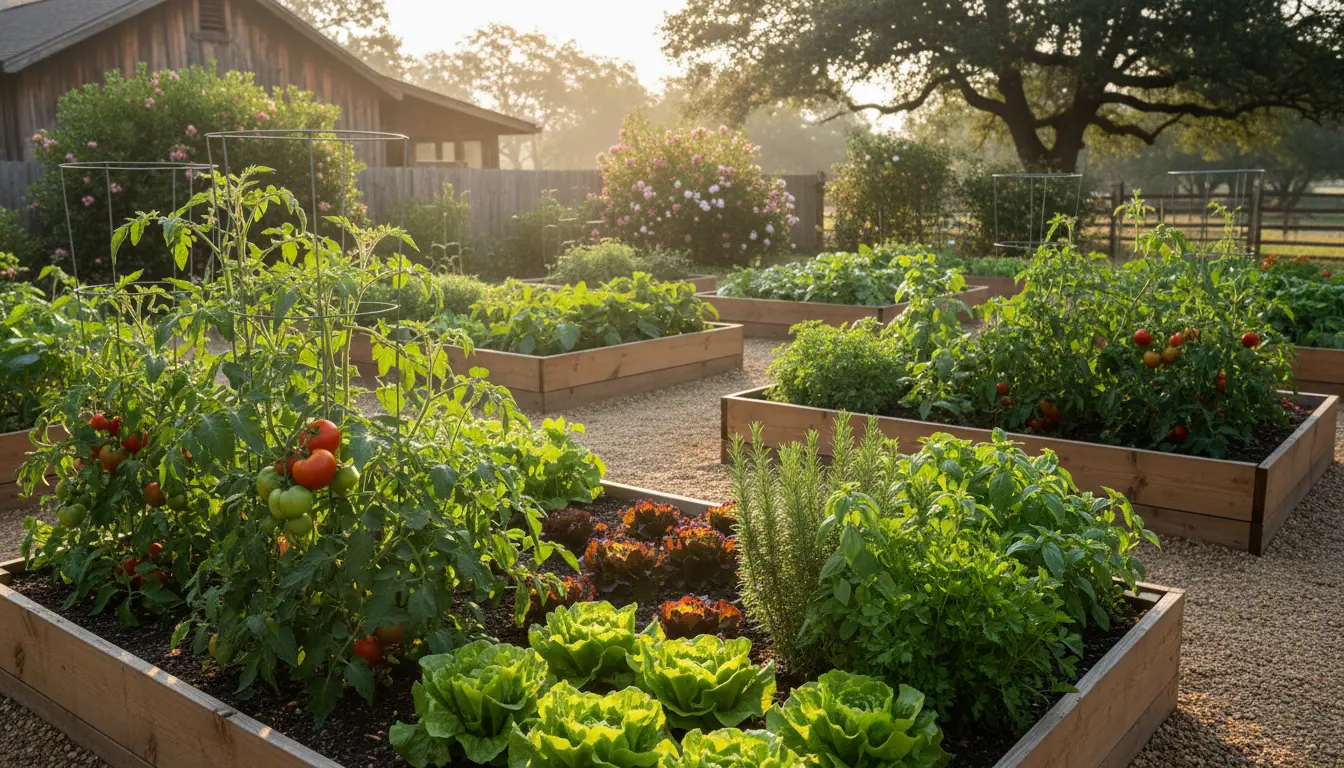
Starting a home vegetable garden is easiest when you focus on a small, manageable area. Choose a single raised bed, a few containers, or a sunny patch in your yard to begin.
Small scale reduces setup cost and learning curve while giving quick feedback on what works in your microclimate.
Plan Your Home Vegetable Garden
Good planning saves time and increases yields. Sketch the layout, note sun exposure, and list plants you and your family will actually eat.
Consider access to water, proximity to the kitchen, and whether you want raised beds or containers.
Choosing the Right Location for a Home Vegetable Garden
Vegetables need 6–8 hours of direct sun. Observe the site through a day to confirm light levels.
A level site near water and with good drainage is ideal. Avoid low spots that collect cold air or water.
Decide Between Beds, Containers, or In-Ground
Raised beds warm faster and offer better soil control. Containers work well for balconies or patios.
In-ground plots can yield more but require more soil amendment and weed control.
Prepare Soil and Improve Fertility

Healthy soil is the foundation of a productive home vegetable garden. Test soil pH and nutrient levels if possible.
Add compost and aged manure to increase organic matter and improve structure.
Basic Soil Mix for Raised Beds and Containers
- 50% top-quality compost or well-rotted manure
- 30% topsoil or screened garden soil
- 20% aeration material like perlite, coarse sand, or coconut coir
This mix retains moisture while providing drainage and nutrients for the plants.
Choose Vegetables Suited to Your Home Garden
Pick a mix of quick yields and longer-season crops. Fast growers keep enthusiasm high.
Start with easy, high-reward plants such as lettuce, radishes, bush beans, cherry tomatoes, and herbs.
Companion Planting Tips
- Tomatoes grow well with basil and marigold to deter pests.
- Leafy greens can be staggered for continuous harvest.
- Use trellises for vining crops like peas and cucumbers to save space.
Watering and Irrigation for a Productive Home Vegetable Garden
Consistent moisture is critical. Water deeply and less frequently to promote strong roots.
Install a soaker hose or drip system for efficiency and reduced disease risk from wet foliage.
Watering Schedule Basics
- New seedlings: daily or every other day depending on weather
- Established plants: 2–3 times per week with deep watering
- Adjust for rainfall and high heat periods
Pest and Disease Management in a Home Vegetable Garden
Early observation and simple interventions reduce losses. Inspect plants weekly for signs of pests or disease.
Use physical barriers, row covers, and hand-picking before chemical options. Encourage beneficial insects with flowering herbs.
Common Organic Controls
- Neem oil or insecticidal soap for soft-bodied pests
- Diatomaceous earth for slugs and beetles
- Copper or sulfur products for specific fungal issues (follow label)
Maintenance and Seasonal Tasks
Mulch to conserve moisture and suppress weeds. Renew mulch each season around crops.
Rotate crops yearly to avoid nutrient depletion and reduce disease buildup in soil.
Simple Crop Rotation Example
- Year 1: Leafy greens and herbs
- Year 2: Fruiting crops like tomatoes and peppers
- Year 3: Root crops such as carrots and beets
Planting marigolds near vegetables can reduce certain pests and attract pollinators, improving overall garden health.
Harvesting and Maximizing Yield
Harvest frequently to encourage continued production on crops like lettuce, beans, and herbs.
Pick tomatoes at peak flavor and store root crops in a cool, dry place to extend freshness.
Real-World Example: Small Balcony to Bountiful Salad
Case study: Sarah, a city renter, used three 16-inch containers and one 4×2-foot raised bed on her balcony. She planted cherry tomatoes, basil, mixed lettuce, and radishes.
By staggering sowing and using a drip bottle watering routine, she harvested fresh salad greens twice a week for four months. Initial cost under $150 and saved on groceries the first season.
Start Now with a Simple Checklist
- Choose a sunny site and decide bed type
- Build or buy containers and fill with quality mix
- Select easy vegetables and create a planting calendar
- Install basic irrigation or plan manual watering
- Monitor weekly and act early on pests
Starting a home vegetable garden is a step-by-step process that rewards patience and observation. Keep records of planting dates and results to refine your approach each season.
Small efforts create steady yields and growing skills that scale as you gain confidence.