
Why Start a Home Vegetable Garden
Growing vegetables at home saves money and gives you fresh produce on demand. A home vegetable garden can fit a backyard, patio, or balcony.
This guide shows practical steps for beginners to plan, plant, and maintain a productive garden. Follow the sequence below for consistent results.
Plan Your Home Vegetable Garden
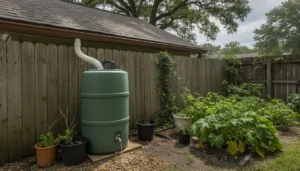
Start by deciding the available space and sunlight. Most vegetables need at least 6 hours of direct sun daily.
Sketch a simple layout to visualize beds, containers, and access paths. Good planning reduces future problems.
Choose the Right Location for a Home Vegetable Garden
Pick a level spot with good drainage and full sun when possible. If sunlight is limited, choose shade-tolerant crops.
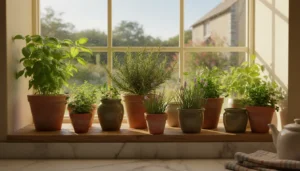
Consider proximity to water and convenience for daily care. Close access increases the chance you will maintain the garden.
Prepare Soil for a Home Vegetable Garden
Soil quality determines plant health. Test soil pH and nutrient levels with a simple kit or send a sample to a local extension.
Amend soil with compost to improve structure and fertility. Aim for a loose, crumbly texture that drains well.
Soil Amendments and Raised Beds
- Use 2–4 inches of compost mixed into the top 6–8 inches of soil.
- Consider raised beds if your native soil is poor or clay-heavy.
- Use a mix of topsoil, compost, and well-aged manure for container gardens.
Choose Vegetables for a Home Vegetable Garden

Start with easy, high-yield vegetables to build confidence. Good beginner crops include lettuce, radishes, tomatoes, and beans.
Consider your climate zone and growing season when selecting varieties. Local nurseries can recommend cultivars suited to your area.
Crop Planning and Succession Planting
Plan for succession planting to maximize harvests. Plant quick crops between slower-growing ones to use space efficiently.
Example succession: sow radishes and spinach early, then transplant tomatoes later when space opens.
Planting and Watering in a Home Vegetable Garden
Follow seed packet or plant tag spacing and depth recommendations. Proper spacing reduces disease and improves airflow.
Water deeply and less frequently to encourage strong roots. Aim for 1 inch of water per week from rain or irrigation.
Efficient Watering Methods
- Drip irrigation or soaker hoses deliver water at the root zone.
- Mulch with straw or wood chips to conserve moisture and suppress weeds.
- Water early in the morning to reduce evaporation and fungal risks.
Pest and Disease Management for a Home Vegetable Garden
Monitor plants weekly for pests and signs of disease. Early detection keeps problems manageable.
Use integrated pest management: hand-pick pests, encourage beneficial insects, and apply organic controls when necessary.
Simple Organic Controls
- Neem oil or insecticidal soap for soft-bodied pests.
- Floating row covers to protect young plants from insects.
- Crop rotation to reduce soil-borne disease buildup.
Planting marigolds near tomatoes can reduce nematode populations and help protect root health. Companion planting can boost yields and reduce pest pressure.
Maintenance and Harvesting from a Home Vegetable Garden
Keep beds weeded and plants pruned as needed. Regular maintenance prevents small issues from becoming major tasks.
Harvest often to encourage continued production. Pick leafy greens when young for better flavor and texture.
Season Extension Tips
- Use cloches or row covers for early spring and late fall crops.
- Install a simple cold frame to extend the growing season by weeks.
- Choose heat-tolerant varieties for summer planting in hot climates.
Small Real-World Example: A Balcony Home Vegetable Garden Case Study
Case study: Maria, an apartment resident, used two 4×2 foot raised containers on her balcony. She chose cherry tomatoes, basil, and lettuce.
Maria amended potting mix with compost, installed a drip line, and rotated lettuce every three weeks. In her first season she harvested tomatoes weekly and had continuous salad greens.
Her keys to success were consistent watering, proper spacing, and choosing compact varieties suited to containers.
Quick Start Checklist for a Home Vegetable Garden
- Assess sunlight and choose location.
- Test and amend soil or prepare containers.
- Select beginner-friendly vegetables and plan layout.
- Plant at recommended spacing and water deeply.
- Monitor pests, mulch, and harvest regularly.
Final Tips for a Successful Home Vegetable Garden
Start small and expand as you gain experience. Small beds are easier to maintain and teach you timing and plant care.
Keep a simple garden journal with planting dates, varieties, and harvest notes. This record accelerates learning and improves yields year to year.
With planning, regular care, and modest effort, a home vegetable garden can provide fresh produce and a rewarding hobby. Begin with a clear plan and adjust based on your space and climate.