
Why Home Composting Matters
Home composting turns kitchen and yard waste into a useful soil amendment. It reduces household waste, lowers disposal costs, and supports healthier plants without synthetic fertilizers.
This guide explains straightforward steps to start home composting and maintain a reliable bin or pile with minimal effort.
Choosing A Compost Method For Home Composting
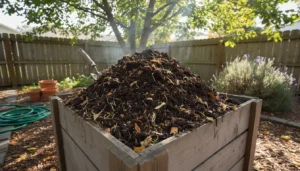
Select a method that fits space, time, and budget. Common options include a backyard pile, a tumbling bin, or a worm (vermicompost) system for small indoor spaces.
- Backyard pile: Low cost, good for yard waste, needs space and occasional turning.
- Compost bin/tumbler: Neater, faster breakdown, requires occasional rotation.
- Vermicomposting: Ideal for apartments, processes kitchen scraps quickly with worms.
Site And Container Considerations
Place your bin on bare soil if possible to allow beneficial organisms to enter. Choose a shady spot to prevent extreme drying or soggy conditions.
Ensure containers have drainage and airflow. For tumblers, check seals so pests can’t enter. For worms, keep containers away from direct sun and frost.
Materials To Use In Home Composting
Good compost needs a balance of carbon-rich “browns” and nitrogen-rich “greens.” Aim for roughly a 3:1 ratio by volume of browns to greens.
- Greens (nitrogen): vegetable scraps, fruit peels, coffee grounds, fresh grass clippings.
- Browns (carbon): dried leaves, straw, shredded paper, cardboard, small wood chips.
Avoid adding meat, dairy, oily foods, pet waste, and diseased plants to outdoor compost unless you have a hot composting system that reaches high temperatures.
Step-By-Step Start Guide For Home Composting
Follow these steps to start a functional compost system in your home or backyard.
- Pick a container and location that suit your space and climate.
- Start with a 4–6 inch base layer of coarse browns to aid airflow.
- Add kitchen scraps and yard waste in alternating layers of greens and browns.
- Keep the pile moist like a wrung-out sponge; water occasionally if dry.
- Turn or aerate weekly for faster composting, or let it sit for slower decomposition.
Maintaining Temperature And Moisture
Compost temperature indicates activity. A warm interior (between 100–140°F / 38–60°C) shows active decomposition in hot systems. Cool systems decompose slower but still work.
If your pile is too wet, add more browns and turn to introduce air. If too dry, add water and more greens.
Composting helps reduce methane emissions from landfills. A typical family can divert hundreds of pounds of organic waste from landfill each year through home composting.
Troubleshooting Common Home Composting Problems
Some common issues have simple fixes.
- Bad odors: Usually from too many wet greens. Add browns and turn the pile to aerate.
- Slow decomposition: Increase surface area by chopping materials and ensure moisture and aeration.
- Pests: Use enclosed bins, bury fresh scraps, and avoid meat/dairy to reduce attraction.
- Fruit flies: Cover fresh scraps with browns or a layer of finished compost and seal indoor containers.
How To Know When Compost Is Ready
Finished compost is dark, crumbly, and smells earthy. Most materials will finish in 3–12 months depending on method and management.
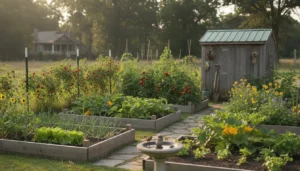
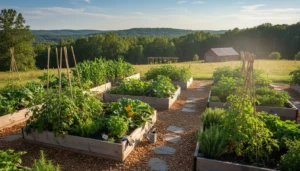
Use finished compost as a soil amendment, mulch, or potting mix ingredient. Apply a 1–3 inch layer to garden beds or mix 10–20% into potting soil for container plants.
Small-Scale Example: Vermicompost For Apartments
Vermicomposting uses red wiggler worms in a shallow bin. Feed them limited fruit and vegetable scraps, shredded paper, and avoid citrus overload.
Expect worm castings in 2–3 months. Harvest by moving finished material to one side and adding fresh bedding and food to the cleared side.
Real-World Case Study: Rowhouse Compost Project
In a three-unit rowhouse in Portland, residents started a shared 50-gallon tumbling composter. They combined kitchen scraps and weekly yard waste, turning the unit twice weekly.
Within six months they reduced their household organic waste by 42% and produced compost to improve a shared rooftop garden. Maintenance required 15–20 minutes weekly and minor coordination between neighbors.
Tips For Long-Term Success With Home Composting
- Keep a small counter bucket with a tight lid for kitchen scraps to reduce trips outside.
- Chop or shred larger materials to speed decomposition.
- Record additions and turning schedule to spot patterns when problems start.
- Share tools and a maintenance plan for community or multi-household bins.
Final Checklist For Starting Home Composting
- Select method: pile, bin, tumbler, or worms.
- Balance browns and greens; avoid prohibited items.
- Maintain moisture and aeration; turn regularly if possible.
- Monitor for pests and odors and adjust inputs as needed.
Home composting is a practical, low-cost way to reduce waste and enrich soil. Start small, learn from simple troubleshooting, and scale as you gain confidence.