
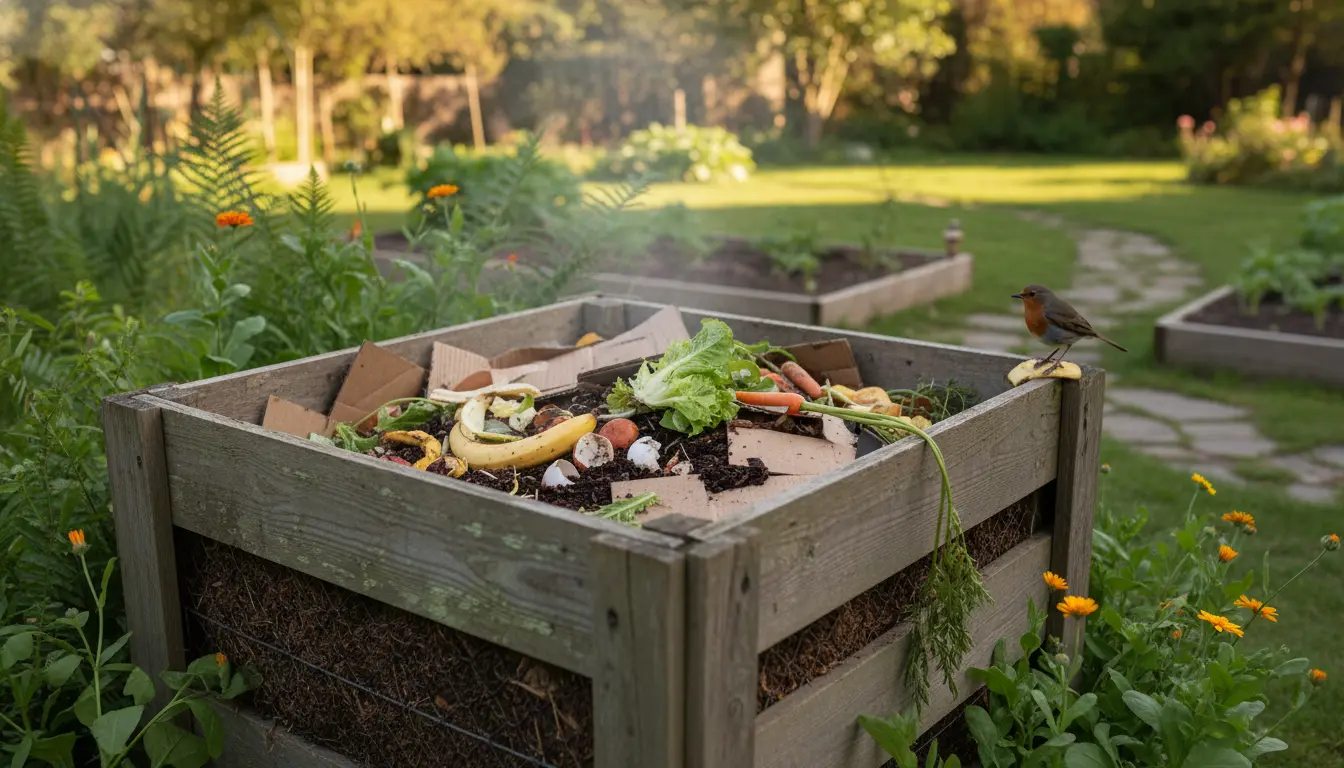
Home composting turns kitchen scraps and yard waste into valuable soil amendments. This guide explains practical steps to begin composting at home, keep your pile healthy, and use finished compost in your garden.
Home Composting Basics
Composting is a natural process where microbes break down organic material into humus. You can compost in a bin, tumbler, pile, or worm bin depending on space and goals.
Key factors for success are a balance of carbon and nitrogen, moisture, and air. Managing these elements keeps decomposition steady and reduces odors.
Why Choose Home Composting
Home composting reduces household waste, improves soil health, and cuts the need for chemical fertilizers. It is low cost and scalable from small apartments to large yards.
- Reduces landfill waste and greenhouse gas emissions.
- Recycles nutrients back to the soil.
- Saves money on soil amendments and trash pickup.
Getting Started with Home Composting
Start by choosing a method that fits your living situation. Each method has pros and cons related to space, speed, and maintenance.
Choose a Composting Method
- Bin or tumbler: Good for tidy spaces and faster composting with regular turning.
- Open pile: Low cost and flexible, but needs space and more attention to balance.
- Worm composting (vermicompost): Ideal for small spaces and produces rich castings quickly.
Select the Right Location and Container
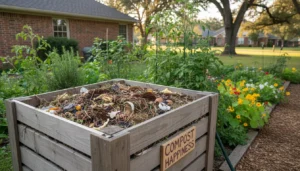
Place the bin on soil if possible to allow organisms to move in. If using a tumbler, choose a sunny to partly shaded spot to maintain heat without drying out the pile.
Containers should allow airflow and drainage. Commercial bins are convenient, but DIY options like pallets or plastic bins also work well.
What to Compost: Greens and Browns
Successful composting depends on mixing “greens” (nitrogen-rich) and “browns” (carbon-rich).
- Greens: fruit and vegetable scraps, coffee grounds, fresh grass clippings.
- Browns: dry leaves, straw, shredded paper, cardboard, small wood chips.
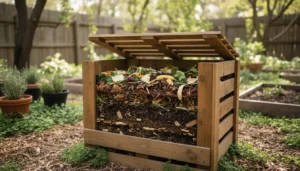
A common target ratio is about 2–3 parts browns to 1 part greens by volume. Adjust based on how the pile behaves.
What Not to Compost
- Meat, dairy, and oily foods (attract pests).
- Diseased plants and invasive weeds that might survive the process.
- Bones and large woody branches that decompose slowly.
Maintaining Your Home Compost
Routine care keeps decomposition efficient and prevents problems. Check moisture, turn the pile, and add materials in layers.
Turning and Aeration
Turn the pile every 1–2 weeks for faster composting and to prevent anaerobic odors. Tumblers make turning easier, while piles and bins may require a pitchfork.
Moisture and Temperature
Aim for moisture like a wrung-out sponge. Add water when dry or browns when too wet. A hot compost pile (120–160°F) breaks down materials faster, but cool composting is fine for lower effort.
Troubleshooting Common Issues
- Bad smell: add more browns and turn to introduce air.
- Slow breakdown: chop materials smaller, add nitrogen-rich greens, and check moisture.
- Pests: avoid meat and dairy, close gaps in bins, and bury new food scraps.
Composting can reduce household waste by up to 30 percent. Finished compost improves water retention in sandy soils and drainage in clay soils.
How to Use Finished Compost
Finished compost looks dark, crumbly, and earthy-smelling. Use it to enrich garden beds, improve potting mixes, or top-dress lawns.
Incorporate 1–3 inches into vegetable beds or mix 10–20% compost into potting soil for containers.
Real-World Example
Case Study: A small urban gardener in Portland converted a 3×3 foot bin over one season and produced about 40 liters of compost. They layered kitchen scraps with shredded paper and dry leaves, turned the bin weekly, and monitored moisture. The finished compost improved tomato yields by one cluster per plant the following year.
Quick Home Composting Checklist
- Choose a method: bin, tumbler, pile, or worm bin.
- Balance greens and browns, aim for 2–3:1 browns to greens.
- Keep moisture like a wrung-out sponge and turn regularly.
- Avoid meat, dairy, diseased plants, and invasive weeds.
- Use finished compost to enrich soil and support plant growth.
Home composting is practical and adaptable. Start small, observe how your pile behaves, and adjust materials and care. Over time you will produce nutrient-rich compost that benefits your garden and reduces waste.