
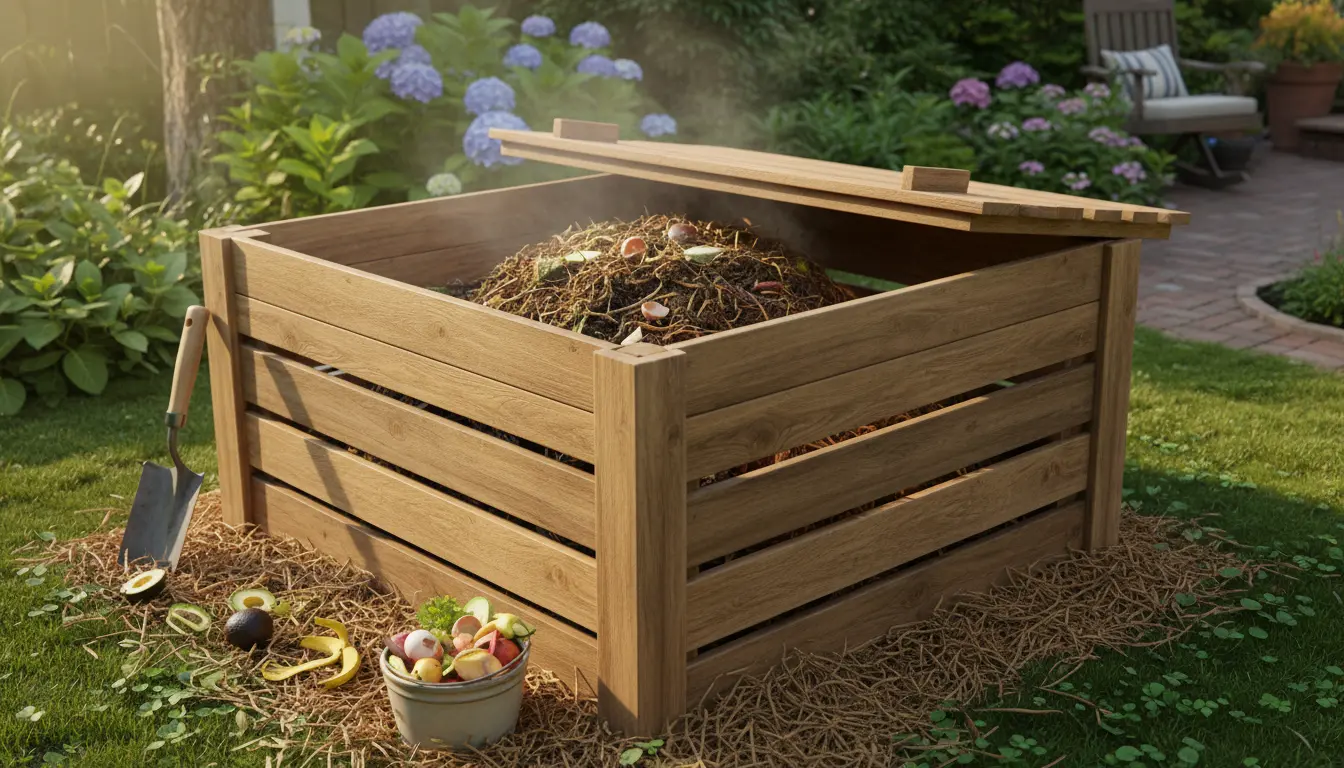
Home composting turns everyday organic waste into nutrient-rich soil amendment. This guide gives practical steps you can follow today, whether you have a backyard, balcony, or just a small kitchen.
Home Composting Basics
Home composting relies on microbes, oxygen, moisture, and the right mix of materials to break down organic matter. Aim for a balance between carbon-rich “browns” and nitrogen-rich “greens” for steady decomposition.
Choosing a Composting Method for Home Composting
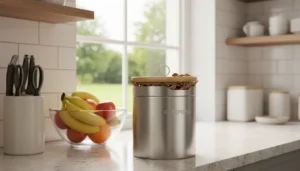
Select a method that fits your space and lifestyle. Common options include a simple pile, an enclosed bin, a tumbling composter, or bokashi for small indoor setups. Each method controls odor and decomposition speed differently.
Setting Up Home Composting
Start with location, container choice, and the right materials. Place your bin on soil or a surface where drainage is possible and air can circulate.
Materials to Add to Home Composting
Collect a mix of materials and avoid adding problem items. Keep the pile layered and chopped for faster breakdown.
- Browns (carbon): dry leaves, shredded paper, straw, cardboard
- Greens (nitrogen): fruit and vegetable scraps, coffee grounds, fresh grass clippings
- What to avoid: meat, dairy, oils, diseased plants, pet waste
Bin and Size Recommendations for Home Composting
For backyard composting, a 3x3x3 foot pile is a good active size. For apartments, use a small indoor bokashi bucket or compact tumblers. Larger volumes retain heat better and decompose faster.
Maintaining Your Home Composting Pile
Maintenance keeps the compost active and odor-free. Regular turning, moisture checks, and occasional additions of browns are key tasks.
Turning and Aeration in Home Composting
Turn your pile every 1–2 weeks to add oxygen and speed decomposition. If using a tumbling composter, rotate it according to the manufacturer’s recommendation.
Moisture and Temperature for Home Composting
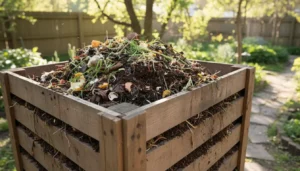
Compost should be about as moist as a wrung-out sponge. If it is too dry, add water and greens; if too wet and smelly, add more browns and improve drainage.
Using Finished Home Compost
Finished compost is dark, crumbly, and earthy-smelling. It can be used immediately in gardens, potted plants, or as a top dressing for soil improvement.
- Mix 1 part compost to 3 parts soil for potting mixes.
- Top-dress your lawn or garden beds with a thin layer to slowly add nutrients.
- Use compost tea or steeped compost for liquid fertilizing (strain before use).
Composting diverts up to 30% of household waste from landfills and reduces methane emissions, a potent greenhouse gas.
Troubleshooting Common Home Composting Problems
Most issues come from imbalance. Smells, slow decomposition, or pests have simple fixes if you diagnose the cause.
Smelly Compost
Bad odors usually mean too much moisture or not enough air. Turn the pile, add dry browns, and check drainage.
Pests and Fruit Flies in Home Composting
To reduce pests, avoid adding meat or oily foods, bury kitchen scraps beneath a layer of browns, or use a closed bin with a tight lid.
Practical Tips and Examples for Home Composting
Make composting part of a routine. Keep a small counter caddy for kitchen scraps and empty it into your outdoor bin daily. Chop waste into smaller pieces to speed breakdown.
Examples of easy composting habits:
- Freeze fruit scraps until bin collecting day to reduce flies.
- Shred mail and mix with food scraps during dry months.
- Use coffee grounds as a regular green addition for nutrient boost.
Small Real-World Case Study
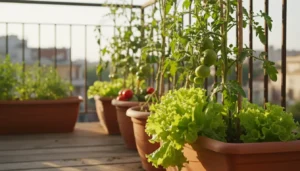
Case: A two-person apartment household started home composting using a bokashi bucket and a small outdoor tumbler. They diverted about 12 kg (26 lbs) of kitchen waste per month and reduced their trash output by roughly 40% within six months.
Outcome: Their balcony tomato plants produced earlier fruit and the added compost improved potting soil moisture retention. The couple reported fewer garbage pickups and felt more engaged with sustainable food habits.
Quick Start Checklist for Home Composting
- Choose method: bin, tumbler, or bokashi.
- Set up in a convenient location with drainage and airflow.
- Collect a mix of browns and greens; avoid banned items.
- Maintain moisture and aeration; turn every 1–2 weeks.
- Harvest finished compost when dark and crumbly.
Home composting is a practical way to reduce waste and improve soil health. Start small, monitor the pile, and adjust materials as you learn what works best in your space.