
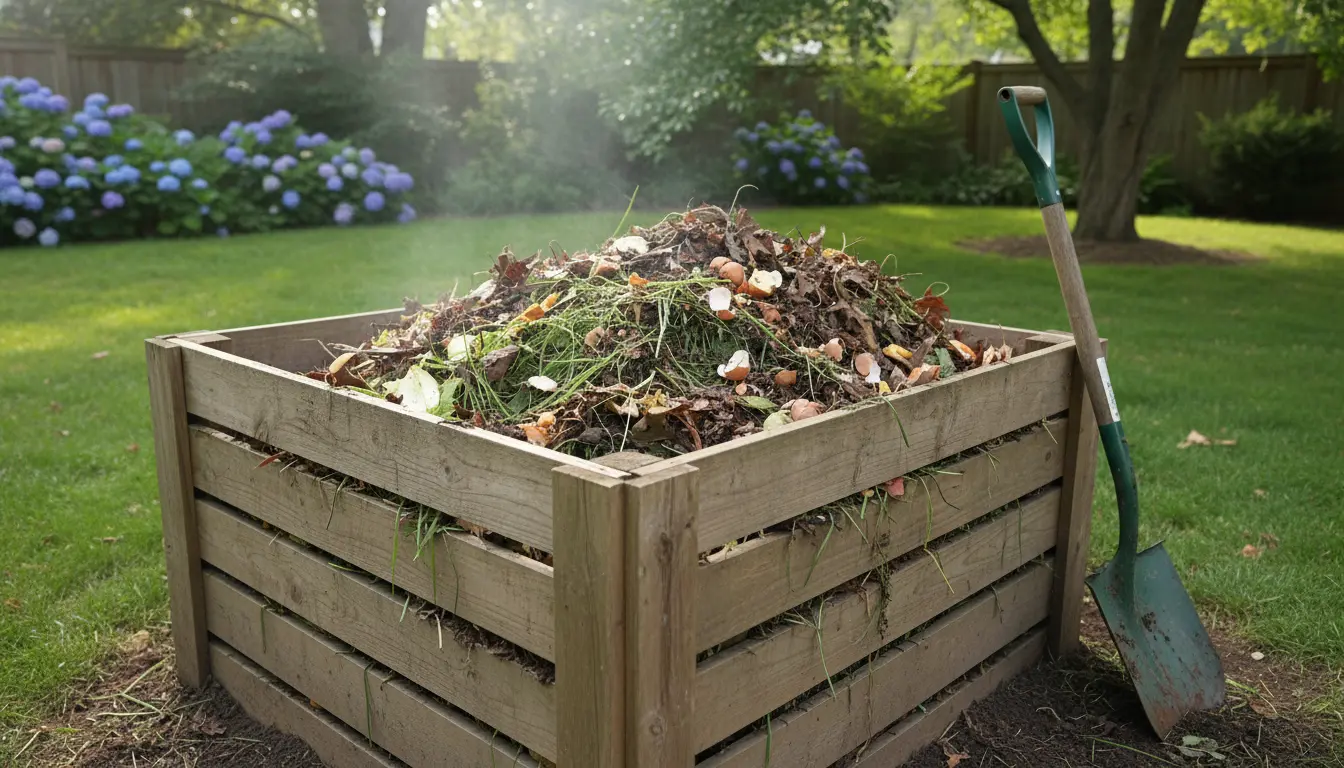
Composting at home turns kitchen scraps and yard waste into nutrient-rich soil. This guide gives practical steps you can follow to start home composting with minimal fuss.
Why Home Composting Matters
Home composting reduces landfill waste while creating valuable soil amendment for gardens or potted plants. It also lowers greenhouse gas emissions compared with sending organic waste to landfills.
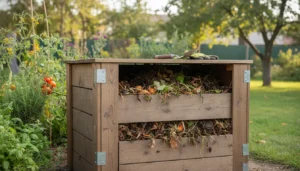
Composting can be scaled to fit small balconies or larger backyards. The aim is to maintain the right balance of materials, moisture, and airflow.
How to Start Home Composting
Starting is mostly about choosing a system and learning basic maintenance. Follow these simple steps to set up your first compost pile or bin.
Step 1: Choose a Compost System
There are several common options depending on space, budget, and effort.
- Open pile: Simple and inexpensive, best for yards with space.
- Compost bin: Contained, tidy, and faster when insulated.
- Tumbler: Easier to turn and quicker to process, good for small to medium households.
- Vermicompost (worm bin): Ideal for apartments and fast kitchen-scrap processing.
Step 2: Pick a Location
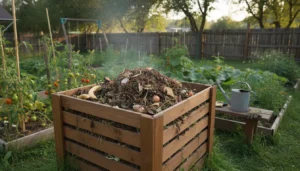
Choose a level spot with good drainage and partial shade. Keep the bin accessible—close enough to bring kitchen scraps, but not blocking daily use of the yard.
Avoid placing compost directly against wooden structures to prevent moisture damage.
Step 3: Gather Materials for Home Composting
Compost requires a mix of carbon-rich “browns” and nitrogen-rich “greens.” Aim for a roughly 25–30:1 carbon-to-nitrogen ratio by weight if possible.
- Browns: Dry leaves, straw, shredded paper, cardboard, wood chips.
- Greens: Vegetable scraps, coffee grounds, fresh grass clippings, plant trimmings.
Do not compost meat, dairy, oily foods, diseased plants, or pet waste in standard home systems.
Basic Maintenance for Home Composting
Good maintenance is simple: keep the mix balanced, moist like a wrung-out sponge, and well aerated. These three controls determine how quickly compost breaks down.
Turning and Aeration
Turning the pile introduces oxygen that helps microbes work efficiently. For open piles or bins, turn every 1–2 weeks. Tumblers may need turning several times per week.
Moisture Control
Too dry and decomposition slows; too wet and the pile smells. Add water during dry spells and add more browns if it becomes soggy.
Temperature and Speed
A hot compost (131–160°F / 55–71°C) finishes faster and kills more weed seeds. Cold composting still works but takes longer—often several months to a year.
Troubleshooting Home Composting
Common problems are easy to fix if you watch for symptoms and adjust accordingly.
- Bad odor: Usually too wet or too many greens. Turn and add browns.
- Slow breakdown: Insufficient nitrogen, moisture, or aeration. Add greens, water, and turn.
- Pests: Secure the bin, bury fresh scraps, avoid meat and oily foods.
- Fruit flies: Cover fresh food with a layer of browns or use an enclosed bin.
Composting can reduce household waste by up to 30% by volume and enriches soil with nutrients like nitrogen, phosphorus, and potassium.
Using Finished Compost
Finished compost is dark, crumbly, and earthy-smelling. Use it to top-dress lawns, mix into garden beds, or as potting mix amendment. It improves soil structure and water retention.
Apply a 1–3 inch layer to garden beds or mix one part compost to three parts soil for planting containers.
Small Real-World Example
Case study: A two-person household in a suburban home started composting in a 60-gallon bin. Over six months they added kitchen scraps and yard trimmings, turning twice weekly. They produced roughly 40 gallons of finished compost and reduced weekly trash by nearly half.
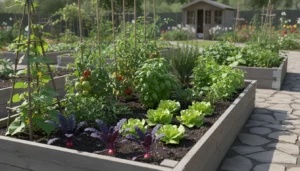
They used the compost on vegetable beds, improving tomato yields and reducing the need for store-bought soil amendments.
Tips and Practical Examples for Success
- Keep a countertop collection container for kitchen scraps and empty it daily to the bin.
- Shred or chop larger materials—small pieces break down faster.
- Layer greens and browns as you add them rather than dumping only one type.
- If you have limited space, start a worm bin indoors for efficient kitchen-waste processing.
Quick Example Mix
One practical mix for a 3×3 ft pile: 6 buckets of shredded leaves (browns) + 2 buckets of kitchen scraps (greens) + a handful of garden soil to introduce microbes.
Final Thoughts on Home Composting
Home composting is a low-cost way to manage organic waste and improve soil health. Start simple, observe the pile, and make small adjustments for better results.
With basic attention to balance, moisture, and airflow, most households can produce high-quality compost in a few months to a year.