
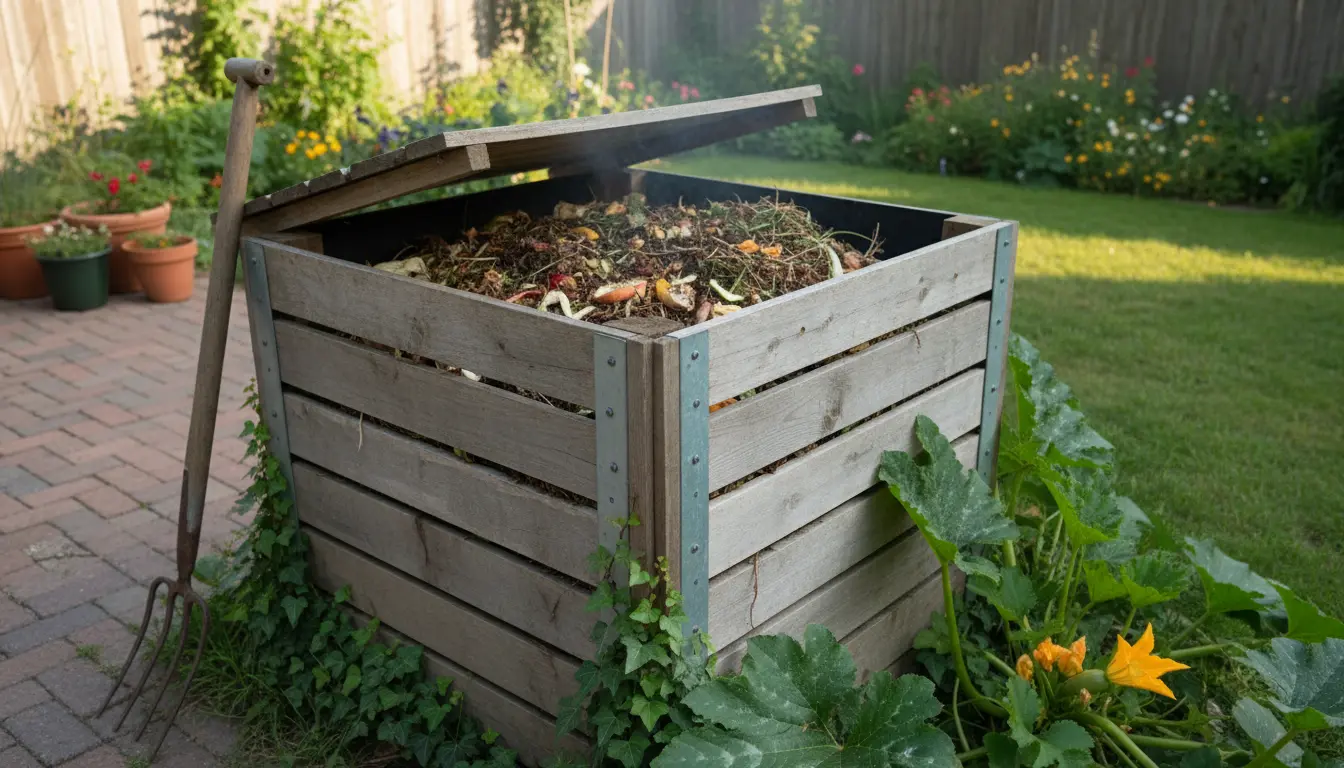
Home Composting for Beginners: A Quick Start Guide
Home composting for beginners turns kitchen scraps and yard waste into nutrient-rich soil. It reduces landfill waste and supports healthier plants.
This guide focuses on simple, practical steps to get started and maintain a successful compost system at home.
What is home composting for beginners?
At its core, home composting is a managed process where organic materials break down into humus. Microorganisms, oxygen, moisture, and the right materials make composting efficient and odor-free.
Benefits of home composting for beginners
- Reduces household waste and trash costs.
- Produces free, nutrient-dense soil for gardens and potted plants.
- Improves soil structure and water retention.
Choose the Right System for Home Composting for Beginners
Selecting a system depends on space, time, and the amount of waste you produce. Options range from simple bins to tumblers and worm composters.
Common compost systems
- Open pile: Best for yards with space and frequent turning.
- Stationary bin: Simple, contained, and low cost.
- Tumbler: Faster breakdown with easy turning and less pest risk.
- Vermicomposting: Uses worms for indoor or small-space composting of kitchen scraps.
Materials: What to Compost and What to Avoid
Understanding what to add helps maintain balance and avoid odors or pests. Follow the green and brown rule for best results.
Greens vs Browns
‘Greens’ provide nitrogen and moisture. ‘Browns’ supply carbon and structure. Aim for a roughly 2:1 ratio by volume of browns to greens for a steady decomposition.
- Greens: fruit and vegetable scraps, coffee grounds, fresh grass clippings.
- Browns: dry leaves, shredded paper, cardboard, small wood chips.
- Avoid: meat, dairy, oils, diseased plants, and pet waste from carnivores.
Step-by-Step: Start Home Composting for Beginners
Follow these steps to set up and maintain your compost. Each step is short and actionable for new composters.
- Pick a location: Choose a well-drained spot that is convenient and partially shaded.
- Choose a container: Use a bin, tumbler, or simple pile depending on space and preference.
- Add a base layer: Start with coarse browns like small branches or straw to help airflow.
- Alternate layers: Add a few inches of greens, then cover with a thicker layer of browns.
- Maintain moisture: Keep the pile as damp as a wrung-out sponge; add water or browns as needed.
- Turn regularly: Aerate the pile weekly or biweekly to speed decomposition and prevent odors.
Practical tips
- Chop or shred materials to speed breakdown.
- Use a kitchen caddy to collect scraps and reduce trips outside.
- If smells occur, add more browns and turn the pile to increase oxygen.
Troubleshooting for Home Composting for Beginners
Beginners often face a few common issues. Quick fixes keep your system healthy and productive.
Common problems and solutions
- Bad odor: Add more browns, aerate, and check moisture.
- Slow decomposition: Chop materials smaller, add greens if pile is too dry, or turn more often.
- Pests: Keep meat and dairy out, use a sealed bin or tumbler, and bury fresh scraps under browns.
When Is Compost Ready to Use?
Mature compost looks, smells, and feels like rich, dark soil. Particle size will be reduced and original materials should not be recognizable.
Use finished compost as a soil amendment, top dressing, or potting mix ingredient to improve plant health.
Case Study: Small Apartment Composting Success
Maria lives in a two-bedroom apartment and wanted to reduce waste. She started a small worm bin under her kitchen sink and used a 2-gallon kitchen caddy for scraps.
Within three months, Maria produced enough vermicompost to feed her balcony herb garden. She reports less trash, healthier plants, and no odor issues after using bedding materials and regular feeding.
Quick Checklist for Home Composting for Beginners
- Choose a bin type that fits your space.
- Maintain a balance of greens and browns.
- Keep compost moist but not soaking.
- Turn or aerate regularly for faster results.
- Use finished compost to improve soil or potting mixes.
Home composting for beginners is achievable with a little planning and consistent care. Start small, learn from routine maintenance, and adjust the system for your lifestyle.
Once your compost system is established, it becomes a low-effort way to enrich plants and reduce household waste.