
How to Start a Container Garden: Quick Overview
Container gardening is an easy way to grow flowers, herbs, and vegetables when space is limited. You can use patios, balconies, windowsills, or any small outdoor area to create a productive garden.
This guide explains practical steps to set up and maintain a successful container garden for beginners.
Choose the Right Containers for Your Container Garden
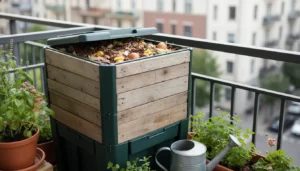
Select containers that match the plants you want to grow. Larger plants need bigger pots; shallow-rooted herbs do well in smaller containers.
Materials include plastic, terracotta, wood, and fabric. Each material affects moisture and temperature differently, so pick one that fits your climate and watering habits.
Container size and drainage
Use containers with drainage holes to avoid root rot. If a pot has no holes, add them or use it as a cachepot with a drained inner container.
- Small pots (4–8 inches): herbs, lettuce, small annuals.
- Medium pots (10–14 inches): peppers, dwarf tomatoes, bush beans.
- Large pots (16 inches+): full-size tomatoes, potatoes, small shrubs.
Pick the Best Soil for Container Garden Success
Use a high-quality container potting mix rather than garden soil. Potting mixes retain air and drain well, which helps roots stay healthy.
Look for mixes with peat moss or coconut coir, perlite or vermiculite, and compost for nutrients.
DIY potting mix example
Mix 40% coco coir or peat, 30% compost, and 30% perlite for a balanced, well-draining medium. Adjust ratios for water retention in hot or dry climates.
Choose Plants That Fit Your Space and Skill Level
Start with easy plants that tolerate container life. Consider sunlight, wind exposure, and how much time you can spend on care.
Good beginner plants include basil, mint, cherry tomatoes, peppers, nasturtiums, marigolds, and salad greens.
Watering and Fertilizing Your Container Garden
Containers dry out faster than ground soil. Check soil moisture daily in hot weather and water when the top inch is dry.
Use a watering can or a drip system to water at the base. Avoid wetting foliage to reduce disease risk.
Fertilizer basics for container plants
Use a balanced liquid fertilizer every 2–4 weeks during the growing season, or apply slow-release granules at planting time. Containers have limited nutrients, so regular feeding keeps plants productive.
Positioning and Light for a Healthy Container Garden
Match plant light needs to your available exposure. Most vegetables and many flowering annuals need 6+ hours of direct sun.
For partial shade, choose leafy greens and shade-tolerant herbs. Move containers seasonally if light patterns change on a balcony.
Common Problems and Quick Fixes
Pests like aphids or whiteflies can appear on containers. Inspect plants weekly and use insecticidal soap or hand removal for small infestations.
Yellowing leaves often mean overwatering or poor drainage. Repot into a larger container with fresh mix if roots are crowded.
Did You Know?
Container plants can produce faster harvests than in-ground gardens because roots warm up quickly and nutrients are concentrated.
Seasonal Care and Overwintering Your Container Garden
Protect containers from freezing by moving sensitive plants indoors or to a sheltered spot. Large pots offer more insulation than small ones.
In cold climates, empty or store plastic pots and bring tender perennials inside. Mulch can help protect roots in place if moving plants is not possible.
Simple Routine for Ongoing Success
- Daily: Check moisture and plants for pests or stress.
- Weekly: Water deeply and remove spent flowers or leaves.
- Monthly: Feed with liquid fertilizer or top-dress with compost.
Small Case Study: Maria’s Balcony Container Garden
Maria had a small south-facing balcony and wanted fresh herbs and salad greens. She started with five 10-inch pots and a 16-inch container for a cherry tomato plant.
Using a quality potting mix and a simple watering schedule, she harvested basil, parsley, and lettuce within six weeks. Regular fertilizing kept the tomato producing into late summer.
Her success shows that with proper containers, soil, and attention, even tiny spaces can yield regular fresh food.
Final Checklist: Start Your Container Garden Today
- Choose the right container sizes and materials.
- Use a well-draining potting mix and provide drainage holes.
- Select beginner-friendly plants matched to light conditions.
- Set a watering and feeding routine and inspect for pests.
- Plan for seasonal care and overwintering if needed.
Starting a container garden is low-cost and flexible. With these practical steps, you can build a productive and attractive garden in limited space.