

Composting at home turns kitchen scraps and yard waste into rich soil for gardens. This guide gives practical steps anyone can follow to start composting at home with minimal cost and effort.
Why Composting at Home Matters
Composting reduces trash sent to landfills and lowers methane emissions. It also creates nutrient-rich compost that improves soil structure and plant health.
Home composting helps households cut waste and save money on fertilizers and soil amendments. It is a simple way to make everyday habits more sustainable.
How to Start Composting at Home: Key Steps
Starting is easier than many people think. Follow these steps to set up a reliable compost system that fits your space and needs.
1. Choose a Compost Bin or Pile
Select a bin size that matches how much kitchen and yard waste you produce. Small tumblers work well for patios and quick turning. Larger stationary bins suit backyards and higher volumes.
Consider these options:
- Tumbler bin: Easy to turn, faster composting.
- Stationary bin: Cheaper, holds more material.
- Open pile: Lowest cost, needs regular maintenance.
2. Know What to Compost
Balance green materials (nitrogen) with brown materials (carbon). A good mix speeds decomposition and prevents odors.
Common materials to include:
- Greens: vegetable peels, fruit scraps, coffee grounds, grass clippings.
- Browns: dry leaves, shredded paper, straw, wood chips.
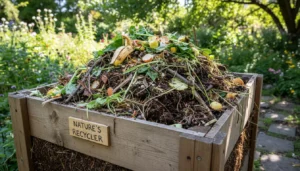
Avoid meat, dairy, oily foods, and pet waste to reduce pests and smells.
3. Layering and Mix Ratio
Start with a layer of coarse browns at the bottom to help airflow. Alternate greens and browns in 1:2 or 1:3 green-to-brown volume ratios as a rule of thumb.
Chop or shred larger items to speed breakdown. Smaller pieces increase surface area for microbes and shorten composting time.
4. Manage Moisture and Aeration
Compost should feel like a damp sponge—moist but not soggy. Too dry, and decomposition slows. Too wet, and the pile smells.
Turn the pile every 1–2 weeks to add oxygen. Tumblers make this easy; for bins or piles, use a pitchfork to mix materials thoroughly.
5. Troubleshooting Common Problems
If your compost smells, it likely has too many greens or is too wet. Add browns and turn the pile to restore balance.
Slow decomposition often means the pile is too dry, too cold, or lacks surface area. Add water if dry and chop materials smaller to speed the process.
Well-managed home compost can reach internal temperatures of 120–160°F, killing many weed seeds and pathogens. Proper turning and balancing materials help achieve this heat.
Practical Tips for Better Home Composting
Small habits make composting consistent and effective. Keep a small covered kitchen caddy to collect food scraps and empty it into the outdoor bin every few days.
Use a thermometer for hot composting or simply check the center for warmth by hand. Add a handful of finished compost or garden soil to introduce helpful microbes.
- Keep bins in partial shade to avoid drying out too quickly.
- Layer fresh greens under a thin layer of browns to control flies.
- Use shredded paper or cardboard as an easy brown material in winter.
Small Case Study: A Family That Cut Waste by 60%
A four-person household in Portland started home composting with a 50-gallon bin. They collected kitchen scraps in a small counter caddy and added yard leaves in the fall.
Within six months they reduced weekly trash volume by about 60% and collected enough compost to feed two raised vegetable beds. Their setup took 15 minutes a week to maintain and saved on compost purchases.
Using Finished Compost in Your Garden
Finished compost is dark, crumbly, and earthy-smelling. Use it as a soil top dressing, mix it into potting soil, or blend it into garden beds at a rate of 1–2 inches over the soil.
Compost improves water retention, provides slow-release nutrients, and supports beneficial soil life like earthworms and microbes.
Common Questions About Home Composting
How long does composting take?
Time varies by method. Hot, well-managed piles can produce compost in 2–3 months. Cooler or unmanaged piles may take 6–12 months.
Will compost attract pests?
Keeping out meat, dairy, and oily foods reduces pest attraction. Burying scraps under a layer of browns and maintaining a covered bin also helps prevent animals from discovering the pile.
Next Steps to Start Composting at Home
Choose a bin that fits your space, collect kitchen scraps in a small caddy, and aim for a balance of greens and browns. Turn and monitor moisture regularly for best results.
Start small and adjust as you learn. Composting is forgiving, and even simple systems cut waste and benefit your garden.
Ready to get started? Pick a bin, gather a few browns and greens, and begin your first layer this weekend.