
Why start a vegetable garden
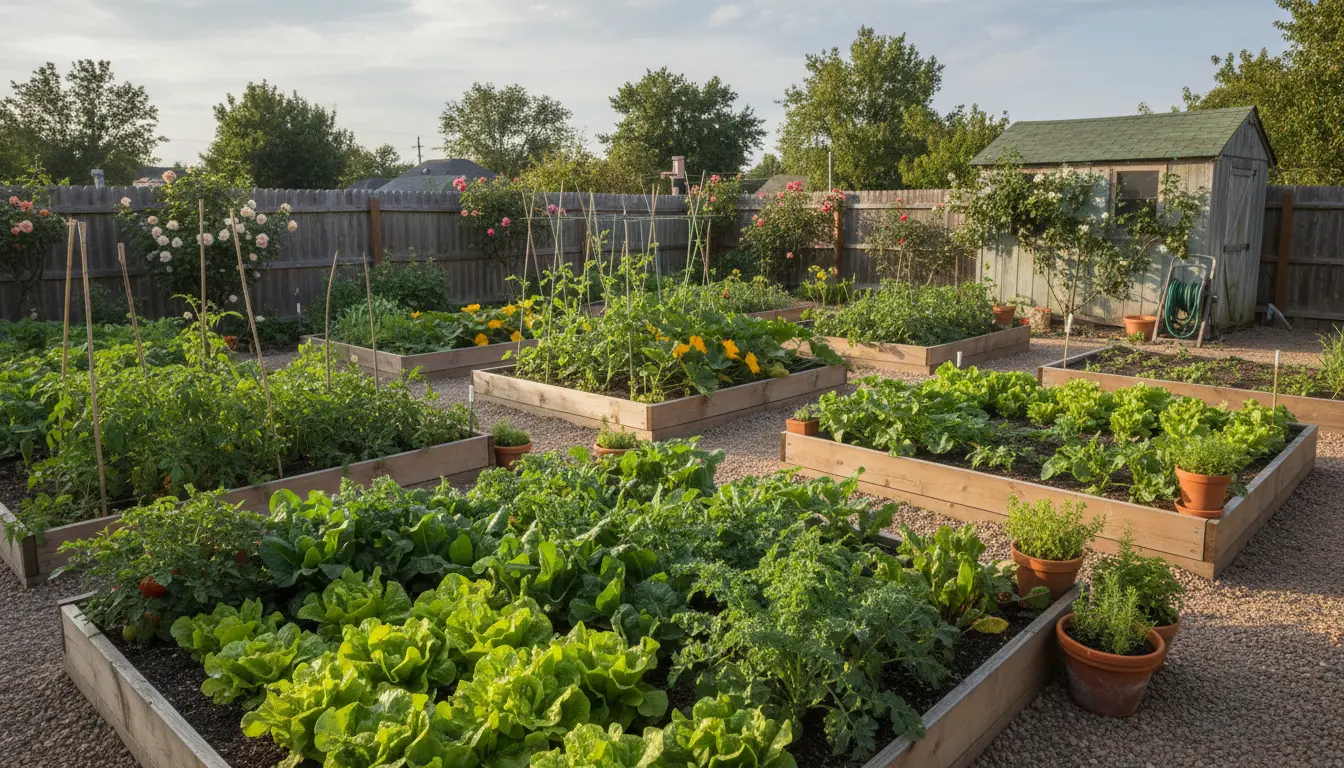
Starting a vegetable garden gives you fresh produce, saves money, and connects you to the food you eat. It is also a manageable hobby that improves outdoor spaces and mental well-being.
This guide explains how to start a vegetable garden with clear steps, simple tools, and practical tips for beginners.
Choose the right location to start a vegetable garden

Location determines sunlight, water access, and convenience. Pick a spot that gets at least six hours of direct sun for most vegetables.
Look for level ground and easy access to a hose or rain barrel. Consider proximity to your kitchen to make harvesting easier.
Sunlight and spacing
Most vegetables need full sun. If you have partial shade, choose shade-tolerant crops like lettuce, spinach, and herbs.
Plan rows or beds so plants have room to grow. Crowding increases disease risk and reduces yield.
Decide bed type and garden size
Options include in-ground rows, raised beds, and containers. Raised beds offer better drainage and control over soil quality.
For beginners, a compact garden of 4 by 8 feet provides a good mix of vegetables without being overwhelming.
Raised beds vs containers
- Raised beds: Better soil, easier weeding, higher yields.
- Containers: Good for patios and small spaces, portable, simple to manage.
- In-ground: Works well if soil is healthy and well-draining.
Prepare soil to start a vegetable garden
Healthy soil is the foundation of a productive garden. Test pH and nutrient levels with a simple kit or local extension service.
Most vegetables prefer slightly acidic to neutral soil (pH 6.0–7.0). Adjust soil with lime or sulfur if needed.
Improve soil structure
Add organic matter like compost or well-rotted manure to boost fertility and drainage. Mix 2–4 inches of compost into the top 6–8 inches of soil.
Use mulch to retain moisture, suppress weeds, and regulate temperature once plants are established.
Choose what to plant
Select vegetables suited to your climate and season. Start with easy crops that offer quick rewards.
Good beginner vegetables include tomatoes, peppers, salad greens, radishes, carrots, beans, and herbs.
Planting from seed vs seedlings
- Seeds: Cheaper and offer more variety but require patience and careful watering.
- Seedlings (transplants): Faster results and easier for warm-season crops like tomatoes.
Follow seed packet or plant tag instructions for spacing and planting depth.
Watering and maintenance tips
Consistent watering is critical. Water deeply once or twice a week depending on rainfall and soil type.
Water at the base of plants early in the day to reduce evaporation and disease risk.
Weed and pest management
Weed regularly; small weeds are easier to remove. Use mulch to reduce weed pressure.
Monitor for pests and use nonchemical measures first: handpicking, row covers, and encouraging beneficial insects.
Harvesting and ongoing care
Harvest regularly to encourage continued production. Pick young, tender vegetables for best flavor.
Rotate crops each season to reduce disease and balance soil nutrients. Add fresh compost annually.
Some vegetables, like radishes and lettuce, can be harvested in as little as 30 days, making them ideal for learning gardening basics and staying motivated.
Simple planting plan for a small garden
Use a 4×8 raised bed layout to maximize space and simplify care. Divide the bed into four 2×4 sections.
- Section 1: Tomatoes (1-2 plants) with staking or cages.
- Section 2: Peppers and basil (companion planting).
- Section 3: Leafy greens and radishes in succession planting.
- Section 4: Bush beans or carrots in rows.
Succession plant by sowing fast crops like lettuce every 2–3 weeks to keep a steady supply.
Small real-world example
Case study: Maria, a novice gardener, started a 4×8 raised bed in spring. She amended soil with compost, planted tomatoes, lettuce, carrots, and bush beans.
By following a simple watering schedule and mulching, Maria harvested salad greens in 30 days and tomatoes by mid-summer. Her garden produced regular meals and reduced grocery trips.
Common beginner mistakes and how to avoid them
- Planting too densely: Follow spacing guidelines to avoid poor air flow and disease.
- Overwatering: Check soil moisture before watering; soggy soil harms roots.
- Ignoring soil health: Test and amend soil; good soil reduces many problems.
Tools and supplies checklist
- Hand trowel and spade
- Garden fork or hoe
- Watering hose or watering can
- Compost or organic matter
- Mulch and plant supports (cages, stakes)
Next steps to start your vegetable garden
Start small, plan your bed, and prepare the soil in early spring. Buy or start seedlings and commit to regular, short maintenance sessions each week.
Keep notes on what you plant and when you harvest. Small records help you improve each season.
With basic steps and regular care, anyone can start a vegetable garden and enjoy fresh home-grown produce. Begin with easy crops, learn from each season, and expand as your confidence grows.