

Getting Started: Why a vegetable garden at home?
Starting a vegetable garden at home gives you fresh produce, saves money, and connects you with the growing process. Even small spaces like balconies or patios can grow herbs and salad greens.
This guide explains how to start a vegetable garden with practical steps you can follow the first weekend.
Plan Before You Start a Vegetable Garden
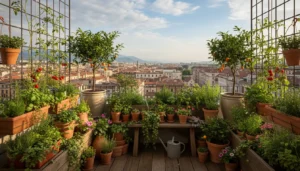
A clear plan prevents wasted time and money. Decide what you want to grow and consider your space and climate.
Choose vegetables that match your needs
Select easy-to-grow crops for your first season. Leafy greens, radishes, bush beans, and cherry tomatoes are forgiving choices. Pick varieties labeled for containers if you have limited space.
Assess space and sunlight
Vegetable gardens need at least 4–6 hours of direct sun daily for many crops. More sun gives higher yields. Observe your space for a few days to identify sunny and shady areas.
Prepare Soil to Start a Vegetable Garden
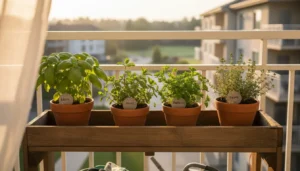
Healthy soil is the foundation of a productive garden. Good soil holds water, drains excess, and supplies nutrients.
Test and improve your soil
Use a home soil test or a lab test to check pH and nutrient levels. Most vegetables prefer slightly acidic to neutral soil (pH 6.0–7.0).
If soil is poor, add organic matter such as compost or well-rotted manure. Mix 2–4 inches of compost into the top 6–8 inches of soil for raised beds or in-ground gardens.
Build the Right Bed or Container
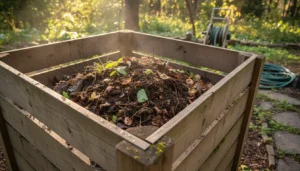
You can start a vegetable garden in beds, containers, or raised beds. Choose what fits your site and budget.
- In-ground beds: Less expensive, works well if soil drainage is good.
- Raised beds: Better drainage and easier soil control, good for compact spaces.
- Containers: Ideal for balconies and patios; use high-quality potting mix and ensure drainage holes.
Soil mix for containers
Use a lightweight potting mix with compost and a slow-release organic fertilizer. Avoid garden soil alone in containers because it compacts and drains poorly.
Planting: How to Start a Vegetable Garden with Seeds or Seedlings
Decide whether to sow seeds or plant seedlings. Seeds are cheaper and offer more variety, while seedlings give a head start.
- Direct sow: Carrots, radishes, beans, and peas do well direct-seeded into the soil.
- Transplant seedlings: Tomatoes, peppers, and many brassicas benefit from seedlings started indoors or bought from a nursery.
Follow spacing and depth instructions on seed packets or plant labels. Crowding reduces air flow and increases disease risk.
Watering and Fertilizing Your Vegetable Garden
Consistent watering is critical for steady growth and good yields. Most vegetables need about 1 inch of water per week, adjusted for rain and temperature.
Watering tips
- Water deeply and infrequently to encourage strong roots.
- Water at the base of plants to keep foliage dry and reduce disease.
- Use mulch to conserve moisture and suppress weeds.
Fertilizing basics
Apply organic fertilizers like compost tea, fish emulsion, or balanced granular feeds. Side-dress vegetables like corn and tomatoes mid-season with a nitrogen boost if growth slows.
Pest and Disease Management for Your Vegetable Garden
Simple, preventive steps cut pest and disease problems. Scan plants regularly and act early on issues.
- Rotate crops yearly to reduce soil-borne problems.
- Encourage beneficial insects by planting flowers like marigolds and nasturtiums.
- Hand-pick larger pests like slugs and beetles when possible.
- Use row covers to protect young plants from insects and frost.
Harvesting and Ongoing Care
Harvest vegetables when they reach recommended size for best flavor and to encourage continuous production. Regular harvesting helps some plants, like beans and zucchini, produce more.
Keep beds tidy by removing spent plants and adding them to compost. Replenish mulch and check soil moisture weekly during hot weather.
Small Case Study: Balcony Garden Success
Case study: Maria, an apartment renter, started a vegetable garden in four 12-inch containers. She planted cherry tomatoes, basil, lettuce, and bush beans.
Within three months, Maria harvested weekly salads and several tomato bowls. Key actions that worked were using a quality potting mix, daily morning watering, staking tomatoes, and rotating lettuce with spinach.
Many common vegetables can be regrown from kitchen scraps. For example, green onions and lettuce can regrow from root bases placed in water or soil.
Quick Checklist to Start a Vegetable Garden
- Choose a sunny spot or bright balcony.
- Decide between containers, raised beds, or in-ground planting.
- Test and amend soil with compost.
- Pick easy crops for your first season.
- Water consistently and mulch to conserve moisture.
- Monitor for pests and rotate crops annually.
Final Tips for Gardeners Who Want to Start a Vegetable Garden
Start small and expand as you learn what grows well for your climate and taste. Keep a simple journal to note planting dates, varieties, and harvests — this helps improve next season’s planning.
With patience and consistent care, you can successfully start a vegetable garden at home and enjoy the rewards of fresh, homegrown produce.