
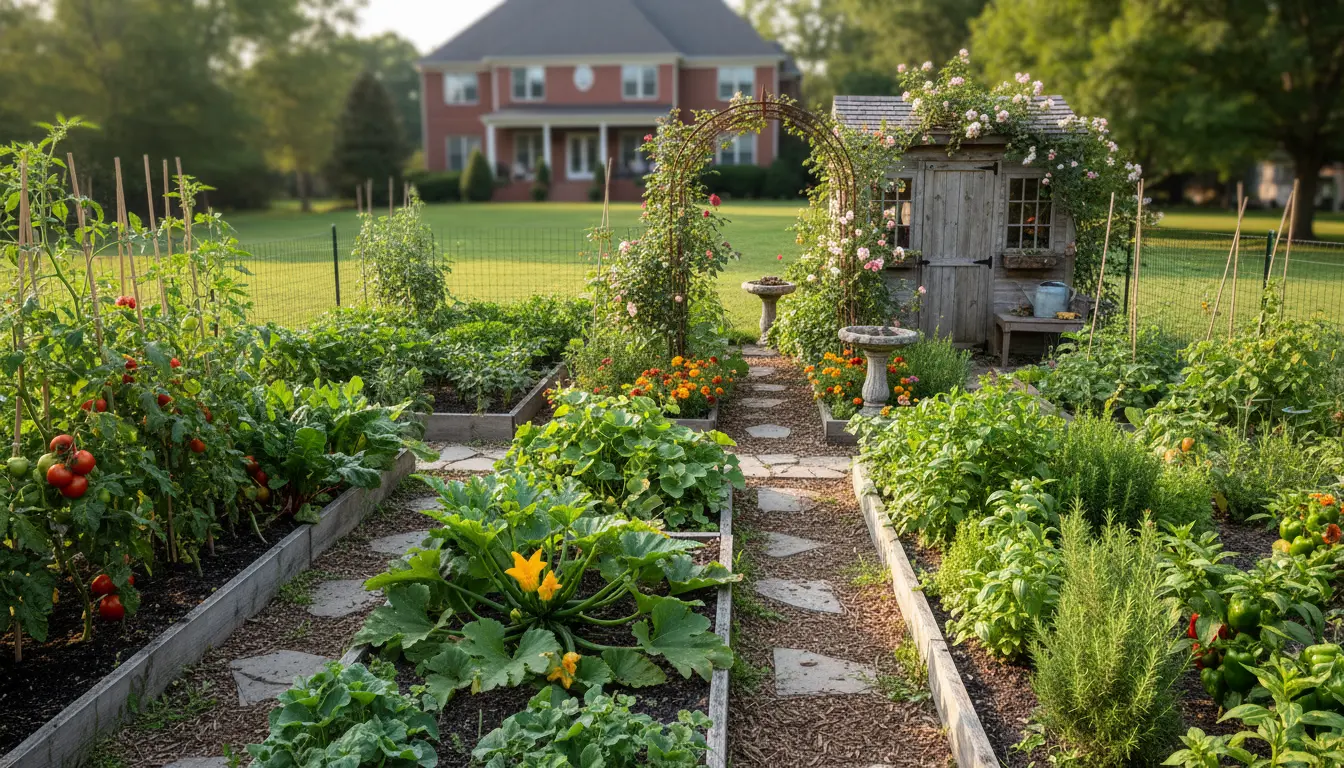
Start a Vegetable Garden: Quick Overview
Starting a vegetable garden is achievable on any scale, from a balcony box to a backyard plot. This guide gives step-by-step, practical instructions so beginners can plan, plant, and manage a productive garden.
Start a Vegetable Garden: Plan Your Space
Select a sunny spot that gets at least 6 hours of direct sunlight daily for most vegetables. If ground space is limited, consider containers or raised beds to control soil quality and drainage.
Measure the available area and sketch a simple layout. Keep paths and access clear to make watering and harvesting easier.
Site Checklist
- Sun exposure: 6–8 hours preferred
- Water access: hose or nearby tap
- Soil drainage: avoid waterlogged spots
- Protection: consider windbreaks or fencing
Start a Vegetable Garden: Prepare Healthy Soil
Healthy soil is the foundation of a productive vegetable garden. Test soil pH and texture if possible; most vegetables prefer slightly acidic to neutral soil (pH 6.0–7.0).
Amend the soil with compost and organic matter to improve structure, fertility, and water retention. For raised beds or containers, use a quality planting mix blended with compost.
Soil Improvement Steps
- Add 2–3 inches of compost and work it into the top 6–8 inches of soil.
- Use well-rotted manure or leaf mold sparingly for additional nutrients.
- Mulch with straw or wood chips to keep weeds down and retain moisture.
Start a Vegetable Garden: Choose What to Plant
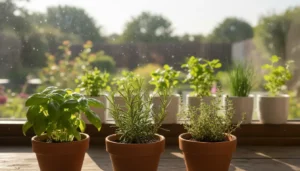
Pick vegetables that match your climate, season, and cooking preferences. Beginners should start with easy, reliable crops like lettuce, radishes, beans, tomatoes, and herbs.
Check your local frost dates and plant cool-season crops (lettuce, spinach, peas) before the last frost; plant warm-season crops (tomatoes, peppers, cucumbers) after the danger of frost has passed.
Vegetable Selection Tips
- Start small: focus on 4–6 varieties to avoid overwhelm.
- Choose compact or bush varieties for limited space.
- Pair fast-growing crops (radishes) with slower ones (tomatoes) for continuous harvest.
Start a Vegetable Garden: Planting and Timing
Follow seed packet or plant tag instructions for spacing and depth. Proper spacing reduces disease risk and improves yields by allowing air and light to circulate.
Stagger plantings of quick crops every 2–3 weeks to extend harvest season. Use succession planting to maximize small spaces.
Basic Planting Schedule Example
- Spring: Peas, lettuce, radishes, early potatoes
- Late spring: Tomatoes, peppers, cucumbers, beans
- Fall: Kale, spinach, carrots, beets
Start a Vegetable Garden: Watering and Maintenance
Consistent watering matters more than frequent shallow watering. Aim for deep, infrequent watering to encourage strong root systems.
Use drip irrigation or soaker hoses when possible to deliver water at the soil level and reduce leaf wetness that can cause diseases.
Weekly Maintenance Checklist
- Check soil moisture and water deeply when top 1–2 inches are dry.
- Weed regularly to reduce competition for nutrients and water.
- Inspect plants for pests and disease; remove affected leaves early.
- Harvest ripe vegetables promptly to encourage more production.
Start a Vegetable Garden: Simple Pest and Disease Controls
Use basic preventive measures: crop rotation, good spacing, and healthy soil. Many common pests can be managed with hand removal or physical barriers like row covers.
Introduce beneficial insects by planting flowers and herbs nearby. Use organic options such as insecticidal soap for localized problems.
Case Study: Small Raised Bed Success
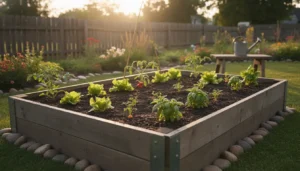
Sarah, a beginner in a small city backyard, used a 4×8 raised bed to start her vegetable garden. She filled it with a 50/50 mix of compost and topsoil, planted determinate tomatoes, basil, leaf lettuce, and bush beans.
By following a simple watering schedule and adding mulch, she harvested fresh salad greens within six weeks and tomatoes by mid-summer. Her focused selection and weekly checks kept pest problems minimal.
Start a Vegetable Garden: Harvesting and Scaling Up
Harvest vegetables at peak ripeness for the best flavor and nutrition. Regular harvesting also encourages plants like beans and zucchini to produce more.
As confidence grows, expand by adding new varieties, a second raised bed, or vertical supports for vining crops like cucumbers and pole beans.
Practical Examples and Planting Ideas
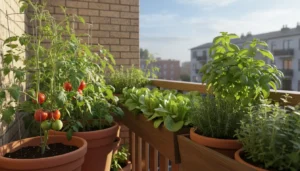
- Small balcony: three 12-inch containers with cherry tomatoes, basil, and lettuce
- Small bed: 4×4 bed with rows of radishes, carrots, and a trellis for peas
- Family garden: two 4×8 beds—one for warm-season crops, one for cool-season rotation
Interplanting flowers like marigolds can reduce certain pests while attracting pollinators that improve vegetable yields.
Start a Vegetable Garden: Final Tips
Start small, keep a planting calendar, and learn from each season. A successful garden is built on consistent care, healthy soil, and appropriate plant choices.
Keep notes on what worked and what did not—this simple habit speeds improvement and increases yields year after year.