
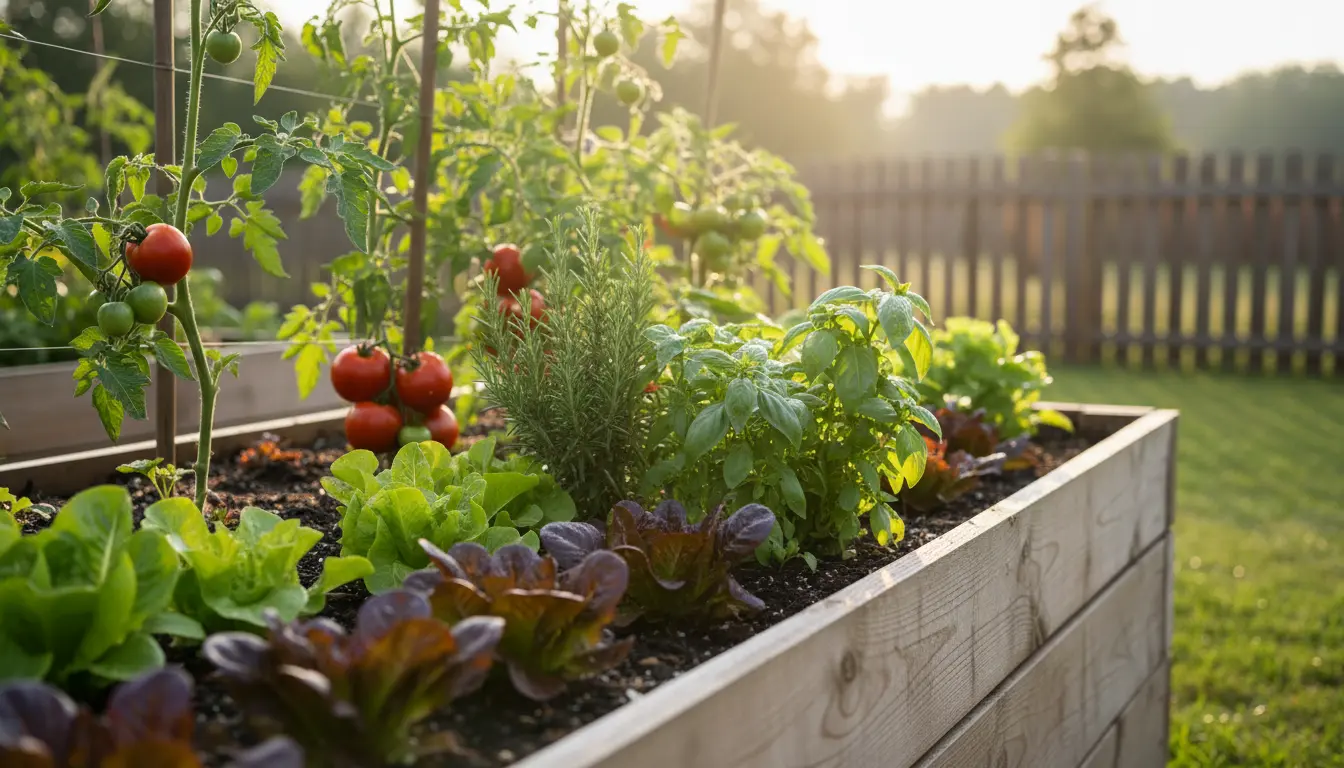
Beginner guide to start a vegetable garden
Starting a vegetable garden is a practical way to grow fresh food, save money, and enjoy time outside. This guide gives clear, step-by-step instructions for planning, planting, and maintaining a productive garden.
Why start a vegetable garden
Growing vegetables at home improves food quality and reduces grocery costs. It also gives control over growing methods, such as avoiding chemical pesticides.
Even small spaces like balconies or patios can support productive container gardens for common vegetables.
Plan your vegetable garden
Good planning saves time and increases yield. Start with site selection, garden size, and what you want to grow.
Choose the best location to start a vegetable garden
Select a spot with at least 6 hours of direct sun for most vegetables. Ensure good drainage and easy access to water.
Consider proximity to your kitchen for quick harvesting and frequent checks.
Decide what to grow
Pick vegetables you like to eat and that match your climate and season. For beginners, choose easy crops like lettuce, radishes, bush beans, and tomatoes.
- Lettuce and salad greens — fast, continuous harvest
- Radishes — mature in 3–4 weeks
- Tomatoes — higher reward with staking
- Herbs — basil, parsley, and chives for flavor
Tools and materials
Basic tools reduce effort and speed setup. Keep the list short and functional.
- Hand trowel and spade
- Garden fork or tiller for larger plots
- Watering can or hose with a gentle nozzle
- Compost or organic fertilizer
- Mulch and stakes or cages
Prepare soil and beds

Soil is the foundation of success. Test and improve your soil before planting.
Soil testing and improvement
Get a basic pH and nutrient test from a local extension office or use a home kit. Most vegetables prefer slightly acidic to neutral soil (pH 6.0–7.0).
Work in compost to improve texture and fertility. For heavy clay, add coarse sand and organic matter. For sandy soils, add compost and mulch to retain moisture.
Raised beds and containers
Raised beds warm up faster and drain better, which helps early-season planting. Containers are ideal for balconies and patios.
Use a good-quality potting mix for containers and a loose mix of topsoil and compost for beds.
Planting and care to start a vegetable garden
Follow guidelines for spacing and timing. Seeds and seedlings need different care.
Planting tips
Sow seeds at the depth recommended on the packet. Space plants to allow airflow and reduce disease.
Transplant seedlings on a cool, cloudy day or in the evening to reduce transplant shock.
Watering and mulching
Water deeply and less often to encourage strong root growth. Aim for consistent moisture, especially during flowering and fruit set.
Apply 2–3 inches of organic mulch to conserve moisture, suppress weeds, and moderate soil temperature.
Feeding and rotation
Feed with compost or a balanced organic fertilizer once or twice during the season. Leafy greens prefer more nitrogen, while fruiting vegetables benefit from phosphorus and potassium.
Rotate crops each year to prevent nutrient depletion and reduce pest build-up.
Pest and disease management
Use a layered approach: prevention, monitoring, and targeted control.
- Inspect plants weekly for signs of pests or disease.
- Encourage beneficial insects with flowers and diverse planting.
- Use physical barriers like row covers for early pests.
- For infestations, use organic options like insecticidal soap or neem oil following label directions.
Harvesting and ongoing care
Harvest frequently to encourage continuous production. Pick vegetables at peak ripeness for best flavor and nutrition.
Keep records of planting dates, varieties, and yields to improve planning next season.
Small case study: Suburban 10x Yield Backyard
A family converted a 200 sq ft lawn patch into four 4×8 ft raised beds. They planted staggered lettuce, two tomato plants per bed, carrots, and bush beans.
By staggering planting dates and using compost tea monthly, they harvested salad greens for five months and produced enough tomatoes and beans to preserve and share. Initial costs were recouped in the first season through reduced grocery bills.
Many common vegetables, like lettuce and radishes, can be grown in as little as 6 inches of soil—perfect for shallow containers or window boxes.
Quick checklist to start a vegetable garden
- Choose a sunny site and test the soil
- Decide on bed type: in-ground, raised, or containers
- Select beginner-friendly crops and buy quality seeds or seedlings
- Amend soil with compost and set up watering
- Mulch, monitor, and harvest regularly
Starting a vegetable garden is manageable with basic planning and consistent care. Begin small, learn from each season, and expand as you gain confidence.