
Overview: Why Start a Vegetable Garden
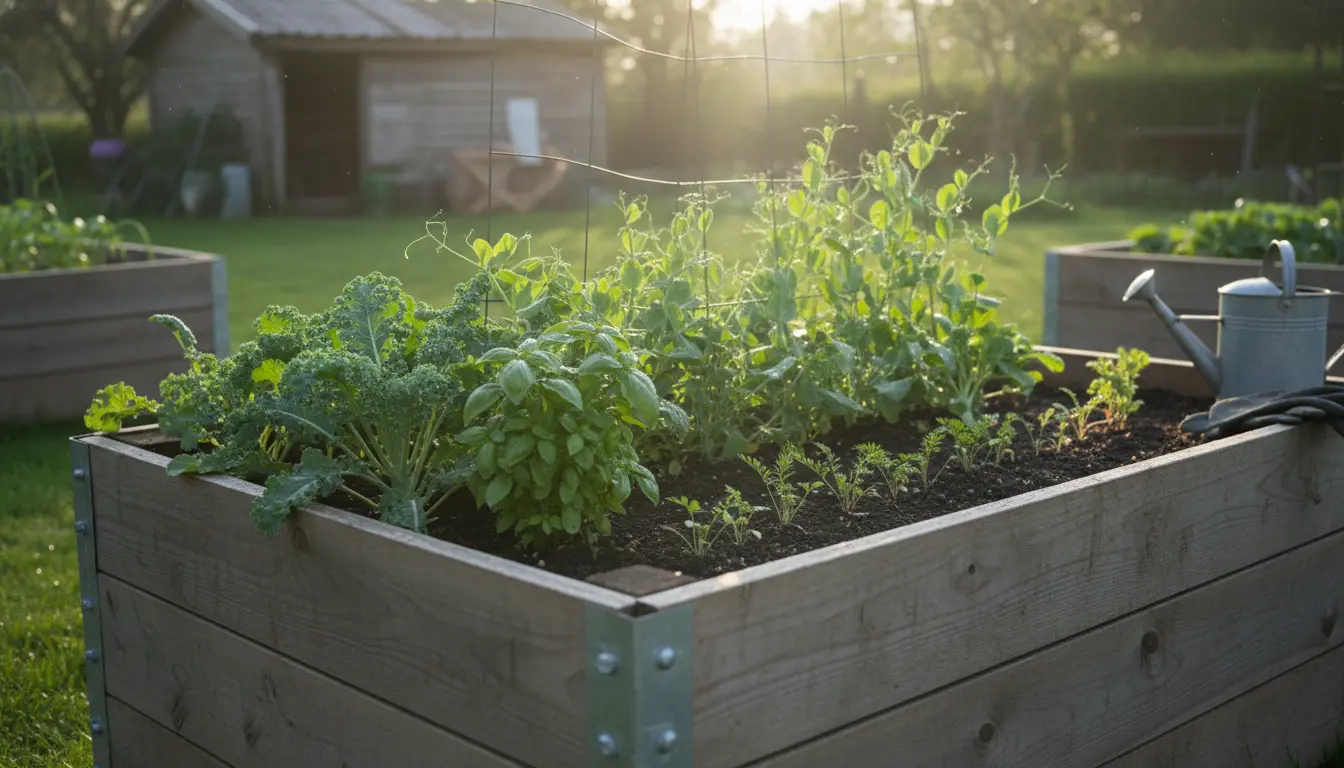
Growing your own vegetables saves money, improves meal quality, and gives control over how produce is grown. You do not need a large space or fancy tools to begin.
This guide walks through planning, soil preparation, planting, maintenance, and a short case study to help you start a vegetable garden with confidence.
Start a Vegetable Garden: Planning and Site Selection
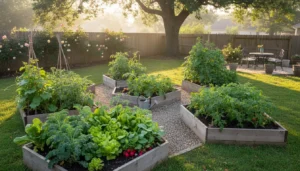
Choose a site that gets at least 6 hours of sun daily. Vegetables like tomatoes, peppers, and cucumbers need full sun to produce well.
Consider proximity to a water source, ease of access, and drainage. Avoid low spots that stay wet after rain.
Decide Type of Garden
- In-ground bed: Good for larger yards and deeper roots.
- Raised bed: Warmer soil, better drainage, easier on the back.
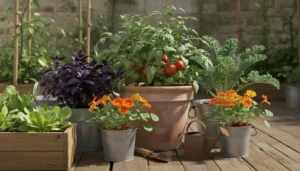
- Container gardening: Ideal for balconies or patios, portable and low-maintenance.
Prepare Soil to Start a Vegetable Garden
Soil quality determines long-term success. Test soil pH and basic nutrients using an inexpensive kit or local extension service.
Most vegetables prefer a pH between 6.0 and 7.0. Amend soil with compost to improve structure and fertility.
Soil Preparation Steps
- Clear the area of weeds and debris.
- Loosen soil to 8–12 inches for in-ground beds or fill raised beds with a mix of topsoil and compost.
- Incorporate 2–3 inches of compost and, if needed, a balanced organic fertilizer following label rates.
Choose Vegetables for Beginners
Select easy, high-yield crops to build confidence. Plant succession crops for steady harvests.
- Quick growers: Radishes, lettuce, spinach.
- Reliable producers: Tomatoes, zucchini, bush beans.
- Low-maintenance: Carrots, beets, herbs like basil and parsley.
Planting Tips
Follow seed packet or plant tag spacing and depth directly. Overcrowding reduces airflow and increases disease risk.
Stagger plantings (every 2–3 weeks for lettuces) to extend harvest times and make better use of space.
Watering and Maintenance
Consistent watering is critical, especially during flowering and fruit set. Aim for deep, infrequent watering to encourage strong roots.
Mulch around plants to conserve moisture, suppress weeds, and moderate soil temperature.
Pest and Disease Management
Monitor plants weekly for signs of pests or disease. Early action prevents spread and larger problems.
- Use physical barriers like row covers for insects.
- Handpick larger pests (slugs, caterpillars).
- Choose resistant varieties and rotate crops yearly to reduce soil-borne diseases.
Harvesting and Continual Care
Harvest vegetables when they reach recommended size and color. Frequent harvesting often encourages more production.
Keep records of planting dates, varieties, and yields to refine choices in future seasons.
Many common vegetables mature in less than 60 days. Radishes can be harvested in as little as three weeks from sowing.
Small Case Study: A Beginner Backyard Bed
Anna, a first-time gardener, started a 4×8 raised bed in spring on a sunny side yard. She filled it with a 50/50 mix of compost and topsoil and planted tomatoes, bush beans, lettuce, and basil.
She mulched, watered deeply twice a week, and used stakes for tomato support. By mid-summer she harvested regular salads and two large batches of canned tomato sauce.
Key wins: compact layout, succession planting of lettuce, and staking tomatoes improved yields without extra expense.
Example Planting Calendar to Start a Vegetable Garden
- Early spring: Prepare beds, sow cool-season greens and peas.
- After last frost: Transplant tomatoes, peppers, and cucurbits.
- Mid-summer: Sow fall crops like spinach and radishes for autumn harvest.
Common Beginner Mistakes
- Overwatering or shallow frequent watering.
- Planting too close together to maximize early yields.
- Skipping soil testing and relying only on store-bought soil mixes without amendments.
Quick Checklist Before You Start a Vegetable Garden
- Select a sunny, accessible site
- Test and amend the soil
- Choose easy varieties and plan succession plantings
- Install irrigation or plan a watering schedule
- Mulch and protect young plants from pests
Starting a vegetable garden is a repeatable process: plan, prepare soil, plant the right crops, and maintain consistent care. Use small experiments to learn what grows best in your space and expand gradually.