
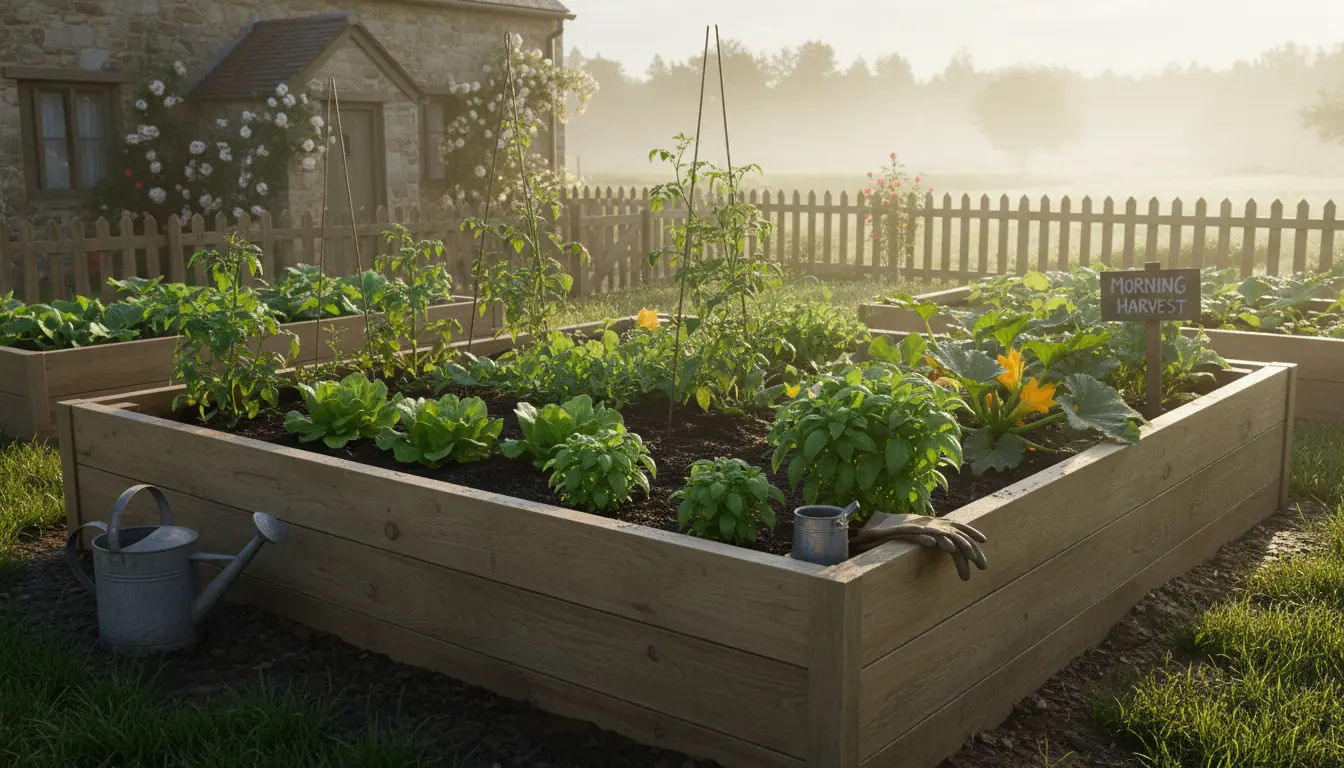
Starting a vegetable garden can be simple and rewarding. This guide breaks down the key steps so beginners can plan, plant, and maintain a productive garden with confidence.
Choose the Right Location to Start a Vegetable Garden
Pick a spot that gets at least six hours of direct sunlight daily. Vegetables need sun to make energy and grow well.

Consider proximity to water and how easy it will be to access the bed for planting and harvesting. Avoid low spots that collect cold air or water.
Sunlight and Microclimates
Observe the site across a day to note shade patterns. South-facing locations usually get the most consistent sun.
Use small structures, fences, or reflective surfaces to modify light and create favorable microclimates for tender crops.
Prepare Soil for a Successful Vegetable Garden
Good soil is the foundation of any vegetable garden. Test your soil’s texture, drainage, and pH before planting.
Amend heavy clay or sandy soils with organic matter to improve structure and fertility.
Soil Improvement Steps
- Test pH and nutrients with a kit or local extension service.
- Add 2–4 inches of compost and work it into the top 6–8 inches of soil.
- Use well-rotted manure or composted leaves for long-term fertility.
- Mulch after planting to retain moisture and reduce weeds.
Plan What to Plant in a Vegetable Garden
Choose crops suited to your climate, season, and the space you have available. Start with easy, high-yield vegetables.
Consider companion planting and crop rotation to reduce pests and soil depletion.
Beginner-Friendly Vegetables
- Tomatoes (staked or caged)
- Leafy greens (lettuce, spinach, chard)
- Beans and peas (pole or bush varieties)
- Zucchini and summer squash
- Root crops (carrots, radishes, beets)
Planting and Spacing Tips
Follow seed packet or plant tag spacing to avoid overcrowding. Proper spacing improves air circulation and reduces disease.
Stagger planting for continuous harvests, and use succession sowing for crops like lettuce and radishes.
Watering and Irrigation
Water deeply at the soil level to encourage strong root growth. Early morning watering reduces evaporation and leaf diseases.
Consider drip irrigation or soaker hoses for efficiency and consistent moisture.
Maintenance: Feeding, Weeding, and Pest Control
Regular maintenance keeps a vegetable garden productive. Monitor plants weekly and act early on issues.
Feed plants with balanced organic fertilizer during the growing season based on crop needs.
Practical Pest and Disease Management
- Handpick large pests like caterpillars and slugs.
- Use row covers for early-season protection against insects and birds.
- Encourage beneficial insects by planting flowers like marigolds and dill.
- Rotate crops yearly to break pest and disease cycles.
Harvesting and Extending the Season
Harvest vegetables when they reach recommended size for best flavor and productivity. Frequent harvesting often encourages more production.
Use cold frames, cloches, or high tunnels to extend the season for cool-weather crops.
One well-tended 100 square foot vegetable garden can produce as much as 600 pounds of food in a season, depending on crops and climate.
Small Real-World Example: A Beginner Case Study
Maria started a 10×10 raised bed in an urban backyard. She chose tomatoes, bush beans, lettuce, and carrots for her first season.
By improving the soil with compost and using drip irrigation, she harvested fresh salad greens weekly and 20 pounds of tomatoes over the summer. Maria rotated beans with leafy greens the next season to reduce soil nitrogen loss.
Common Mistakes When You Start a Vegetable Garden
- Overwatering young plants, which causes root rot.
- Planting too densely, leading to poor air flow and disease.
- Skipping soil tests and assuming fertility is adequate.
- Not planning for succession planting and running out of space mid-season.
Quick Checklist to Start a Vegetable Garden
- Select a sunny site near water.
- Test and amend soil with compost.
- Choose 4–6 easy crops for your first season.
- Space and plant according to instructions.
- Water deeply and mulch to conserve moisture.
- Monitor for pests, feed as needed, and harvest regularly.
Starting a vegetable garden is a step-by-step process that rewards planning and small consistent actions. Begin small, learn each season, and expand as your skills grow.