
How to Start a Vegetable Garden: First Steps
Starting a vegetable garden is a practical way to grow fresh food and learn new skills. This guide covers clear steps you can follow whether you have a backyard, balcony, or community plot.
Keep the plan simple: choose a spot, test the soil, pick easy crops, and set a maintenance schedule. Follow the steps below to avoid common beginner mistakes.
Plan Your Garden Space and Goals
Decide what you want to grow and how much time you can spend. Small efforts like a few tomato plants or herbs can be rewarding without being overwhelming.
Consider harvest goals, seasonality, and daily sunlight. Most vegetables need at least six hours of direct sun to produce well.
Choose the Right Spot
Pick a location with full sun and good drainage. Avoid low spots where water pools after rain.
If you only have shade or a small balcony, choose shade-tolerant vegetables or use containers with lighter soils to improve heat retention.
Decide Between Beds, Rows, or Containers
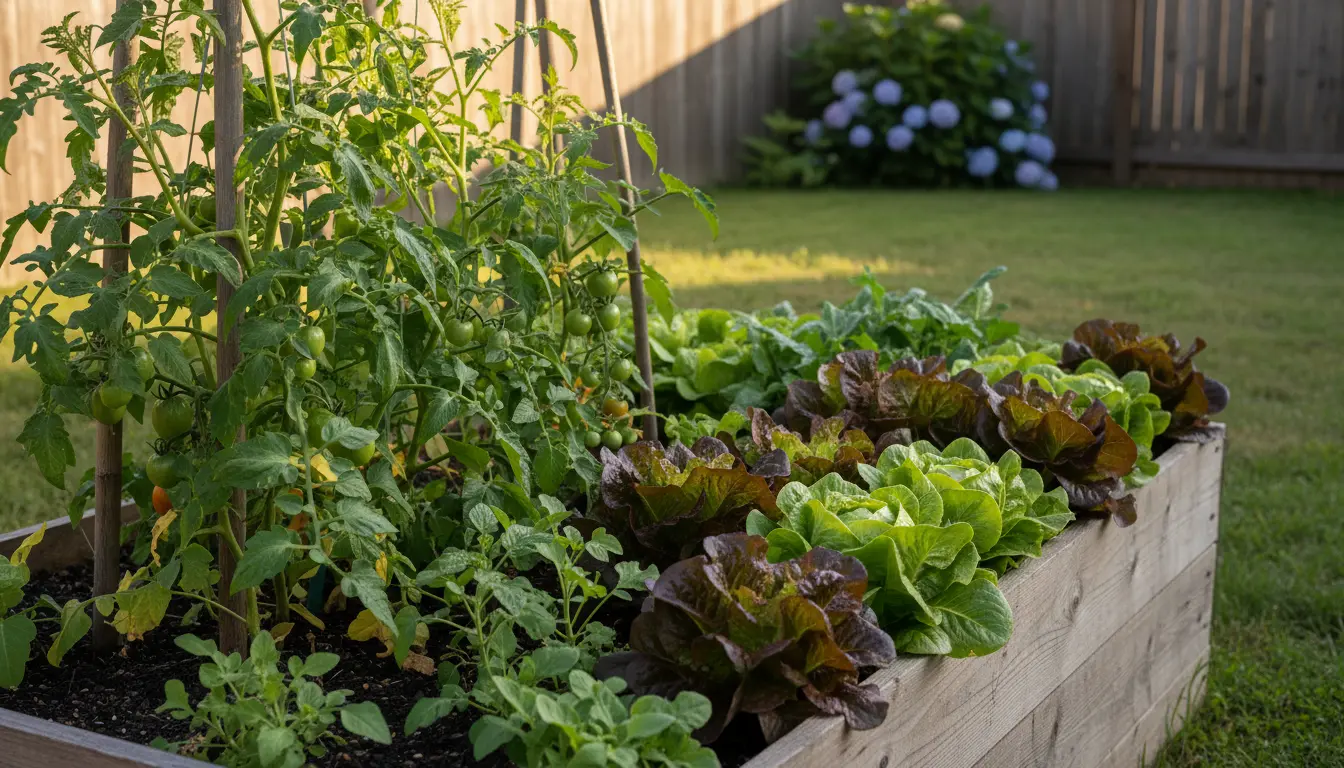
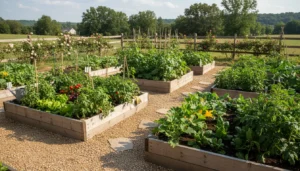
Raised beds improve soil control and drainage. Rows work well for larger yards. Containers are ideal for balconies and patios.
- Raised beds: better drainage and fewer weeds.
- Rows: lower setup cost, works on lawns.
- Containers: portable, easy for renters.
Prepare Soil and Test Conditions
Healthy soil is the foundation of a productive vegetable garden. Spend time improving soil structure and fertility before planting.
Test basic soil pH and nutrient levels using a simple home kit or a local extension service.
How to Improve Soil Quickly
Add organic matter like compost or well-rotted manure to boost fertility and drainage. Spread 2–3 inches of compost over the bed and mix it into the top 6–8 inches of soil.
For clay soils, add coarse sand and compost to break compaction. For sandy soils, add compost and mulch to retain moisture.
Choose Vegetables for Beginners
Select crops that are known for being forgiving and productive. Start with a few types and expand as you gain experience.
- Tomatoes (determinate types for containers)
- Lettuce and salad greens
- Radishes (fast-growing)
- Green beans (bush varieties)
- Zucchini and summer squash
Consider Planting Schedule and Succession
Plan for continuous harvests by staggering planting dates. For example, sow lettuce every two weeks to keep steady greens through the season.
Use a simple calendar: note your last frost date and schedule seed starting or direct sowing based on that date.
Planting and Early Care
Follow seed packet directions for depth and spacing. Overcrowding reduces airflow and increases disease risk.
Water gently after planting to settle soil around roots. Mulch with straw or shredded leaves to conserve moisture and suppress weeds.
Watering and Feeding
Water deeply and less often rather than frequent shallow watering. Aim for consistent soil moisture, especially during fruiting.
Feed with a balanced organic fertilizer or compost tea every 3–4 weeks for heavy feeders like tomatoes and squash.
Pest and Disease Basics
Start with prevention: keep beds clean, rotate crops, and encourage beneficial insects like ladybugs and lacewings.
Inspect plants regularly. Remove affected leaves early and use targeted organic controls when necessary.
Common Problems and Quick Fixes
- Aphids: spray with strong water jet or insecticidal soap.
- Blight on tomatoes: remove infected foliage and improve airflow.
- Slugs: use traps such as shallow dishes of beer or handpick at dusk.
Planting marigolds near vegetables can naturally reduce some soil pests and attract pollinators. Companion planting is a low-cost pest management technique used by gardeners for centuries.
Small Real-World Case Study
Case study: A renter named Maria started a container vegetable garden on her 8-foot balcony. She used three 20-gallon pots and two hanging baskets.
Her first season results: 6 cherry tomato plants, 4 basil pots, 3 lettuce pots, and 2 pepper plants. She harvested tomatoes weekly and extended the season with a simple frost blanket.
- Investment: $120 for containers and soil.
- Yield: enough salad greens and tomatoes for a household of two most weeks.
- Time: 30 minutes maintenance, 3 times per week.
Maria’s success shows that limited space and a small budget can still produce meaningful harvests with planning and consistent care.
Season-End Tips and Next Steps
At season end, remove spent plants and add them to compost. Test soil and add amendments for next year while conditions are still workable.
Keep notes: document planting dates, varieties, pest issues, and yields to refine your plan next season.
Simple Starter Checklist
- Choose sunny spot and container or bed
- Test soil pH and add compost
- Select 3–5 beginner-friendly crops
- Plant according to frost dates
- Water, mulch, and monitor pests weekly
Starting a vegetable garden is a learning process. Keep expectations realistic, learn from each season, and scale up as your confidence grows. With basic planning and steady care you can enjoy fresh, homegrown produce and the satisfaction that comes with it.