
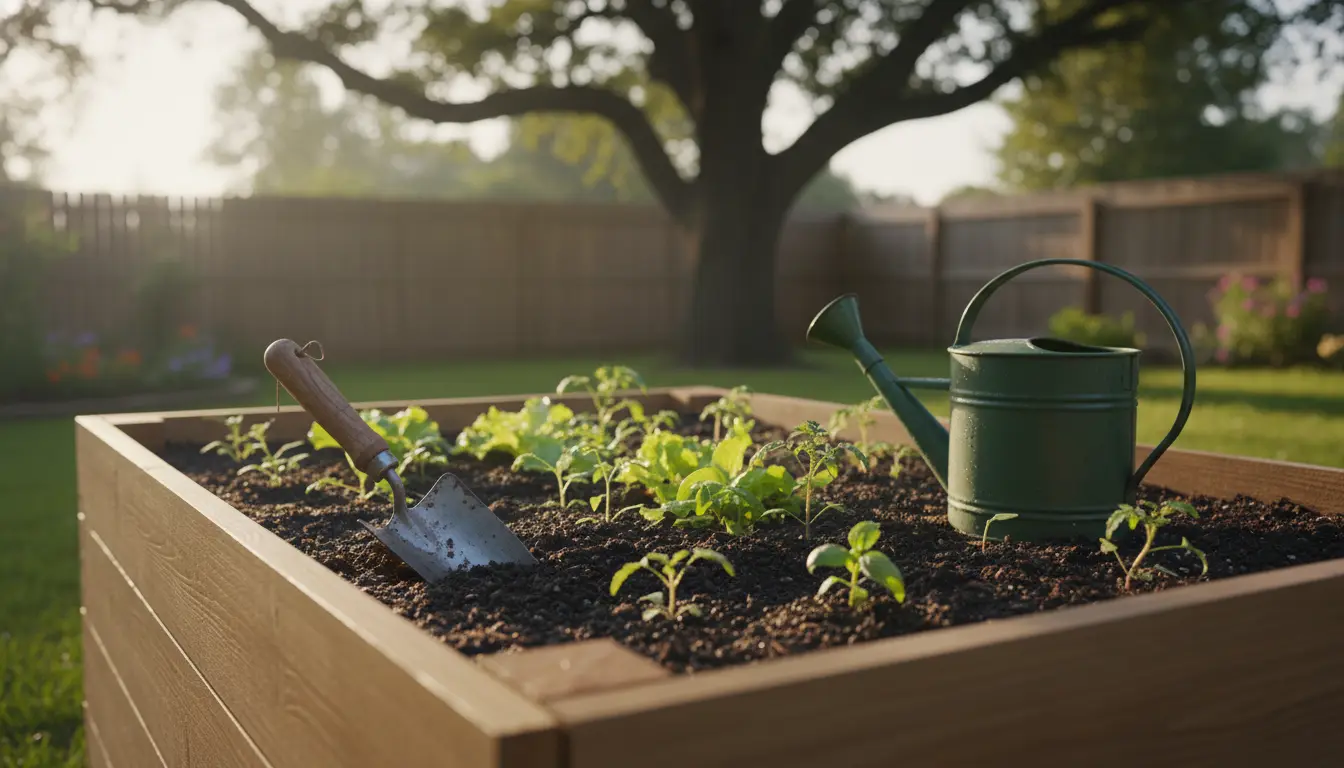
How to Start a Vegetable Garden
Starting a vegetable garden is a practical way to grow fresh food and learn basic plant care. This guide lays out clear steps you can follow, whether you have a small balcony or a backyard plot.
Decide What You Want to Grow
Begin with a short list of vegetables you actually eat. Choose 3–6 easy crops to prevent overwhelm and to learn success before expanding.
- Fast growers: radishes, lettuce, spinach
- Reliable staples: tomatoes, peppers, green beans
- Low-maintenance: Swiss chard, herbs like basil and parsley
Choosing Where to Start a Vegetable Garden
Location matters. Most vegetables need at least six hours of direct sunlight daily to produce well.
Look for flat areas with good drainage and easy water access. If you only have shade, select shade-tolerant greens or use containers on the sunniest spot.
Prepare Soil and Beds
Healthy soil is the foundation of a productive garden. Test texture and drainage by digging a small hole and filling with water; it should drain within a few hours.
Improve soil with organic matter like compost. For heavy clay, add compost and coarse sand to loosen it. For sandy soil, add compost to raise water and nutrient retention.
- Raised beds: Better control of soil and drainage, ideal for small yards.
- In-ground beds: Lower cost but may need more soil improvement.
- Containers: Good for balconies, patios, and limited space.
Soil Preparation Steps
Follow these quick steps before planting:
- Clear weeds and grass from the bed area.
- Loosen soil to 8–12 inches with a fork or tiller.
- Work in 2–4 inches of compost or well-rotted manure.
- Level the surface and water to settle the soil.
Plan Your Planting
Map your garden on paper or a simple sketch. Group plants by water needs and height to avoid shading smaller crops.
Consider succession planting to extend harvests: plant a new row of lettuce every 2–3 weeks for a continuous supply.
Timing and Seedlings
Follow local planting dates—last spring frost is the key marker. Use seed packets or local extension service charts to match crops to your climate.
Start tomatoes and peppers indoors 6–8 weeks before the last frost, or buy seedlings from a nursery to simplify the process.
Watering and Maintenance
Consistent watering is crucial. Aim for deep, infrequent watering to encourage strong roots rather than frequent shallow watering.
- Morning watering reduces disease risk.
- Use drip irrigation or soaker hoses to save water and keep foliage dry.
- Mulch with straw or wood chips to retain moisture and suppress weeds.
Pest and Weed Management
Monitor plants weekly for pests and disease. Handpick pests when possible and use row covers for early-season protection.
Encourage beneficial insects by planting flowers like marigolds, calendula, or dill nearby. Rotate crops each year to reduce pest buildup in the soil.
Harvesting and Ongoing Care
Harvest vegetables at peak ripeness to enjoy best flavor and to encourage continued production. Regular harvesting often leads to greater yields.
Keep a simple log of planting and harvest dates. This helps you refine timing for next season and note what varieties performed best.
One raised bed (4 x 8 feet) can produce a family of four fresh salad greens all summer with succession planting and regular harvesting.
Simple Tools You Need to Start a Vegetable Garden
- Trowel and hand fork for small beds
- Spade or digging fork for soil preparation
- Watering can or hose with a gentle nozzle
- Garden gloves and a small rake
- Mulch and compost supply
Small Real-World Example
Case study: Sarah, a beginner with a 10 x 6 foot backyard, built two 4 x 3 foot raised beds. She filled them with a mix of topsoil and compost, planted tomatoes, lettuce, and bush beans, and used a drip line for watering.
In her first season, she harvested weekly salads and a steady supply of beans from July to September. Simple records helped her move her tomato cages earlier the next year for better support.
Quick Troubleshooting
- Yellowing leaves: Check for overwatering or nutrient deficiency; add compost or a balanced fertilizer.
- Poor germination: Increase soil warmth or start seeds indoors.
- Slugs and snails: Use barriers, traps, or hand removal in the evening.
Final Tips to Start a Vegetable Garden Successfully
Start small and be consistent. Focus on soil quality, sunlight, and routine maintenance, and expand as you gain experience.
Keep learning from each season—garden journaling and local community resources can speed up your success. With simple steps and steady attention, you can enjoy fresh vegetables from your own garden.