
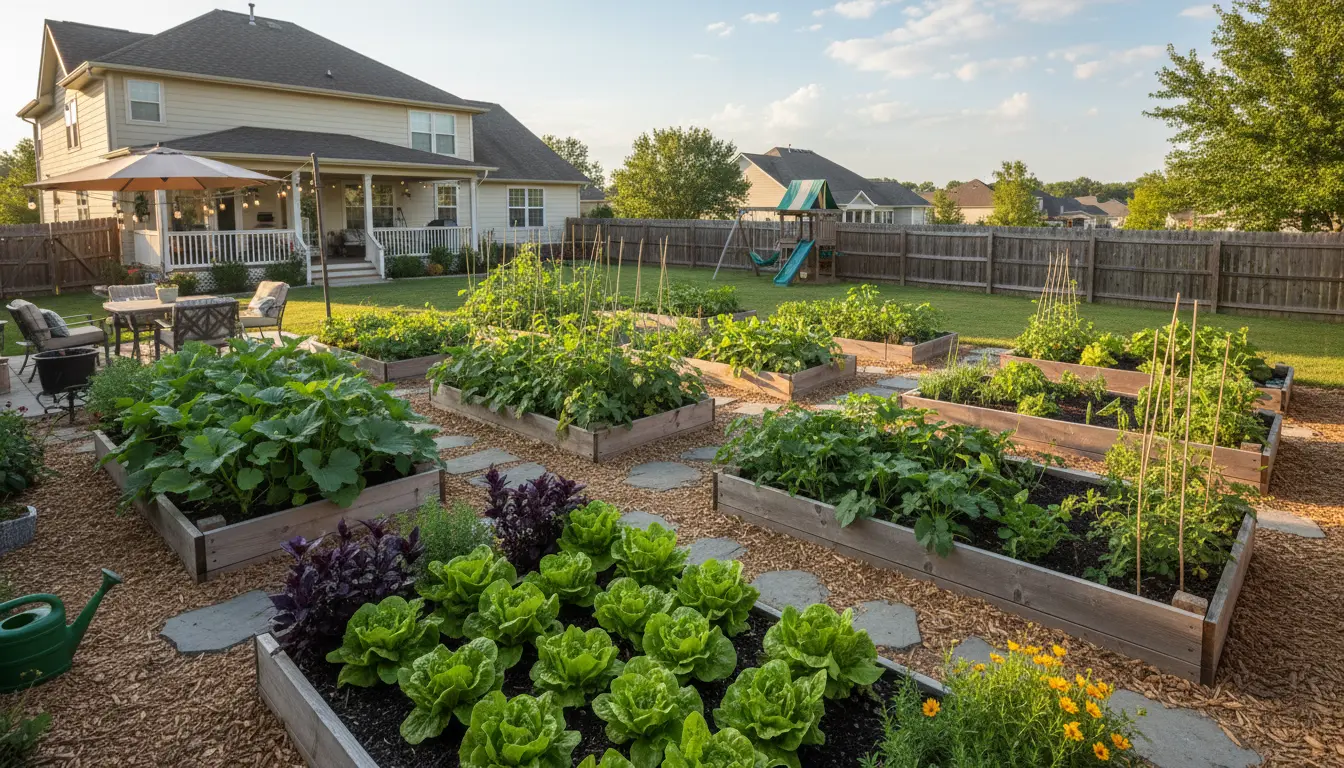
Starting a vegetable garden is an achievable project for most homeowners and apartment gardeners. This guide gives clear, practical steps to plan, plant, and maintain a productive garden with common tools and techniques.
How to Start a Vegetable Garden: Choose the Right Location
Sunlight determines success for most vegetables. Pick a site with at least 6 hours of direct sun daily.

Also consider water access, drainage, and proximity to your kitchen for easy harvesting.
Assess soil and space to start a vegetable garden
Check soil texture and look for compacted or waterlogged areas. If your soil is poor, raised beds or containers are excellent alternatives.
Measure the available area so you can plan bed size, pathways, and spacing before buying seeds or seedlings.
How to Start a Vegetable Garden: Prepare Soil and Beds
Healthy soil gives plants a strong start. Remove grass and weeds, and loosen the top 8–12 inches using a fork or tiller.
Amend with compost and a balanced organic fertilizer based on a soil test, if possible.
Simple soil mix for raised beds
- 40% topsoil
- 40% compost
- 20% aeration material (perlite, coarse sand, or wood chips)
This mix drains well and supplies nutrients for the first season.
How to Start a Vegetable Garden: Select Vegetables for Beginners
Start with easy, high-reward crops. Tomatoes, lettuce, radishes, green beans, and zucchinis are great choices.
Consider local climate and season length. Choose early-maturing varieties if you have a short growing season.
Companion planting basics
Some plants grow well together and can reduce pests. Examples: tomatoes with basil, beans with corn, and carrots with onions.
Keep heavy feeders like corn separated from light feeders like lettuce.
How to Start a Vegetable Garden: Planting and Spacing
Follow seed packet or plant label spacing to reduce competition for light and nutrients. Crowded plants are more disease-prone.
Stagger planting dates for continuous harvests—this technique is called succession planting.
Planting tips for common crops
- Tomatoes: Transplant after last frost, stake early, and space 18–24 inches apart.
- Lettuce: Sow every 2–3 weeks for salad greens all season.
- Beans: Plant seeds directly, 1–2 inches deep, spacing according to variety.
How to Start a Vegetable Garden: Watering and Maintenance
Water deeply and less often to encourage strong roots. Aim for 1–1.5 inches per week from rainfall and irrigation combined.
Mulch around plants to conserve moisture and suppress weeds. Organic mulches also add nutrients as they break down.
Routine tasks to maintain a garden
- Weed weekly to reduce competition.
- Inspect for pests and diseases regularly.
- Pinch back or prune where appropriate to improve air flow and yield.
How to Start a Vegetable Garden: Pest and Disease Control
Start with prevention: healthy soil, proper spacing, and clean tools. Proper hygiene reduces many issues.
Use physical controls like row covers and hand-picking for small pests. Introduce beneficial insects by planting flowers such as calendula or alyssum.
Organic options for common problems
- Neem oil or insecticidal soap for soft-bodied insects.
- Floating row covers to protect seedlings from flea beetles and cabbage moths.
- Crop rotation to reduce soil-borne diseases over seasons.
How to Start a Vegetable Garden: Harvesting and Storage
Harvest at peak maturity for best flavor. Many vegetables taste best when picked in the morning after the dew dries.
Store produce properly: leafy greens in cool, moist conditions; root vegetables in a dark, cool space; and tomatoes at room temperature until ripe.
Extending the harvest
- Use succession plantings to avoid a single glut.
- Preserve surplus by freezing, canning, or pickling.
- Share harvests with neighbors to reduce waste.
Small Case Study: A First-Time Gardener’s Success
Anna, a city renter, used two 4×4 raised beds on her patio. She chose compact tomato varieties, lettuce, and bush beans.
By adding compost and using drip irrigation, Anna increased yields and reduced weeds. Her beds produced weekly harvests of salad greens and summer tomatoes in the first season.
Final Checklist to Start a Vegetable Garden
- Choose a sunny location with water access.
- Improve soil with compost and proper amendments.
- Select beginner-friendly crops suited to your climate.
- Plant with correct spacing and maintain with mulch and regular watering.
- Monitor pests and use organic controls when needed.
Starting a vegetable garden is a step-by-step process. With simple planning and regular care, even a small plot can produce consistent, healthy food all season.