
Starting a vegetable garden is a practical way to grow fresh food, learn seasonal rhythms, and reduce grocery bills. This guide explains clear steps to start a vegetable garden that are easy to follow for first-time gardeners.
How to Start a Vegetable Garden: Plan Your Space
Begin by picking a site with at least six hours of sunlight per day. Vegetables need sun to produce fruit and build strength.
Consider proximity to water and how visible the bed will be for daily care. Choose a flat spot or use raised beds to improve drainage and soil control.
Size and layout when you start a vegetable garden
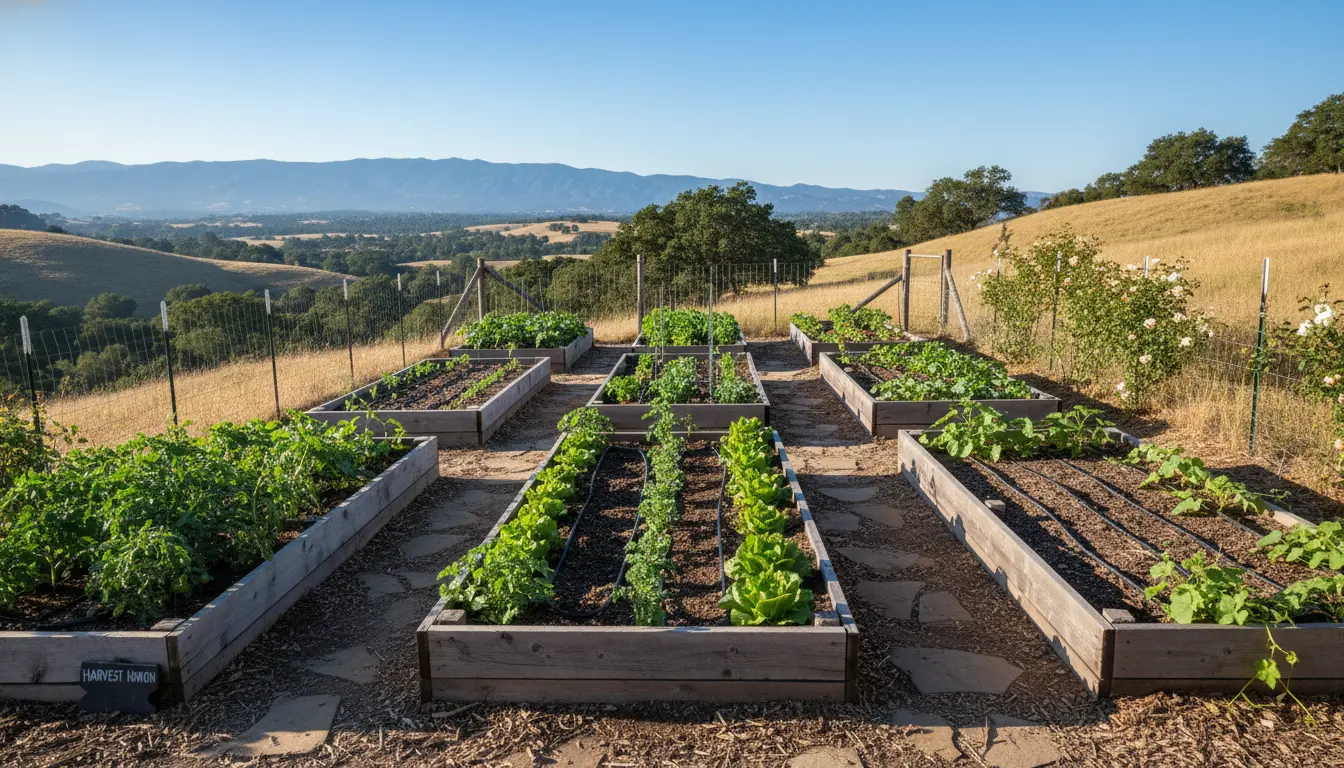
Keep the first garden small to avoid overwhelm. A 4 by 8 foot raised bed or several 3 by 3 foot containers are manageable for beginners.
Plan paths to reach plants from both sides without stepping on beds. This reduces soil compaction and makes maintenance easier.
How to Start a Vegetable Garden: Prepare Soil and Beds
Healthy soil is the foundation of a productive garden. Test your soil pH or rely on good compost and topsoil in raised beds.
Mix in organic matter like compost or well-rotted manure to improve structure, drainage, and nutrient levels. Aim for a loose, crumbly texture.
Steps to prepare garden soil
- Remove grass and weeds from the chosen area.
- Loosen soil to a depth of 8 to 12 inches for in-ground beds.
- Add 2 to 4 inches of compost and work it into the topsoil.
- Rake level and form beds or fill raised boxes with a soil mix.
How to Start a Vegetable Garden: Choose the Right Plants
Select vegetables that match your climate, season, and taste. Beginners do well with fast, forgiving crops.
Good starter plants include lettuce, radishes, cherry tomatoes, bush beans, and herbs like basil and parsley.
Planting tips for beginners
- Follow seed packet instructions for spacing and depth.
- Start some seeds indoors if you have a short season for warm crops like tomatoes.
- Use transplants from a nursery to speed harvests and reduce failure risk.
How to Start a Vegetable Garden: Watering and Feeding
Consistent watering is more important than frequent watering. Aim for deep, infrequent watering to encourage strong roots.
Water in the morning to reduce disease risk and avoid wetting leaves at night. Use a soaker hose or drip irrigation for efficiency.
Feeding your plants
Apply a balanced organic fertilizer at planting and side-dress heavy feeders like tomatoes with compost or fish emulsion during the season. Avoid over-fertilizing leafy crops if you want more fruit production.
How to Start a Vegetable Garden: Pest and Weed Management
Preventive practices reduce pests and weeds without heavy chemicals. Rotate crops and use companion planting to disrupt pest life cycles.
Mulch around plants to suppress weeds, conserve moisture, and keep soil temperatures steady. Hand-pull weeds before they set seed.
Organic pest control options
- Row covers to keep insects off young plants.
- Handpicking pests like slugs or beetles.
- Introduce beneficial insects by planting flowers such as calendula or alyssum.
- Use neem oil or insecticidal soap sparingly and only when needed.
How to Start a Vegetable Garden: Harvesting and Winter Care
Harvest regularly to encourage continued production. Pick vegetables when they are young and tender for the best flavor.
Prepare for winter by clearing spent plants, adding compost, and mulching to protect the soil. Plan fall crops like kale and garlic for year-round yields.
Simple harvesting schedule
- Leafy greens: harvest every 1 to 2 weeks.
- Tomatoes: pick as they ripen over several weeks.
- Root crops: harvest when roots reach recommended size.
Growing vegetables in raised beds can yield up to 2 to 3 times more produce per square foot than traditional row gardens because soil conditions are easier to optimize.
Real World Example: Small Raised Bed Success
Case study: A neighbor started one 4 by 8 raised bed in spring and planted cherry tomatoes, basil, lettuce, and bush beans. They used store-bought compost and drip irrigation.
By midsummer they harvested weekly salads, several pints of cherry tomatoes, and enough beans to freeze. The key was consistent watering, timely harvesting, and adding compost midseason.
Quick Checklist to Start a Vegetable Garden
- Choose a sunny site near water.
- Decide on bed size and layout.
- Improve soil with compost.
- Select beginner-friendly vegetables suited to your climate.
- Water deeply and feed appropriately.
- Mulch, monitor pests, and harvest regularly.
Starting a vegetable garden is a step-by-step process that rewards patience and attention. Use these practical steps to begin, and adjust as you learn what thrives in your yard.