
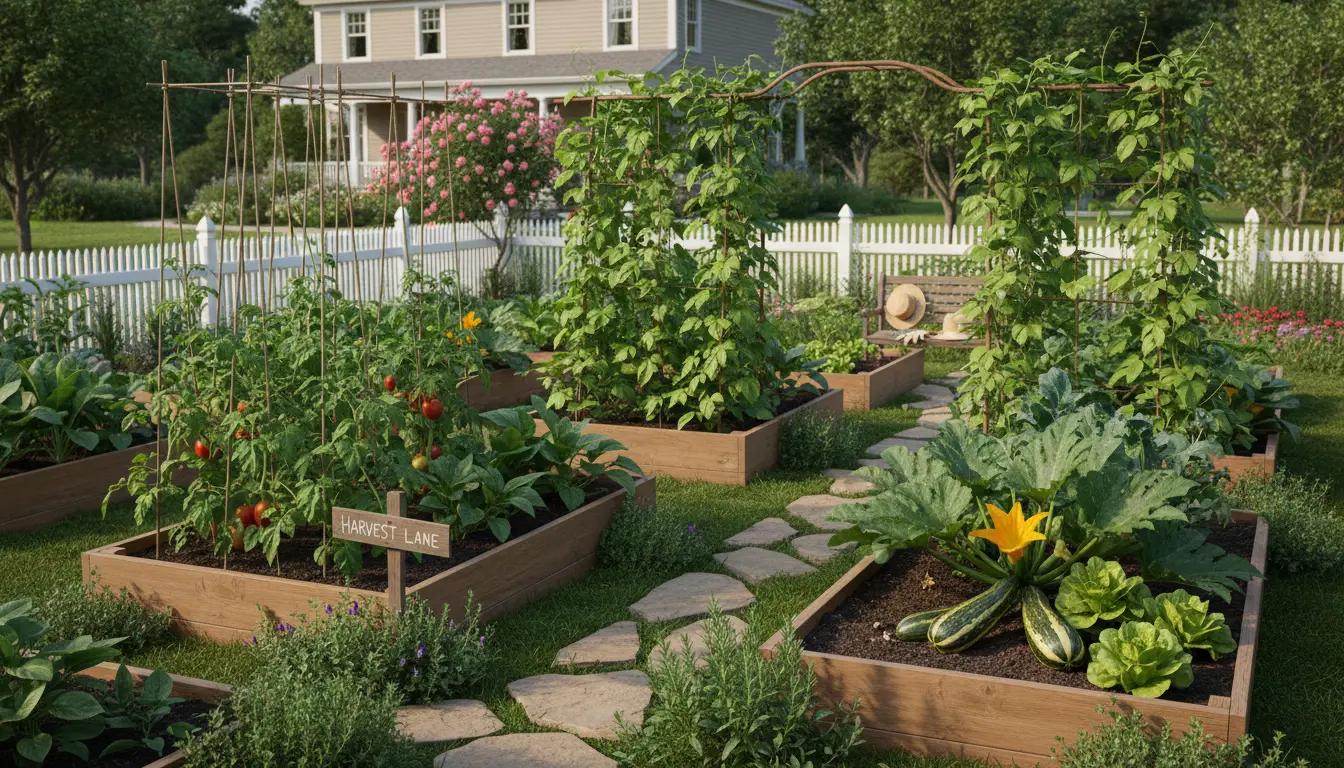
How to Start a Vegetable Garden: First Steps
Starting a vegetable garden is a practical way to grow fresh food and learn basic gardening skills. This guide breaks the process into clear, manageable steps so you can begin with confidence.
Follow the steps below and adapt them to your climate and available space.
Choose a Spot and Garden Type
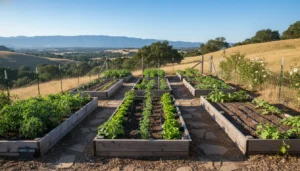
Decide where to place your garden. Vegetables need 6–8 hours of direct sun most days. Look for a flat area with good drainage.
Choose a garden type that fits your space:
- In-ground beds for larger yards
- Raised beds for better soil control and accessibility
- Containers for small patios or balconies
Plan What to Grow When You Start a Vegetable Garden
Pick easy, productive vegetables as a beginner. Consider what your family eats and local frost dates.
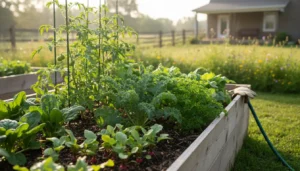
Good starter vegetables include:
- Leafy greens: lettuce, spinach
- Root crops: radishes, carrots
- Warm-season: tomatoes, peppers (start after frost)
- Quick growers: bush beans, zucchini
Soil and Preparation When You Start a Vegetable Garden
Healthy soil is the most important factor for a successful garden. Test and improve soil before planting.
Test and Improve Your Soil
Buy a simple soil test kit or send a sample to your local extension office. Tests show pH and nutrient levels, which guide amendments.

Common improvements:
- Add compost to increase organic matter and drainage
- Use lime to raise pH or sulfur to lower pH when needed
- Avoid compacting soil; use raised beds if soil is heavy clay
Prepare Beds and Planting Rows
Clear weeds and loosen soil to 8–12 inches for most vegetables. Mix in 2–4 inches of compost over the planting area.
Mark rows or sections for each crop to keep spacing right and reduce disease spread.
Planting and Timing to Start a Vegetable Garden
Planting at the right time gives seedlings the best start. Use your local last-frost date as a guide.
Seeds vs. Transplants
Some vegetables are best started from seed, while others are easier as transplants. Examples:
- Start from seed: radishes, carrots, beans
- Use transplants: tomatoes, peppers, eggplants
Follow seed packet timing and spacing recommendations to avoid crowding.
Watering When You Start a Vegetable Garden
Consistent moisture is vital, especially for seedlings. Water deeply and less often, rather than shallow daily sprinkling.
General watering tips:
- Water in the morning to reduce leaf disease
- Use drip irrigation or soaker hoses to save water
- Mulch around plants to retain moisture and control weeds
Maintenance and Common Problems
Regular, small tasks keep a garden productive: weeding, monitoring pests, and harvesting on time.
Pest and Disease Basics
Check plants weekly. Handpick large pests, use row covers for protection, and remove diseased leaves promptly.
Encourage beneficial insects by planting herbs and flowers like marigolds and dill near vegetables.
Simple Fertilizing Practices
Use a balanced organic fertilizer or side-dress with compost during the season. Avoid over-fertilizing leafy crops if you want fruit production.
Raised beds warm faster in spring, which can extend your growing season by allowing earlier planting. They also improve drainage and soil structure for root growth.
Harvesting and Storage
Harvest vegetables when they reach recommended size; regular harvesting often encourages more production.
Store cool-season crops like lettuce in the fridge, and tomatoes at room temperature for best flavor.
Success Tips for New Gardeners
- Start small: a 4×4 or 4×8 bed is enough to learn basics
- Keep a garden journal with dates, varieties, and yields
- Rotate crops yearly to reduce pests and nutrient depletion
Real-World Example: A Small Backyard Case Study
Maria began a 4×8 raised bed in spring with limited gardening experience. She chose lettuce, bush beans, cherry tomatoes, and radishes.
She tested soil, added compost, and used organic mulch. Within three months she harvested continuous lettuce and multiple rounds of radishes. Tomatoes produced steadily after staking and regular watering.
Her keys to success were starting small, keeping notes on planting dates, and adjusting water based on weather.
Final Checklist to Start a Vegetable Garden
- Choose a sunny spot with good drainage
- Decide on in-ground, raised bed, or containers
- Test and amend soil with compost
- Pick beginner-friendly vegetables and check planting dates
- Water deeply, mulch, and monitor pests weekly
- Harvest regularly and keep records
Starting a vegetable garden is a learning process. With the right site, simple planning, and regular care, even a small plot can provide fresh, healthy food and a rewarding hobby.