
Why start a vegetable garden
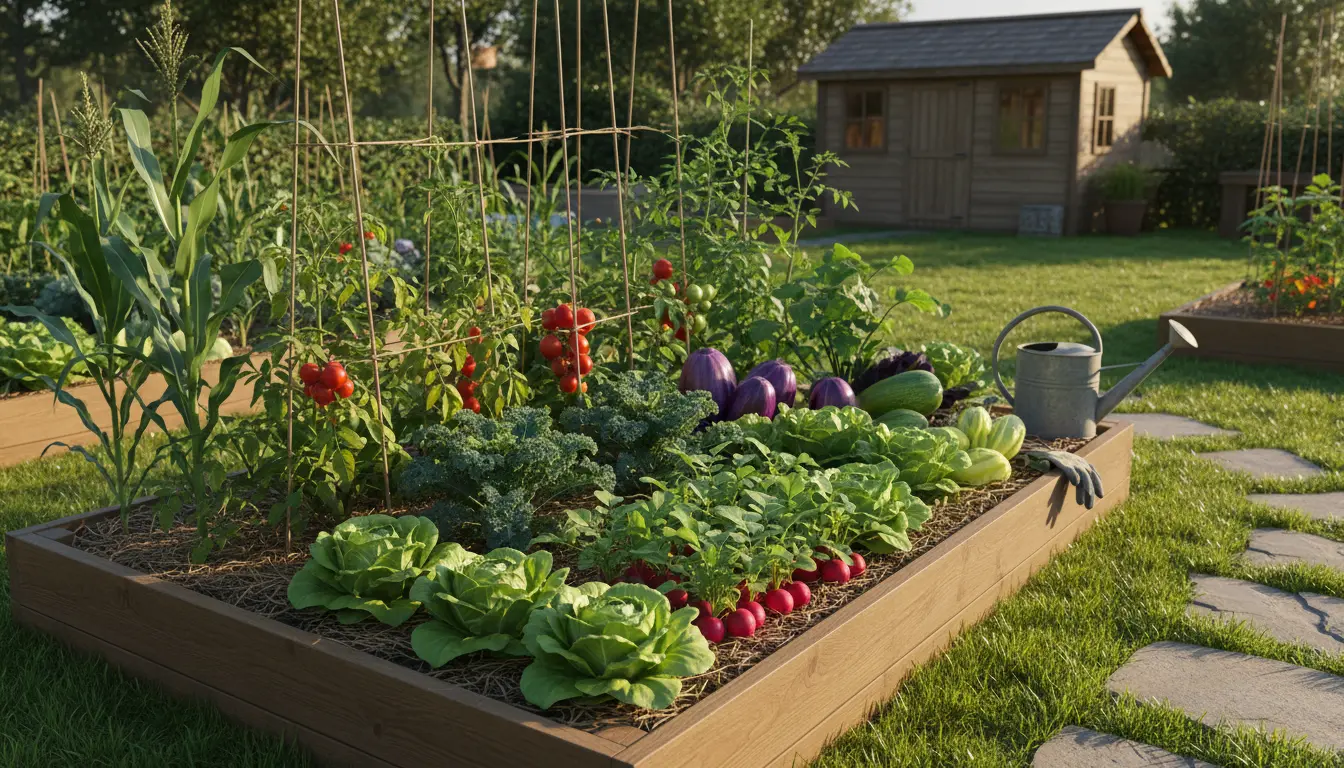
Starting a vegetable garden gives you fresh produce, saves money, and connects you with nature. This guide covers practical steps to plan, plant, and maintain a productive vegetable garden for beginners.
Choose the right site for your vegetable garden
Pick a spot that gets at least six hours of direct sun each day for most vegetables. Good drainage and easy access to water are also important factors.
Consider these location tips:
- Avoid low spots that collect water after rain.
- Place beds within reach of a hose or rain barrel.
- Use a sunny side of a yard away from large tree roots.
Plan the layout of your vegetable garden
Decide between in-ground rows, raised beds, or containers depending on space and soil quality. Raised beds are ideal for beginners because they warm faster and are easier to manage.
Common layout options
- Raised beds for improved soil control and drainage.
- In-ground rows for larger spaces and traditional crops.
- Containers for patios or small balconies.
Prepare soil for a productive vegetable garden
Healthy soil is the foundation of a successful vegetable garden. Test the soil pH and amend with compost to improve texture and fertility.

Follow this basic soil preparation routine:
- Remove weeds, grass, and debris from the chosen area.
- Work in 2 to 4 inches of well-rotted compost to the top 6 to 12 inches of soil.
- Adjust pH if needed: most vegetables prefer pH 6.0 to 7.0.
Choose vegetables for your first garden
Select easy, reliable crops that match your climate and season. Focus on high-yield, low-maintenance plants for the first year.
Good beginner vegetables include:
- Leafy greens: lettuce, spinach, Swiss chard
- Root crops: radishes, carrots
- Fast producers: bush beans, zucchini
- Herbs: basil, parsley, chives
Planting: seeds vs seedlings

Decide whether to start from seed or buy seedlings from a nursery. Seeds are cheaper and offer more variety, while seedlings give a head start and reduce early care.
Planting tips:
- Follow seed packet depth and spacing instructions.
- Transplant seedlings after the last frost date and harden them off for a week.
Watering and feeding your vegetable garden
Consistent watering is crucial. Most vegetables need about 1 inch of water per week, more in hot or windy conditions.
Use these watering practices:
- Water at the base to keep foliage dry and reduce disease.
- Mulch around plants to conserve moisture and suppress weeds.
- Apply a balanced fertilizer or organic amendments as plants grow.
Pest and disease management for your vegetable garden
Monitor plants weekly to catch problems early. Use integrated pest management principles to reduce reliance on chemicals.
Practical control methods:
- Handpick larger pests like slugs and caterpillars.
- Use row covers to protect young plants from insects.
- Rotate crops each season to reduce soil-borne diseases.
Harvesting and storing produce
Harvest vegetables when they reach recommended size and flavor. Frequent harvesting often encourages more production, especially for crops like beans and zucchini.
Simple storage tips:
- Refrigerate leafy greens in a damp towel for up to a week.
- Store root crops in a cool, dark place with high humidity.
- Preserve extras by freezing, pickling, or canning.
Small case study: One raised bed, one season
Maria, a beginner gardener in Portland, planted a 4 x 4 foot raised bed. She filled it with a mix of compost and topsoil, then planted lettuce, bush beans, carrots, and basil.
By midseason she harvested continuous lettuce for salads, two rounds of bush beans, and a steady supply of basil. Her initial investment of time and materials paid off with fresh produce for her family and reduced grocery trips.
Final checklist to start your vegetable garden
- Choose a sunny, well-drained site.
- Decide on layout: raised bed, in-ground, or containers.
- Prepare soil with compost and test pH.
- Select beginner-friendly vegetables and plant at the right time.
- Water consistently, mulch, and monitor pests.
With planning and consistent care, a small vegetable garden can deliver abundant rewards. Start small, learn each season, and expand as you gain confidence.