
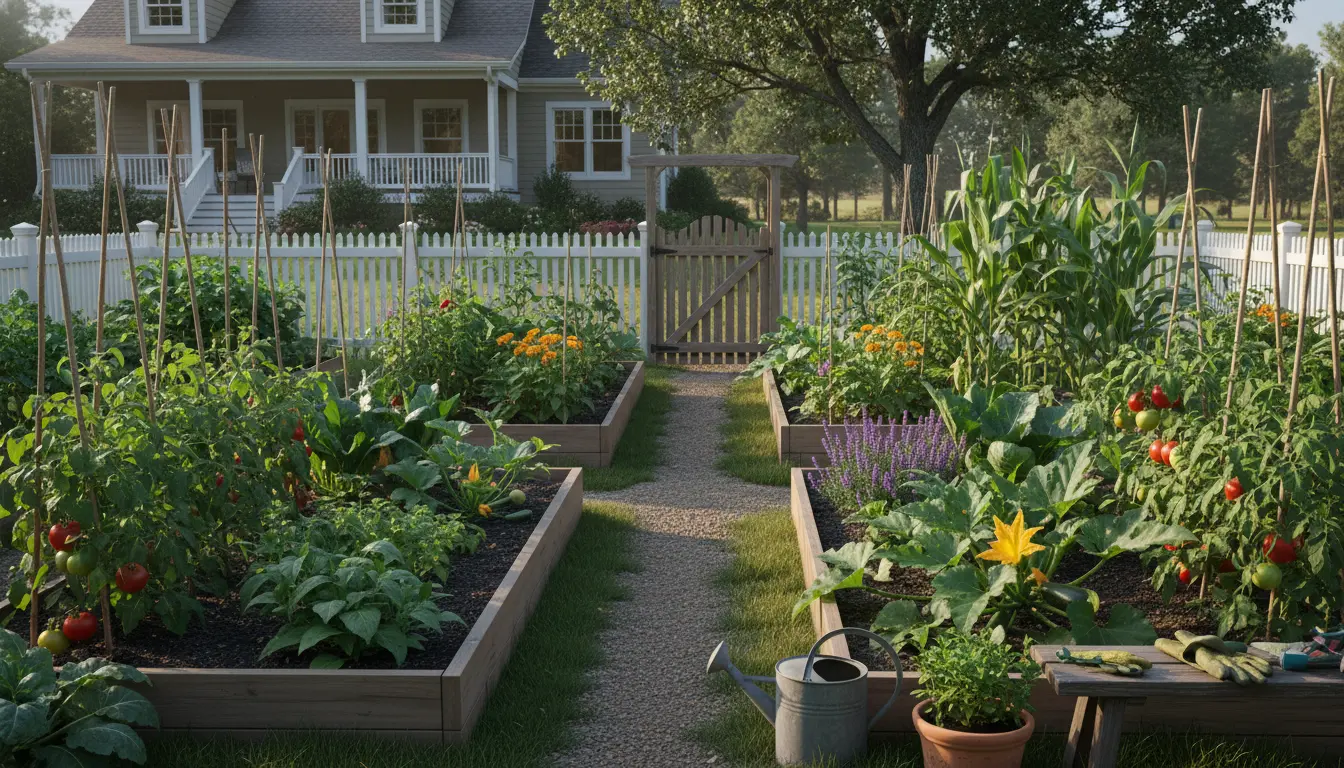
Starting a vegetable garden is a practical way to grow fresh food, save money, and enjoy outdoor activity. This guide explains how to start a vegetable garden with clear steps you can follow this season.
Plan to Start a Vegetable Garden
Good results begin with planning. Decide what you want to grow and how much time you can commit each week.
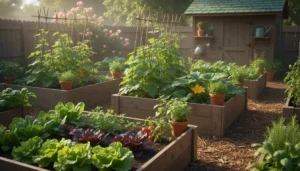
Consider these planning questions:
- How large will the garden be? (Start small: 4×4 or 4×8 bed for beginners.)
- Who will care for it? Consider family help or schedule maintenance days.
- What vegetables do you and your family actually eat?
Choose Location and Soil to Start a Vegetable Garden
Location affects yield. Pick a spot with at least 6 hours of direct sun for most vegetables.
Check soil drainage and accessibility to water. Raised beds or containers are good if your yard has poor soil.
Test and Improve Soil
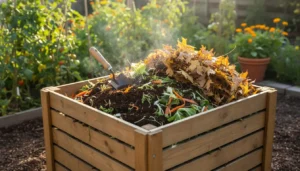
Test soil pH and basic nutrients with a kit or local extension service. Aim for pH 6.0 to 7.0 for most crops.
Improve soil with these steps:
- Add 2-4 inches of compost and mix into the top 6-8 inches of soil.
- Use composted manure or well-balanced organic fertilizer if needed.
- Mulch after planting to retain moisture and suppress weeds.
Select Vegetables for Your Garden
Choose plants that match your climate, space, and season. For first-time gardeners, choose easy crops like lettuce, radish, tomatoes, and bush beans.
Group plants by water and sunlight needs to simplify care.
Start Seeds or Buy Transplants
Some vegetables are easier from seed (carrots, peas), while others do better as transplants (tomatoes, peppers). Seeds are cheaper but need more initial attention.
Follow seed packet dates for your USDA zone or local planting calendar to know when to sow or transplant.
Planting and Care When You Start a Vegetable Garden
Plant with spacing recommended on seed packets or plant tags. Crowded plants reduce airflow and increase disease risk.
Water consistently: most vegetables need about 1 inch of water per week, more during hot spells.
Watering, Fertilizing, and Staking
Water at the base of plants early in the morning to reduce evaporation. Use drip irrigation or soaker hoses for efficiency.
Fertilize based on plant needs: a balanced organic fertilizer at planting and a nitrogen feed for leafy crops mid-season works well. Stake tall plants like tomatoes and cucumbers to keep fruit off the ground.
Pest Control and Common Problems
Expect pests and plan non-toxic responses first. Monitor plants weekly to catch problems early.
Integrated pest strategies include:
- Handpicking larger pests like caterpillars and slugs.
- Using row covers to keep insects off seedlings.
- Encouraging beneficial insects by planting flowers like marigolds and dill.
Disease Prevention
Prevent diseases with good spacing, crop rotation, and removing infected plants promptly. Avoid overhead watering to reduce fungal issues.
Keep garden tools clean and use disease-resistant varieties when possible.
Harvesting and Season Extension
Harvest vegetables when they are mature but still tender for best flavor. Frequent harvesting of crops like beans and zucchini encourages more production.
Extend your season with simple techniques:
- Use row covers or cloches for early spring and late fall growth.
- Add cold frames or a small greenhouse for more cold-season crops.
Small Real-World Case Study
Case Study: A beginner in a small city yard started a 4×8 raised bed in spring. They selected tomatoes, lettuce, radishes, and bush beans to match their family’s preferences.
Results: By testing soil and adding compost, the gardener saw stronger growth. Weekly watering and staking kept plants healthy, and staggered planting produced harvests from May through October.
Quick Checklist to Start a Vegetable Garden
- Site: 6+ hours sun, good drainage
- Soil: test, add compost, adjust pH
- Plant choices: start with 4–6 easy crops
- Watering: 1 inch per week, drip or soaker hose
- Pest control: monitor, use covers, attract beneficials
- Harvest: pick often and extend season with covers
Final Tips for Success
Start small and expand as you gain confidence. Keep a simple garden journal noting planting dates, varieties, and any problems you solve.
Learning by doing and adjusting each season is the fastest path to a productive vegetable garden.