
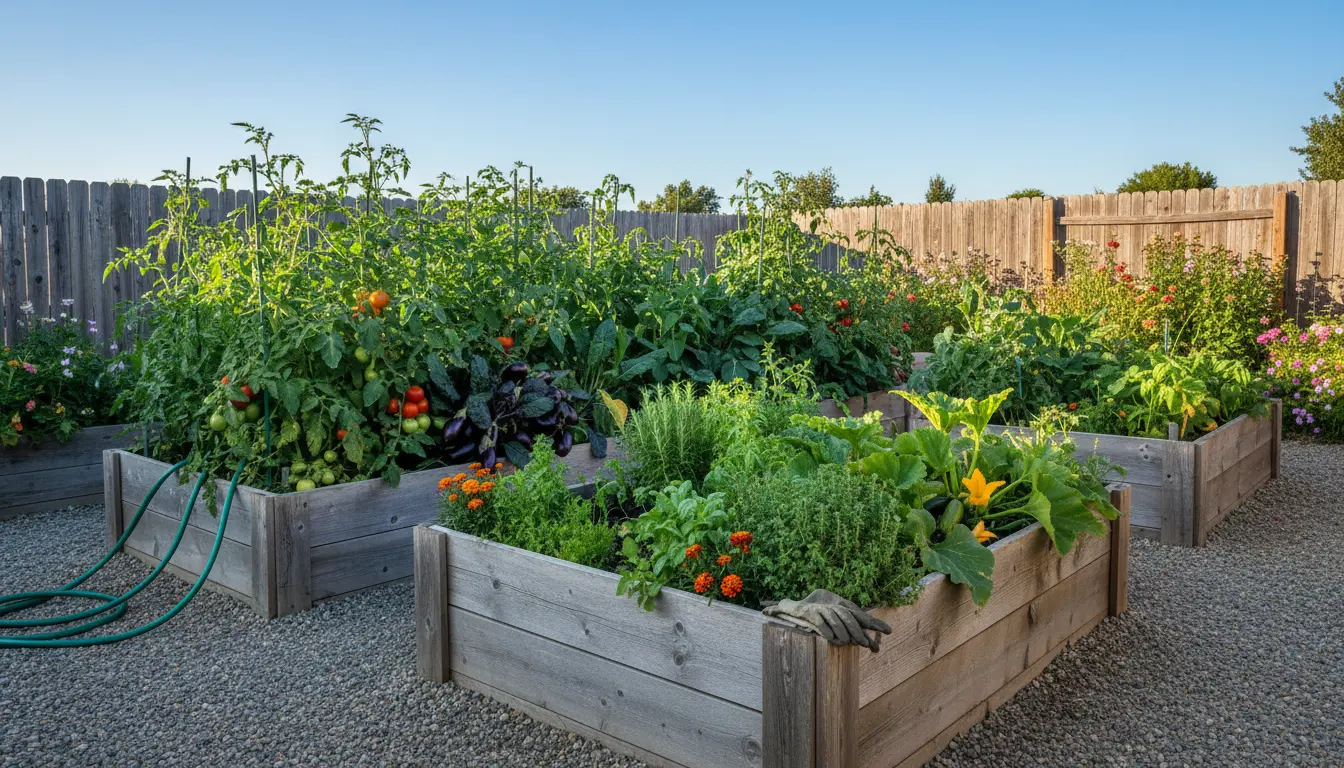
Starting a vegetable garden is an achievable project for almost any yard, balcony, or community plot. This guide breaks the process into clear steps so you can plan, plant, and harvest with confidence.
Plan Your Vegetable Garden
Good planning saves time and increases yields. Begin by assessing light, space, and your available time for maintenance.
Choose Location and Size for Your Vegetable Garden
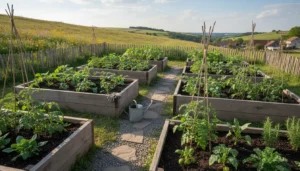
Select a site that gets at least 6 hours of direct sunlight per day for most vegetables. If sunlight is limited, plan to grow leafy greens and herbs that tolerate partial shade.
Decide on a manageable size. For beginners, a 4 x 8 foot raised bed or a few containers provides quick results without overwhelming maintenance.
Select Vegetables for Your Garden
Match crops to your climate and season. Start with easy, high-reward plants like tomatoes, peppers, lettuce, radishes, and bush beans.
Consider succession planting to extend harvests. Plant quick crops (radishes, lettuce) between slower ones (tomatoes) to make efficient use of space.
Prepare Soil, Beds, and Containers for a Vegetable Garden
Soil quality has the biggest impact on plant health. Test soil or evaluate existing potting mixes for nutrients and drainage.
Improve Soil Quality
Mix in organic matter such as compost or well-rotted manure to improve structure and fertility. A basic soil mix for raised beds is one part compost, one part topsoil, and one part coarse sand or perlite for drainage.
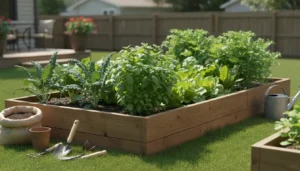
pH matters. Most vegetables prefer a pH of 6.0 to 7.0. Use a simple soil test kit to check and adjust pH if needed.
Raised Beds and Containers for Vegetable Garden Success
Raised beds warm faster in spring and reduce compaction. Containers are ideal for small spaces and can be moved to follow sunlight.
Choose containers at least 12 inches deep for most vegetables, and ensure drainage holes to prevent root rot.
- Raised bed benefits: better drainage, easier weeding, and clearer soil control.
- Container tips: use high-quality potting mix and check moisture daily during hot weather.
Planting and Maintenance in Your Vegetable Garden
Planting at the right time and following a maintenance routine keeps plants productive. Use seed packets or plant labels to track dates and spacing.
Watering and Fertilizing Your Vegetable Garden
Water deeply and less often to encourage strong roots. Aim for 1 to 1.5 inches of water per week, adjusting for rain and high temperatures.
Fertilize based on crop needs. A general-purpose organic fertilizer applied at planting and mid-season supports steady growth. Leafy greens need more nitrogen; fruiting crops benefit from balanced nutrients.
Pest Control and Crop Rotation for a Vegetable Garden
Start with prevention: clean tools, remove diseased plants, and encourage beneficial insects. Use row covers for early-season pests and hand-pick larger pests like slugs.
Practice crop rotation by moving plant families around beds each year. Rotation reduces disease and pest build-up in the soil.
Harvesting and Next Steps for the Vegetable Garden
Harvest regularly to encourage more production, especially for crops like beans and cucumbers. Pick vegetables at peak ripeness for best flavor.
After harvest, amend soil with compost and plant cover crops in winter to rebuild nutrients and protect soil structure.
Keep a Garden Log
Record planting dates, varieties, yields, and pest issues. A simple log helps you refine timing and variety choices in later seasons.
Interplanting basil near tomatoes can improve tomato flavor and help deter some insect pests naturally.
Small Real-World Example
Case study: A suburban homeowner used two 4 x 8 raised beds to grow tomatoes, lettuce, and bush beans. After adding compost and planting in late spring, they harvested tomatoes from July through September and staggered lettuce plantings every three weeks to maintain fresh salads all summer.
Simple practices like daily watering in hot weeks, mulching to conserve moisture, and picking beans every few days boosted yields and reduced pest problems.
Quick Checklist to Start a Vegetable Garden
- Pick a sunny spot and decide bed size.
- Test and improve soil with compost.
- Choose beginner-friendly crops for your climate.
- Plant at the right time and follow spacing guides.
- Water deeply, mulch, and fertilize as needed.
- Monitor pests and rotate crops next season.
Starting a vegetable garden is a step-by-step process that rewards patience and small improvements. With basic planning, soil care, and consistent maintenance, you can grow fresh vegetables even with limited space.