
Getting Ready to Start a Vegetable Garden
Starting a vegetable garden is a practical way to grow fresh food and learn basic growing skills. This guide gives clear steps you can follow whether you have a small yard, balcony, or community plot.
How to Start a Vegetable Garden: Choose a Site
Pick a site that gets at least six hours of sunlight daily. Vegetables need steady light for good yields, so avoid deep shade near tall trees or buildings.
Check access to water and ease of maintenance. A location close to a tap or rain barrel reduces the effort of daily watering.
Site Checklist for a Vegetable Garden
- At least six hours of direct sun
- Level ground or slight slope for drainage
- Good access to water and tools
- Protected from strong winds if possible
How to Start a Vegetable Garden: Prepare the Soil
Healthy soil is the foundation of a productive garden. Test your soil pH and nutrient levels with a simple kit from a garden center or cooperative extension.
Improve heavy clay or sandy soil by adding organic matter. Compost, well-rotted manure, and leaf mold increase fertility and structure.
Basic Soil Improvement Steps
- Clear weeds and grass from the planting area.
- Spread 2 to 4 inches of compost over the soil surface.
- Work the compost into the top 6 to 8 inches with a fork or tiller.
- Level the bed and allow a week before planting for settling.
How to Start a Vegetable Garden: Choose Containers or Beds

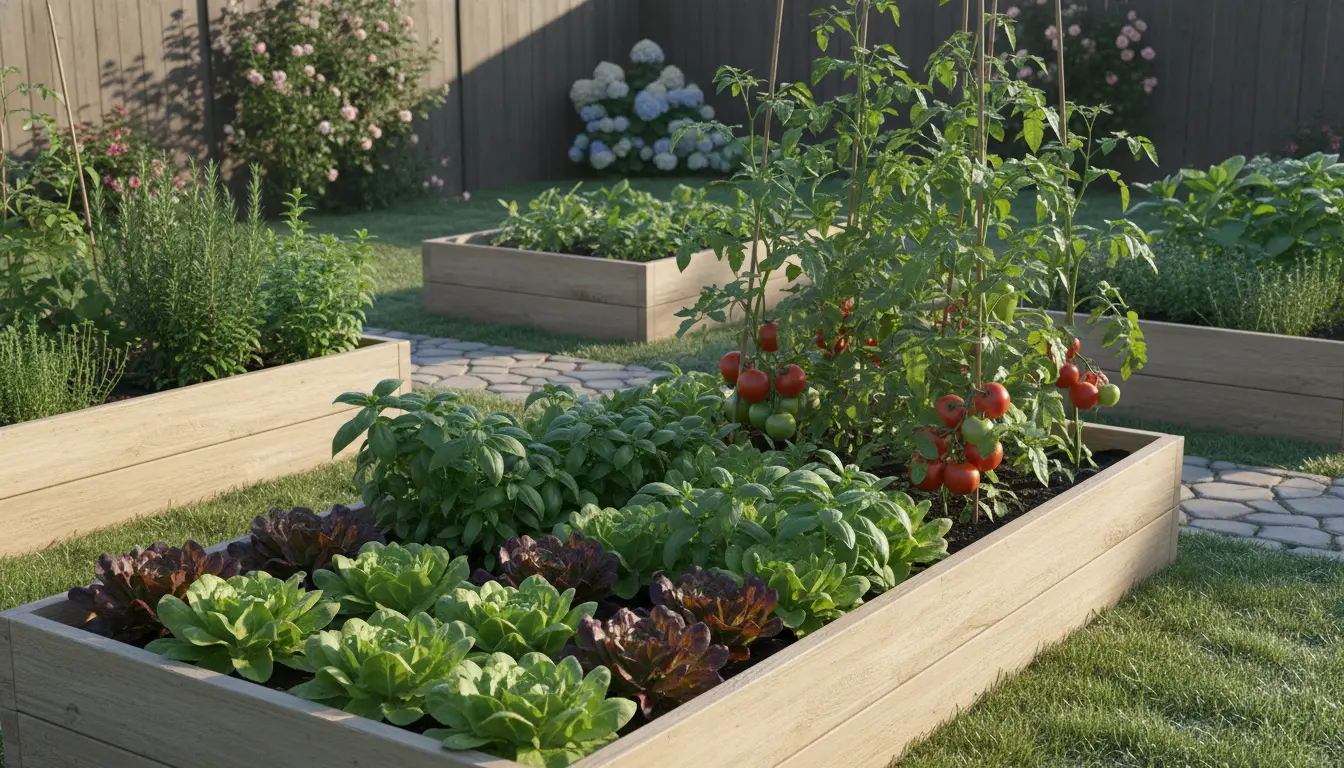
Decide between in-ground rows, raised beds, or containers. Each option works, but raised beds give better drainage and soil control for beginners.
Standard raised beds are often 4 feet wide so you can reach the center from either side, and 8 feet long fits most yards well.
How to Start a Vegetable Garden: Planting Plan and Crop Selection
Start with easy, reliable crops like lettuce, radishes, green beans, tomatoes, and herbs. Choose varieties labeled for your climate zone for best results.

Plan for succession planting to maximize yield. Plant quick crops like radishes between slower crops like tomatoes to use space efficiently.
Simple Planting Layout
- Front row: quick greens (lettuce, spinach)
- Middle rows: medium crops (beans, peppers)
- Back row: tall crops (tomatoes, trellised cucumbers)
How to Start a Vegetable Garden: Watering and Maintenance
Water deeply and less often to encourage strong root systems. Aim for 1 to 1.5 inches of water per week, more in hot weather.
Mulch with straw or shredded leaves to conserve moisture and reduce weeds. Keep mulches a few inches from plant stems to prevent rot.
Daily and Weekly Tasks
- Daily: quick check for pests, wilting, or broken stems
- Weekly: water deeply, remove weeds, check soil moisture
- Monthly: add compost or side-dress with balanced fertilizer if plants show signs of nutrient need
How to Start a Vegetable Garden: Pest and Disease Basics
Prevent problems by keeping plants healthy and rotating crop families each season. Avoid planting the same family in the same spot year after year.
Use physical controls first: hand-pick larger pests, use row covers for young plants, and encourage beneficial insects with flowering herbs.
Simple Integrated Pest Management Tips
- Scout regularly and act early on infestations
- Use soap sprays for soft-bodied insects like aphids
- Remove diseased plant material promptly and compost healthy waste separately
Harvesting and Storing Your Vegetables
Harvest at peak ripeness for best flavor and nutrition. Many vegetables, like lettuce and beans, produce more when you pick regularly.
Store root crops in cool, humid conditions and use leafy greens quickly for best texture. Freeze or can excess tomatoes and beans for longer storage.
Interplanting compatible vegetables, such as basil with tomatoes, can improve flavor and reduce pests through natural companion effects.
Small Case Study: A First Season Raised Bed
Emma, a new gardener with a 4 by 8 raised bed, started in spring with compost-amended soil and full sun. She planted lettuce, bush beans, cherry tomatoes, and peppers.
By following a simple watering schedule and mulching, Emma harvested lettuce within six weeks and tomatoes all summer. Her single raised bed produced enough salad greens for a family of four for several months.
Quick Checklist to Start Your Vegetable Garden
- Choose a sunny site near water
- Test and improve the soil with compost
- Decide raised beds or containers for better control
- Pick easy crops and plan succession planting
- Water deeply, mulch, and scout for pests
Starting a vegetable garden is a manageable project that rewards steady attention. With the right site, simple soil improvements, and routine care, you can grow reliable, nutritious crops in your first season.