
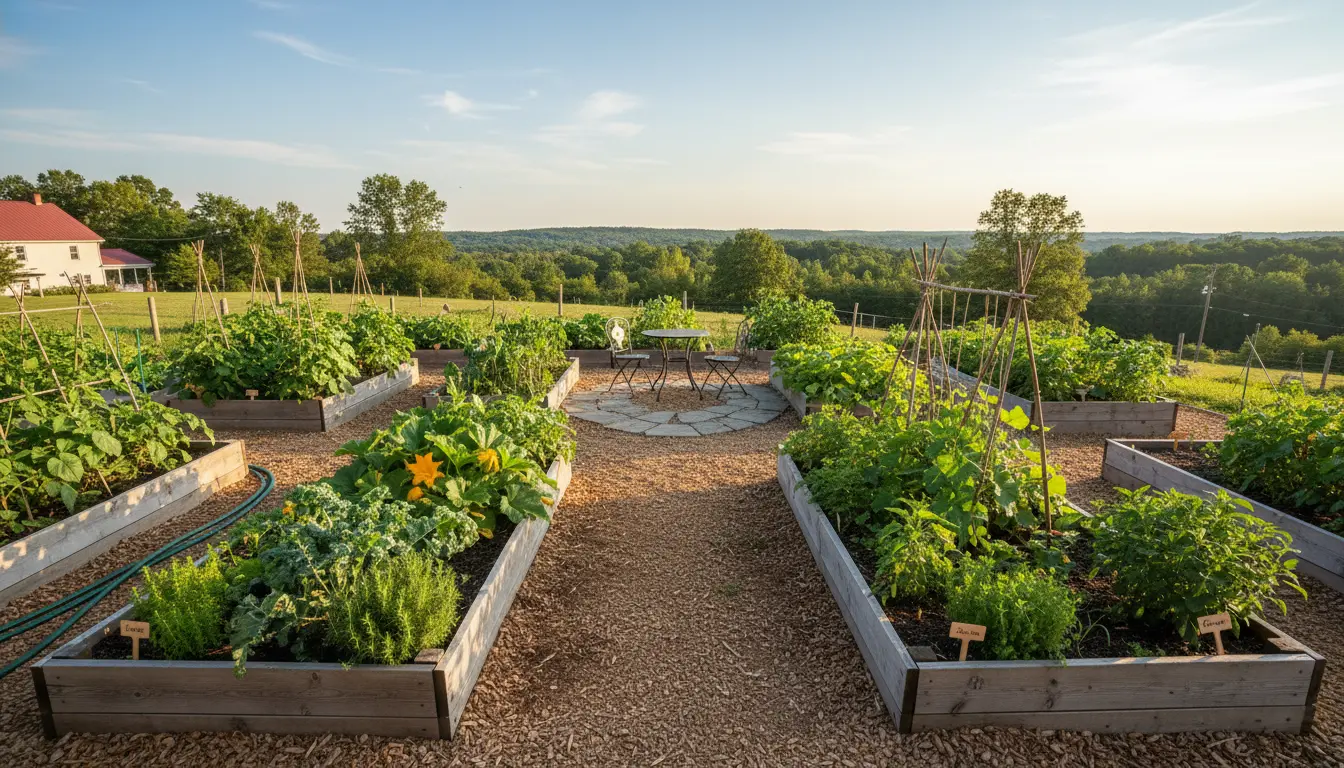
Why Start a Vegetable Garden
Starting a vegetable garden gives you fresh produce, saves money, and connects you to the growing process. It also lets you control how food is grown and reduces trips to the store.
This guide shows practical steps to start a vegetable garden, with clear actions you can take in a weekend or across a season.
Start a Vegetable Garden: Choose the Right Location
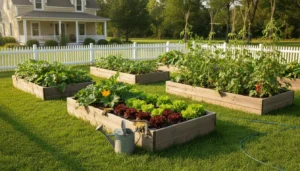
Select a spot with at least 6 hours of direct sunlight for most vegetables. Good drainage and easy access to water are essential.
If you have limited space, consider containers or raised beds. Sunlight, water, and soil quality are the priorities regardless of format.
Checklist for Location
- 6+ hours of sun daily for tomatoes, peppers, and squash
- Near a water source to simplify watering
- Level ground or raised beds to avoid water pooling
- Protected from strong winds if possible
Start a Vegetable Garden: Plan What to Grow
Start with easy, fast-growing vegetables to build confidence. Choose varieties suited to your climate and season.
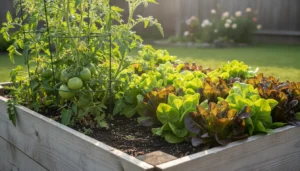
Focus on high-yield, low-maintenance crops for your first year.
Recommended Beginner Vegetables
- Leafy greens: lettuce, spinach
- Root vegetables: radishes, carrots
- Fruit-bearing: tomatoes, bush beans, peppers
- Herbs: basil, parsley
Start a Vegetable Garden: Prepare the Soil
Soil is the foundation of a productive garden. Test soil pH and texture if possible; most vegetables prefer a pH between 6.0 and 7.0.
Improve soil with organic matter like compost and well-aged manure. This boosts nutrients and water retention.
Quick Soil Preparation Steps
- Clear weeds and debris from the site
- Loosen soil to 8–12 inches with a fork or tiller
- Work in 2–3 inches of compost per square foot
- Rake level and form planting rows or beds
Start a Vegetable Garden: Planting and Timing
Follow seed packet or plant tag instructions for spacing and depth. Plant cool-season crops in early spring and heat-loving crops after frost risk passes.
Consider succession planting to extend harvests: sow new seeds every few weeks for continuous produce.
Planting Tips
- Plant seeds at recommended depth; small seeds need shallow planting
- Thin seedlings to avoid overcrowding and improve airflow
- Mulch around plants to conserve moisture and suppress weeds
Start a Vegetable Garden: Watering and Fertilizing
Consistent moisture is essential. Water deeply once or twice a week rather than frequent shallow watering.
Use a balanced fertilizer according to crop needs or side-dress with compost mid-season for heavy feeders like tomatoes.
Watering and Feeding Rules
- Water at the base of plants to keep foliage dry
- Morning watering reduces disease risk
- Apply slow-release organic fertilizer at planting and again mid-season
Companion planting can improve yields and reduce pests. For example, planting basil near tomatoes may improve flavor and reduce insect problems.
Start a Vegetable Garden: Pest and Disease Management
Monitor plants weekly for pests and signs of disease. Early detection is easier to manage than widespread issues.
Use integrated pest management: handpick pests, encourage beneficial insects, and use row covers if needed.
Common Solutions
- Slugs: beer traps or diatomaceous earth
- Aphids: blast with water or introduce ladybugs
- Fungal issues: improve airflow and avoid overhead watering
Start a Vegetable Garden: Harvesting and Storage
Harvest vegetables at peak ripeness for best flavor. Many crops produce continuously if picked regularly.
Store produce properly: cool greens quickly, dry beans before storing, and refrigerate tomatoes briefly or use within days for best taste.
Simple Seasonal Schedule
- Spring: prepare soil, plant cool-season crops
- Late spring: transplant warm-season crops after frost
- Summer: maintain watering, harvest regularly
- Fall: plant cover crops, collect seeds, and prepare beds for winter
Case Study: Small Balcony Garden That Produced All Summer
Emma had a 6-foot balcony and limited sunlight. She used two raised planters and chose compact varieties: cherry tomatoes, bush beans, and leaf lettuce.
She followed these steps: improved potting mix with compost, watered in the morning, and harvested weekly. By mid-summer she had steady salad greens and tomatoes for weekly meals.
Result: Low cost, minimal time investment, and consistent fresh produce that replaced several grocery trips.
Quick Troubleshooting Guide
- Yellowing leaves: check for overwatering or nutrient deficiency
- Stunted growth: test soil pH and improve fertility
- Poor fruiting: ensure full sun and proper pollination
Final Tips to Start a Vegetable Garden
- Start small and expand after you succeed
- Keep a simple garden journal to track planting dates and results
- Ask local gardeners or extension services for region-specific advice
Starting a vegetable garden is a repeatable process: choose the right site, prepare good soil, plant suitable crops, and maintain consistent care. With basic planning and weekly attention, you can grow reliable, tasty produce even in a small space.