
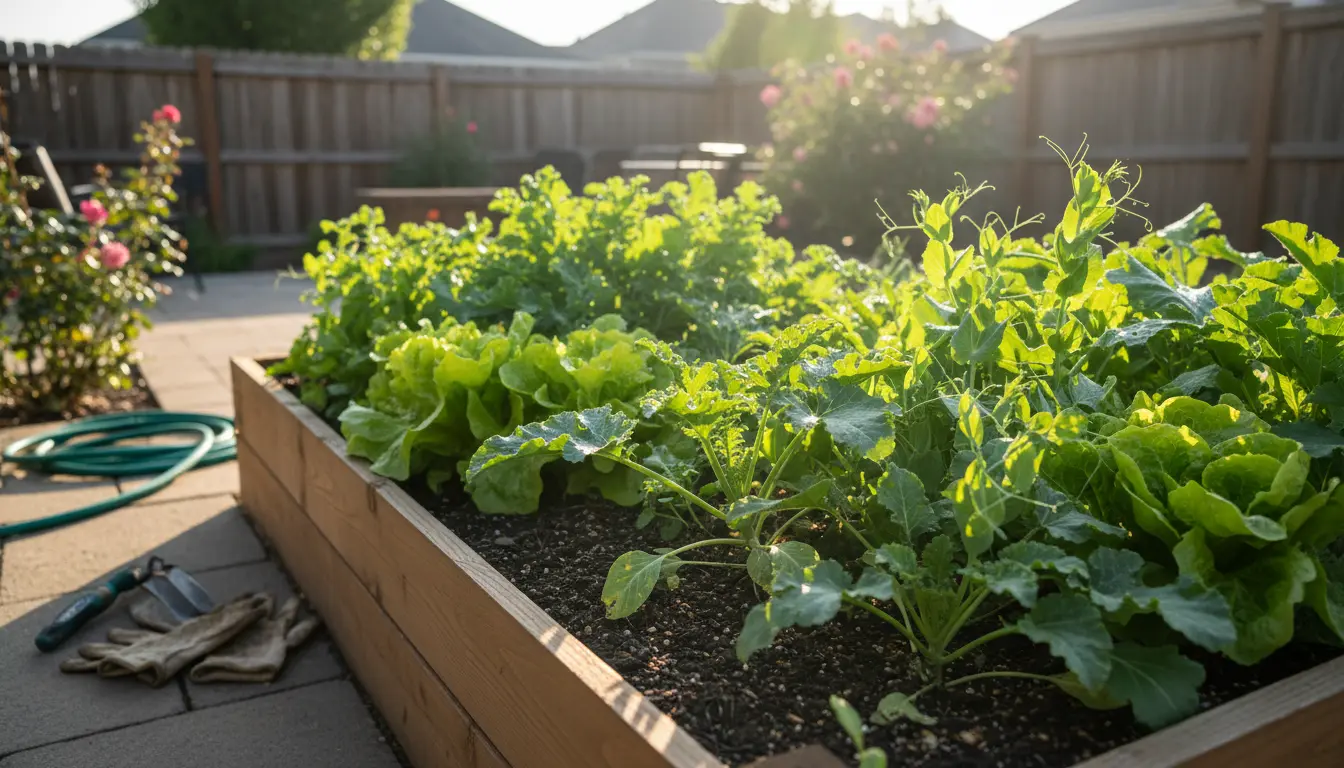
How to Start a Vegetable Garden: First Steps
Starting a vegetable garden begins with a simple plan. Decide what you want to grow and check how much time you can commit each week.
Keep your goals realistic: a few containers or a single raised bed is better than an overambitious plot you cannot maintain.
Choose a Site to Start a Vegetable Garden
Sunlight is the most important factor. Most vegetables need at least six hours of direct sun per day, with tomatoes, peppers, and cucurbits preferring eight hours.
Pick a spot with good drainage and easy access to water. Avoid low, soggy areas and places shaded by large trees.
Start a Vegetable Garden: Consider Access and Layout
Locate the garden near your kitchen or a path you use often to encourage frequent care. Consider a compact layout to reduce time spent weeding and watering.
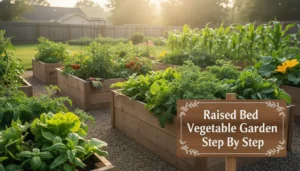
Common layout options include raised beds, in-ground rows, and container gardens. Choose one that fits your space and budget.
Prepare Soil When You Start a Vegetable Garden
Healthy soil equals healthy vegetables. Test the soil pH and nutrient levels with a simple kit or a local extension service.
Most vegetables thrive in slightly acidic to neutral soil (pH 6.0 to 7.0). Amend heavy clay with organic matter and improve sandy soil by adding compost.
Soil Preparation Steps
- Clear weeds and debris from the area.
- Loosen the soil to a depth of 8–12 inches for roots to establish.
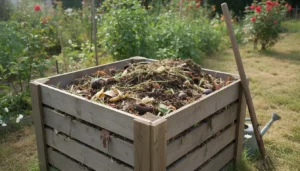
- Work in 2–4 inches of compost or well-rotted manure to boost fertility.
Choose What to Plant in Your Vegetable Garden
Begin with easy, high-reward crops. Leafy greens, radishes, bush beans, and cherry tomatoes are forgiving for new gardeners.
Plan for succession planting to maximize harvests: sow greens every 2–3 weeks for a steady supply.
Planting Calendar Tips
Check your local frost dates and group crops by maturity time. Cool-season crops like lettuce and peas go in early spring or fall, while warm-season crops like tomatoes go in after last frost.
Watering and Fertilizing Your Vegetable Garden
Consistent moisture encourages steady growth. Aim to give most vegetables 1–1.5 inches of water per week, adjusting for rainfall and soil type.
Use a soaker hose or drip irrigation to deliver water at the root zone and reduce foliage wetness that can encourage disease.
Fertilizer Guidelines for a New Vegetable Garden
Start with a balanced fertilizer or a low-dose organic feed when plants are established. Too much nitrogen early can produce lush leaves at the expense of fruits.
Reapply compost or a slow-release organic fertilizer mid-season for long-maturing crops.
Basic Maintenance to Keep Your Vegetable Garden Productive
Regular tasks keep problems small. Spend a short time each week weeding, checking for pests, and harvesting ripe produce.
Mulch around plants with straw, grass clippings, or shredded leaves to conserve moisture and reduce weeds.
Pest and Disease Management
- Inspect plants weekly and remove affected leaves promptly.
- Use row covers to protect young plants from insects.
- Encourage beneficial insects by planting a few flowers nearby, such as marigolds or alyssum.
Harvesting and Storing from Your Vegetable Garden
Harvest frequently to encourage more production—picking beans and zucchinis when young yields more overall. Store vegetables according to their needs: root crops in cool, humid conditions and tomatoes at room temperature.
Keep records of planting dates and yields to improve next season’s planning.
Many common vegetables, like lettuce and radishes, can be grown from seed in just 4–6 weeks. Quick crops let beginners see fast rewards and build confidence.
Small Real-World Example: A 10×10 Raised Bed Case Study
Maria, a first-time gardener, started a 10×10 raised bed in her backyard. She tested the soil, added compost, and planted a mix of tomatoes, lettuce, bush beans, and carrots.
By planting in blocks and using a drip line, she limited her weekly maintenance to an hour. Her first-season yield included continuous salad greens and enough tomatoes for fresh eating and canning.
Lessons from the Case Study
- Start small and expand after a season of experience.
- Choose a mix of quick and long-season crops to maintain steady harvests.
- Simple irrigation and mulch greatly reduced watering time and weed growth.
Common Mistakes and Quick Fixes When You Start a Vegetable Garden
Overwatering and overplanting are the two most common mistakes. Both stress plants and invite disease.
Fix them by spacing plants according to seed packet directions and letting the top inch of soil dry between deep waterings.
Final Tips for New Gardeners
Keep a small journal with planting dates, varieties, and problems observed. This record will speed your learning curve each season.
Start with a few reliable varieties and expand as you gain confidence. Regular, small efforts deliver better results than occasional large tasks.
With basic planning and weekly care, anyone can start a vegetable garden that provides fresh produce and gardening satisfaction. Begin small, learn each season, and enjoy the process.