
Why start a vegetable garden
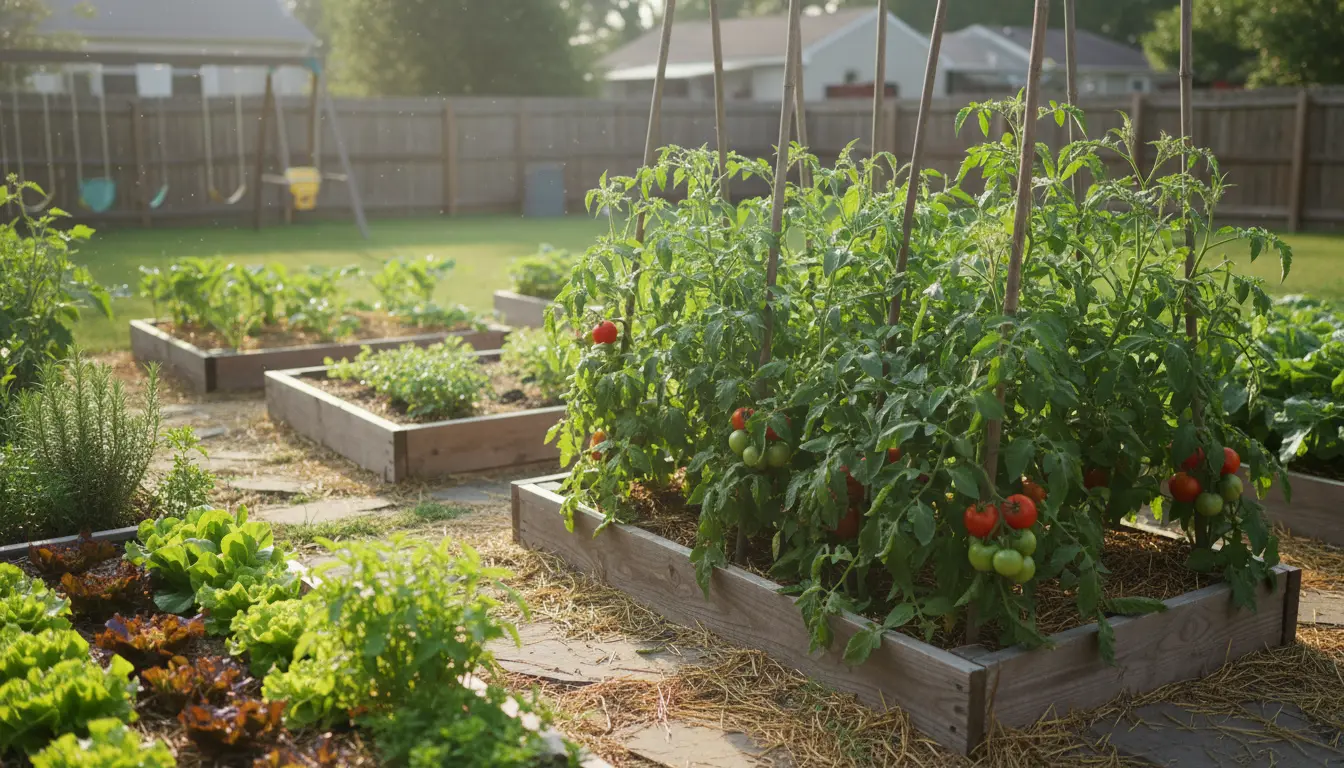
Growing your own vegetables saves money, improves food quality, and gives you more control over what you eat. Small spaces and limited time are not barriers — even a few containers can produce fresh food.
This guide explains how to start a vegetable garden with clear, practical steps you can follow this season.
Choose the right location to start a vegetable garden
Sunlight is the most important factor. Most vegetables need at least 6 hours of direct sun each day.
Look for a spot with good drainage, easy access to water, and protection from strong winds.
What to check before planting
- Sun exposure: Track sunlight for a day or two at different times.
- Soil slope and drainage: Avoid low spots that collect water.
- Access: Keep tools and a water source within a short walk.
Prepare soil and containers
Healthy soil drives plant health. If you have garden beds, test and amend the soil. For small spaces, use raised beds or containers with good potting mix.

Basic steps include removing weeds, loosening compacted soil, and adding organic matter like compost.
Soil checklist
- pH: Most vegetables prefer pH 6.0–7.0.
- Texture: Loamy soil holds moisture and drains well.
- Fertility: Add compost or a balanced slow-release fertilizer before planting.
Select plants and plan layout
Choose vegetables suited to your climate, season, and skill level. Beginners should start with forgiving crops such as lettuce, radishes, green beans, tomatoes, and herbs.
Plan spacing so plants have room to grow and air can circulate — this reduces disease risk.
Easy starter plants
- Lettuce and spinach — quick and suited to containers.
- Radishes — fast harvest, great for learning.
- Tomatoes — productive in a sunny spot with support.
- Beans — fix nitrogen and yield well in small beds.
Planting: seeds vs. seedlings
Seeds are cheaper and offer more variety, but seedlings (transplants) give a head start and are easier for beginners. Read seed packets for depth and spacing instructions.
Start seeds indoors if your region has a short growing season, or buy healthy transplants from a trusted nursery.
Watering and basic care
Consistent watering is critical. Most vegetables need about 1 inch of water per week, more in hot weather. Water deeply at the base to encourage strong roots.
Mulch around plants to retain moisture, suppress weeds, and moderate soil temperature.
Watering tips
- Morning watering reduces evaporation and disease risk.
- Use soaker hoses or drip irrigation for efficiency.
- Check soil moisture by feeling 2–3 inches below the surface.
Monitor pests and diseases
Early detection makes control much easier. Inspect leaves and stems regularly and remove affected parts promptly. Encourage beneficial insects like ladybugs and lacewings.
Use physical barriers (row covers), hand-picking, or organic treatments such as insecticidal soap for common pests.
Simple pest control steps
- Identify the pest or disease accurately.
- Choose the least toxic control first.
- Rotate crops each year to reduce soil-borne problems.
Companion planting can reduce pests and boost yields. For example, planting marigolds near tomatoes can deter nematodes and some insect pests.
Harvesting and extending your season
Harvest vegetables at their peak. Regular picking often encourages more production. Leafy greens can be cut-and-come-again, while root crops are ready when they reach size on the packet.
Extend the season with row covers, cold frames, or moving containers indoors during cold snaps.
Simple maintenance schedule
- Weekly: Water check, weed pull, and quick pest inspection.
- Monthly: Add compost or mulch as needed, prune and stake plants.
- End of season: Remove spent plants, compost healthy plant material, and plan crop rotation.
Case study: Small backyard success
Maria, a busy homeowner, converted a 10 x 10 foot patch into a raised bed garden. She chose three tomato plants, two pepper plants, and staggered lettuce and radish plantings.
She used store-bought compost and a drip hose on a timer. Within three months she harvested fresh salad greens twice a week and several dozen tomatoes. Her simple routine took about 20 minutes twice a week.
Key wins: correct sun placement, consistent watering, and starting with easy crops.
Quick checklist to start a vegetable garden
- Pick a sunny, well-drained spot.
- Test and amend soil; use containers if needed.
- Choose easy vegetables for your climate.
- Plant at the right time and water consistently.
- Monitor pests and harvest regularly.
Starting a vegetable garden is a step-by-step process. With basic planning, a small time investment, and routine care, you can grow reliable, healthy food at home.