
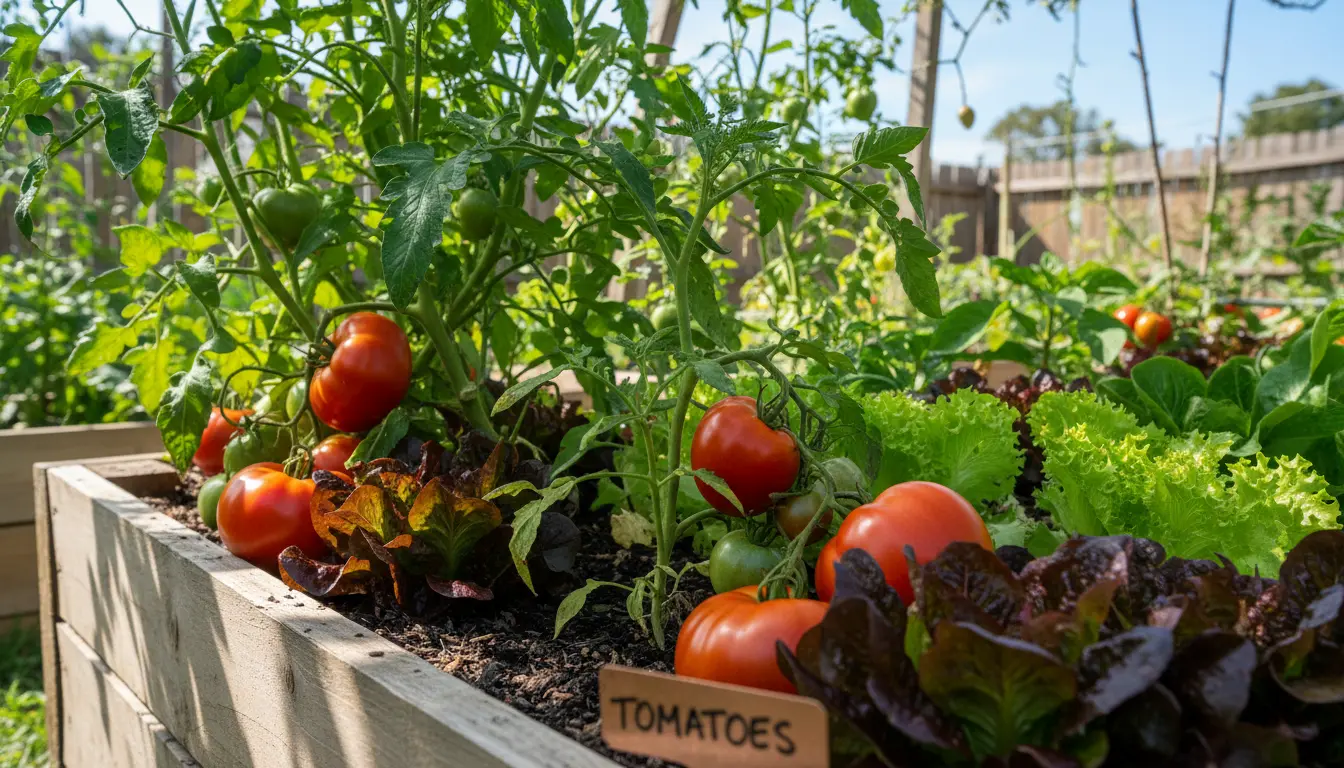
How to Start a Vegetable Garden: First Steps
Starting a vegetable garden begins with planning. Decide what you want to grow, how much space you have, and how much time you can commit each week.
Choose easy crops for beginners like lettuce, radishes, cherry tomatoes, and bush beans. These crops establish success and teach basic garden rhythms.
Choose the Right Site for Your Garden
Site selection is one of the most important steps when learning how to start a vegetable garden. Look for a spot that gets at least 6 hours of sunlight daily for most vegetables.
Consider water access, drainage, and proximity to your kitchen. Closer gardens are more likely to be tended regularly.
Sun, Soil, and Space
- Sun: 6–8 hours of direct sun for fruiting crops.
- Soil: Loose, well-draining soil with organic matter.
- Space: Plan paths and bed widths for easy access.
Prepare Soil: The Foundation
Good soil is the foundation of a productive garden. Test the soil pH and structure before planting, or start with quality garden mix if using raised beds.
Amend heavy clay or sandy soils with compost and aged manure to improve texture and nutrients.
Simple Soil Prep Steps
- Clear weeds and grass from the chosen area.
- Loosen the top 6–12 inches with a fork or tiller.
- Work in 2–3 inches of compost and a balanced slow-release organic fertilizer if needed.
Decide Between Seeds and Seedlings
Seeds are cheaper and offer many varieties. Seedlings (transplants) give faster results and are ideal for warm-season crops like tomatoes and peppers.
Follow seed packet instructions for planting depth and spacing. For seedlings, gently loosen roots and plant at the same depth they grew in their pots.
Starter Crop Suggestions
- Cool-season: Lettuce, spinach, peas, radishes.
- Warm-season: Tomatoes, peppers, cucumbers, beans.
- Herbs: Basil, parsley, chives for easy maintenance.
Watering and Mulching

Consistent watering matters more than frequent shallow watering. Aim for deep, infrequent watering to encourage strong roots.
Mulch with straw, wood chips, or compost to retain moisture and suppress weeds. A 2–3 inch layer is usually enough for most beds.
Watering Tips
- Water early in the morning to reduce evaporation and disease risk.
- Use drip irrigation or soaker hoses for efficiency.
- Check soil moisture by digging down an inch or two; water if it feels dry.
Pest and Disease Management
Preventive practices work best when learning how to start a vegetable garden. Rotate crops, choose resistant varieties, and keep beds clean of debris.
Use physical barriers like row covers for young plants and handpick larger pests like caterpillars and slugs.
Organic Control Options
- Neem oil or insecticidal soap for soft-bodied insects.
- Companion planting (e.g., marigolds near tomatoes) to deter pests.
- Beneficial insects like ladybugs and lacewings to control aphids.
Harvesting and Ongoing Care
Harvest regularly to encourage continued production. Harvest leafy greens when young and tender, and pick beans frequently to promote more pods.
Feed the garden with compost tea or side-dressings of compost during the season for heavy feeders like tomatoes.
Simple Maintenance Checklist
- Weekly: Check moisture, remove weeds, scan for pests.
- Monthly: Add compost, prune as needed, stake tall plants.
- Season end: Clean beds, collect seeds if saving, rotate crops next year.
Adding just 1–2 inches of compost each year can dramatically improve soil structure and crop yields by increasing water retention and nutrient content.
Small Real-World Case Study
Case: A suburban beginner turned a 4-by-8-foot raised bed into a productive plot in the first season. They planted lettuce, cherry tomatoes, bush beans, and basil.
Results: Weekly harvesting of salad greens for two months, 8–12 pints of cherry tomatoes mid-summer, and continuous basil harvest. Minimal pest issues after using row covers early on.
Takeaway: Small, well-managed beds can supply a household with fresh produce and teach key skills quickly.
Common Mistakes to Avoid
- Planting too many varieties at once—start small and expand.
- Overwatering young plants; this causes weak roots and disease.
- Ignoring soil tests—nutrient imbalances limit yields.
Final Checklist: How to Start a Vegetable Garden
- Pick a sunny site and test the soil.
- Build or prepare beds, add compost.
- Choose easy crops and decide seeds vs seedlings.
- Set up watering and mulch to conserve moisture.
- Monitor, harvest, and record what works for next season.
Starting a vegetable garden is practical and rewarding. With proper site choice, good soil, and simple maintenance routines, even small spaces can produce a steady supply of fresh vegetables.